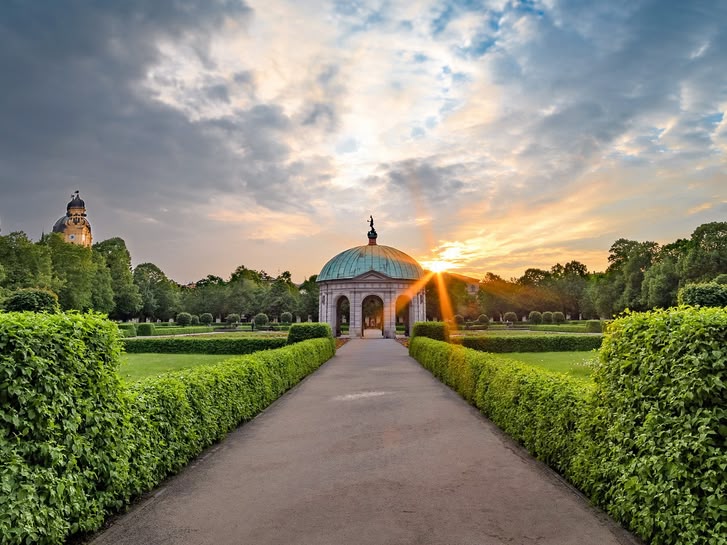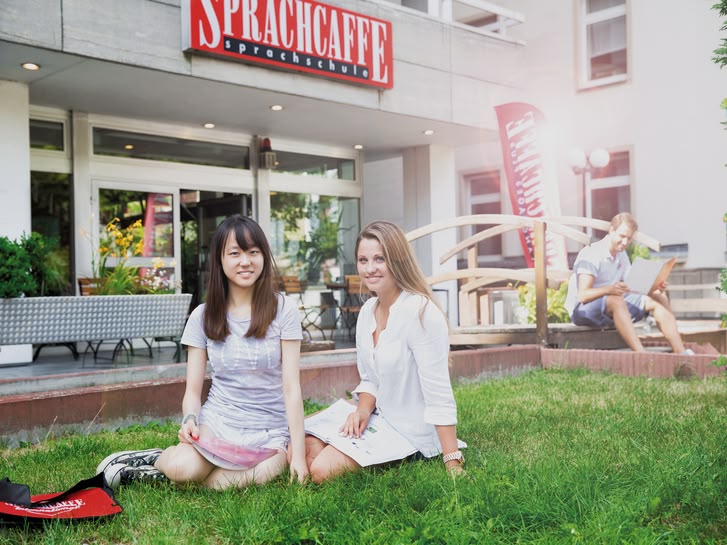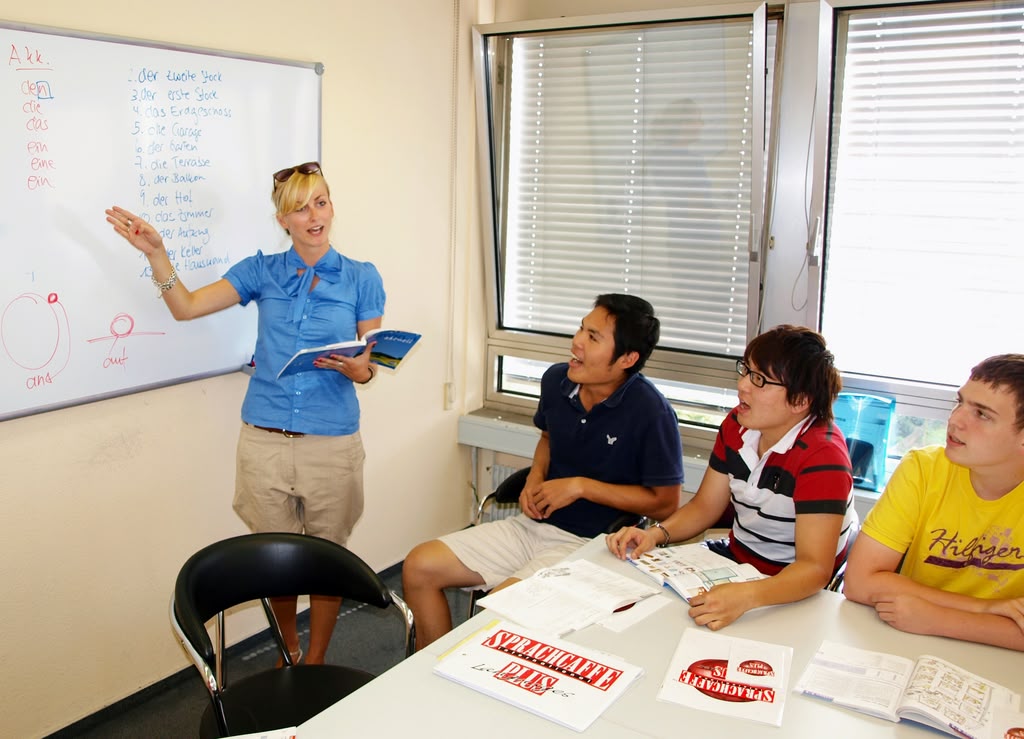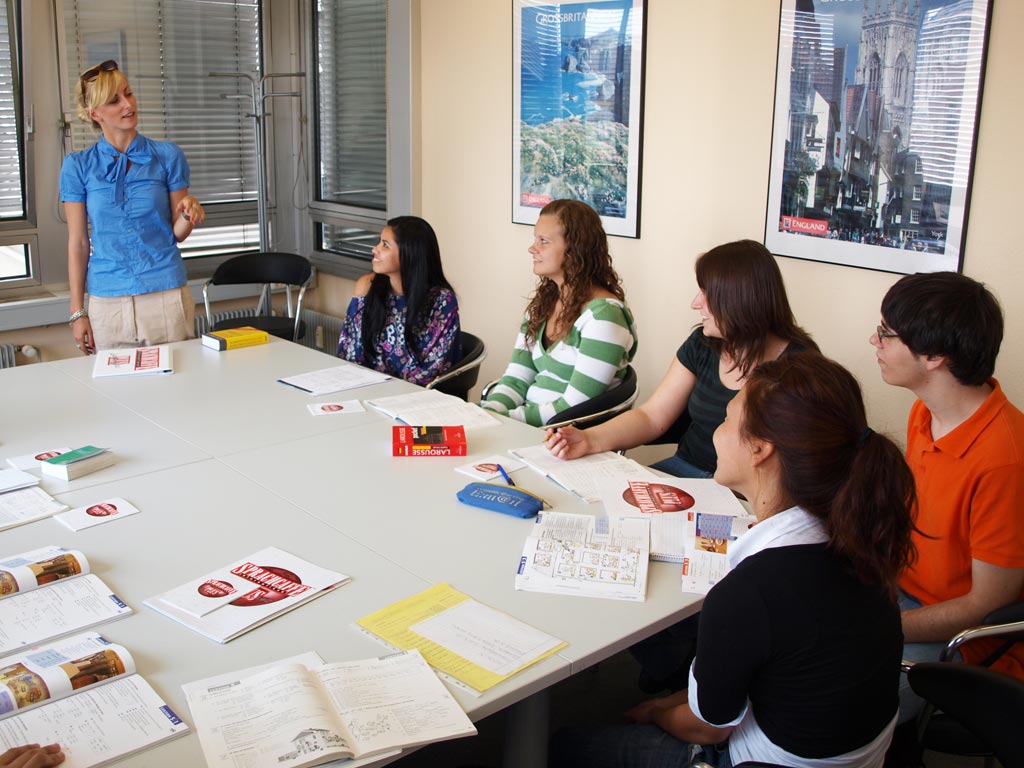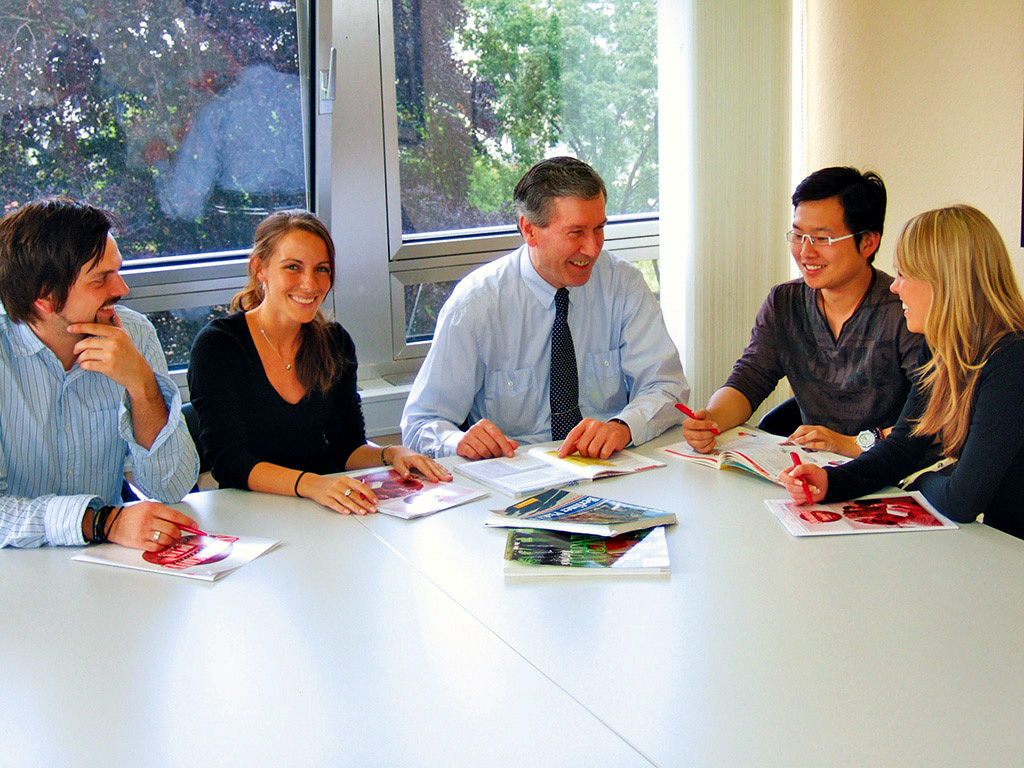
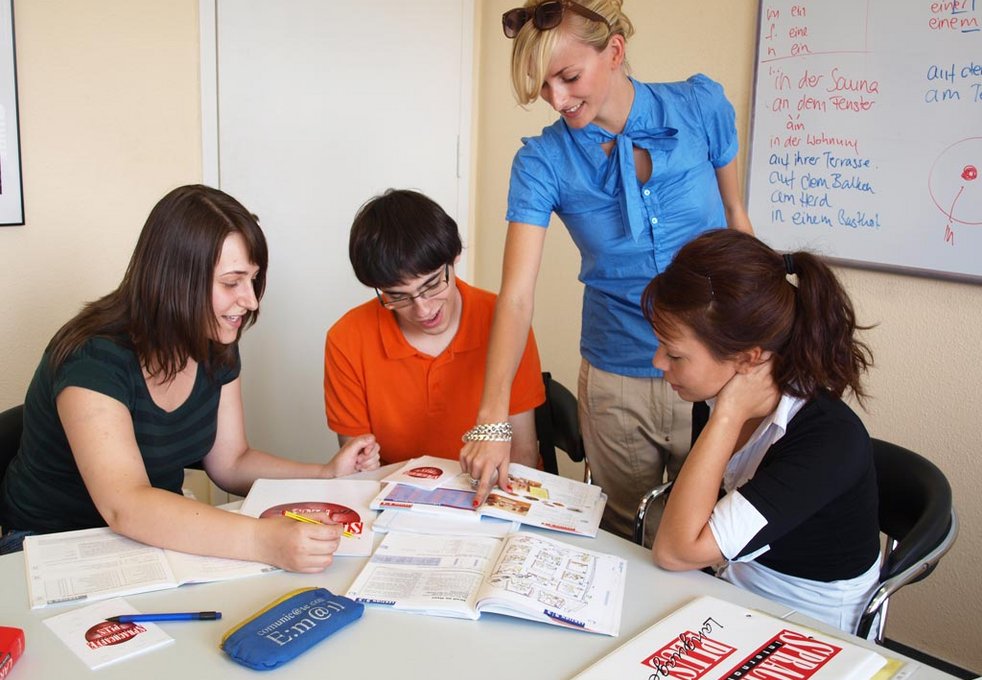
Picture yourself ordering breakfast in fluent German at a café, then walking to class with classmates from a dozen different countries.
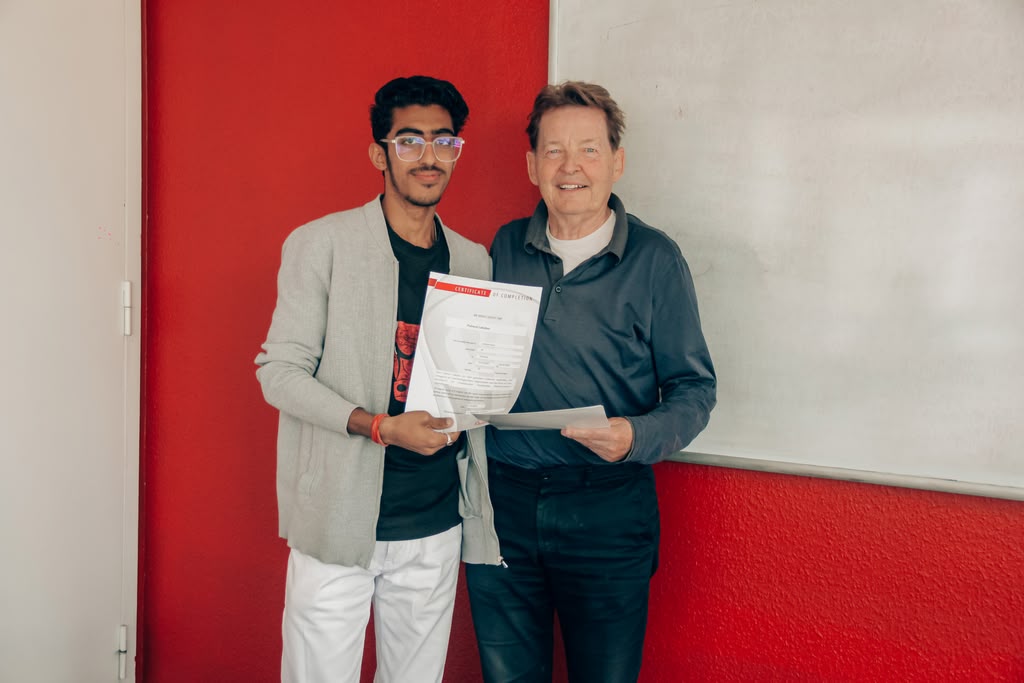
Founded in 1983, SPRACHCAFFE offers accredited adult German courses (A1–C1) in Frankfurt and Munich with small classes and flexible intensities. Every enrollment includes placement testing, an official certificate, and nearby apartment or homestay accommodation.
Germany is the most important non-English-speaking study destination in the world: more than 400,000 international students were enrolled at German universities according to the DAAD
Whether you're investing in your career, preparing for university admission, or rediscovering a passion, learning German in Germany combines structured instruction with daily real-world practice.
Adults