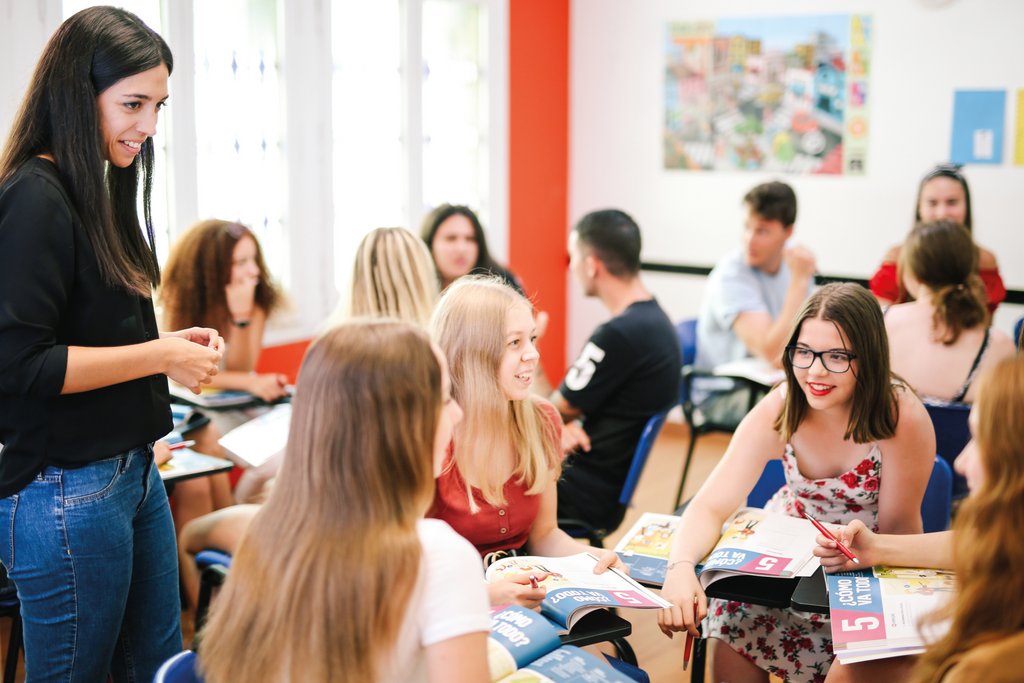
At SPRACHCAFFE, you can learn Spanish in Spain's most captivating cities.
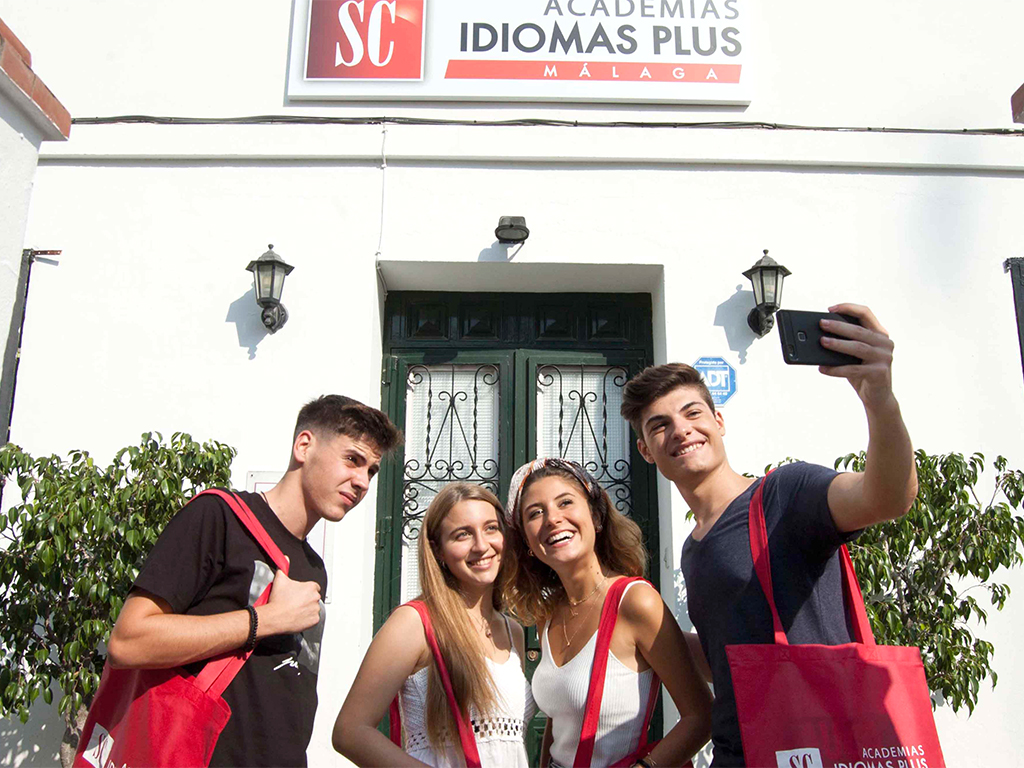
Málaga - our year-round school on Andalusia's Costa del Sol - sits in a charming Andalusian villa in Pedregalejo, a short walk from the beach. The school holds Instituto Cervantes accreditation (the official Spanish-government quality seal for Spanish-language teaching) and welcomes around 120 international students in peak season. Málaga is the birthplace of Pablo Picasso, capital of the Costa del Sol, and Spain's sixth-largest city. With over 300 days of sunshine a year, year-round average temperatures around 19°C, and authentic Andalusian seafood, it's one of Europe's most rewarding study destinations.
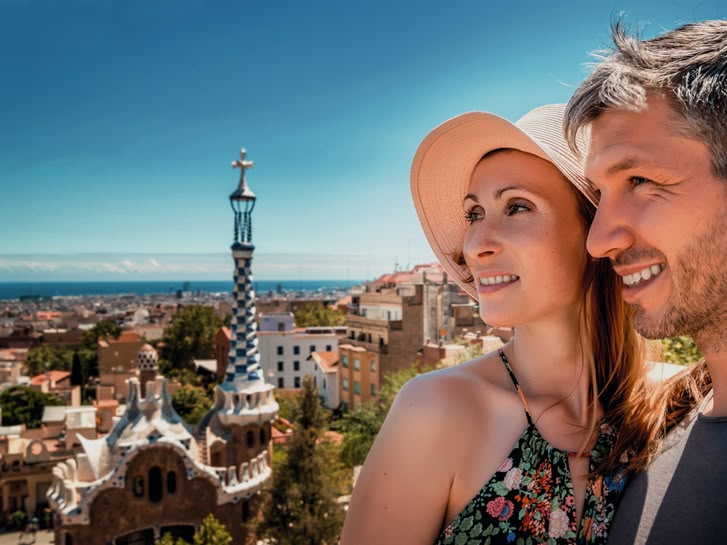
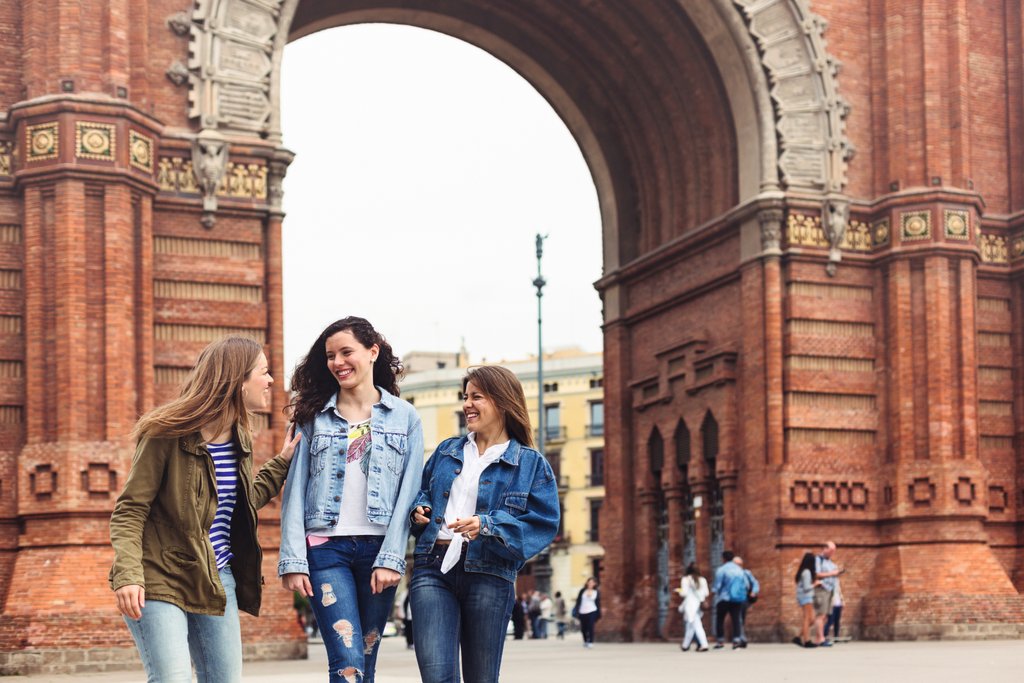
Barcelona - Catalonia's capital and Spain's second-largest city - offers a different energy entirely. Our school of around 90 students sits in the heart of one of Europe's most creative cities, surrounded by Gaudí's architecture (the Sagrada Família, Park Güell, and Casa Batlló are all UNESCO World Heritage Sites), Mediterranean beaches, and a year-round cultural scene. Spanish is the working language of the classroom and of business across Catalonia; Catalan is the regional co-official language, so you'll hear both daily - useful immersion exposure with no impact on your Spanish progression.
Both cities are easy to reach: Málaga-Costa del Sol Airport is one of Spain's busiest, and Barcelona-El Prat is the country's second-largest. Accommodation options include host families (deepest cultural immersion), shared apartments with international flatmates, and - in Barcelona - a modern on-site residence with shared kitchens and a terrace.