Arabic is spoken by over 400 million people across 22 countries. Beyond the numbers, it carries immense weight in history, science, and global trade. At SPRACHCAFFE, we treat learning Arabic as more than a memory exercise. It’s a practical tool for navigating everything from high-level diplomacy to a casual conversation in a Moroccan cafe.
Global Language
It is one of the six official languages of the United Nations, making it a major force in global diplomacy.
Cultural & Travel
Being able to read signs and speak with locals transforms a trip from a surface-level tour into a real experience.
Career & Salary
In Western job markets, Arabic is one of the most in-demand languages, yet it's also among the least available, which can give fluent speakers a significant edge.
Access to Knowledge
Most top universities, academic research, professional resources are available in Arabic
Explore Arabic destinations

Accent is key
You can have a perfect grasp of grammar, but in Arabic, your accent is what actually opens doors. It’s the difference between sounding like a textbook and sounding like a guest. A clear accent isn't about achieving perfection—it’s about removing the friction in a conversation so your ideas can shine.
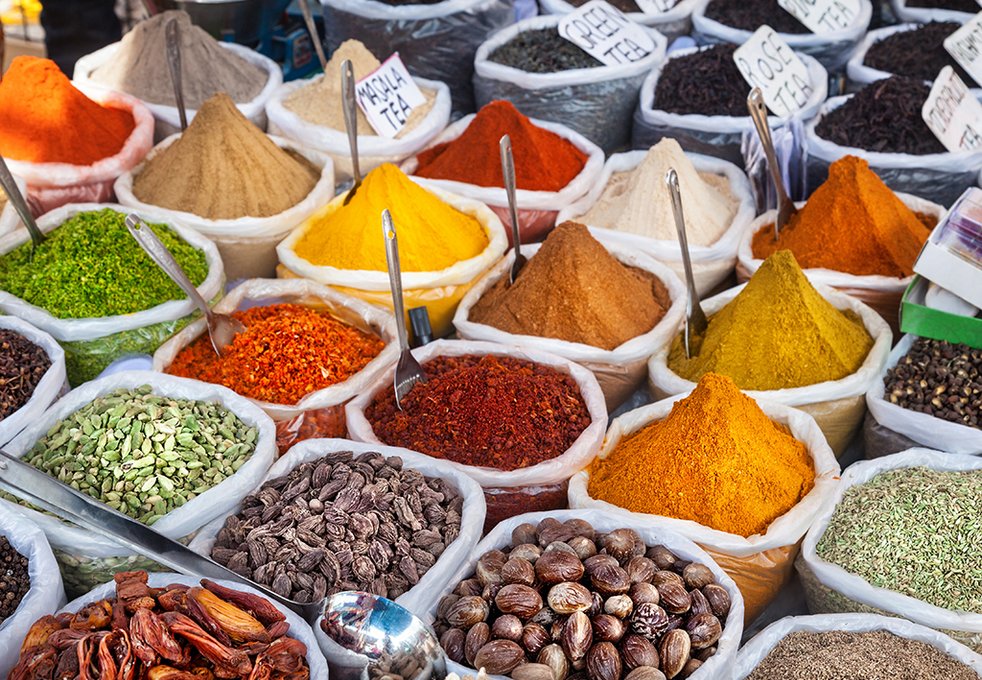
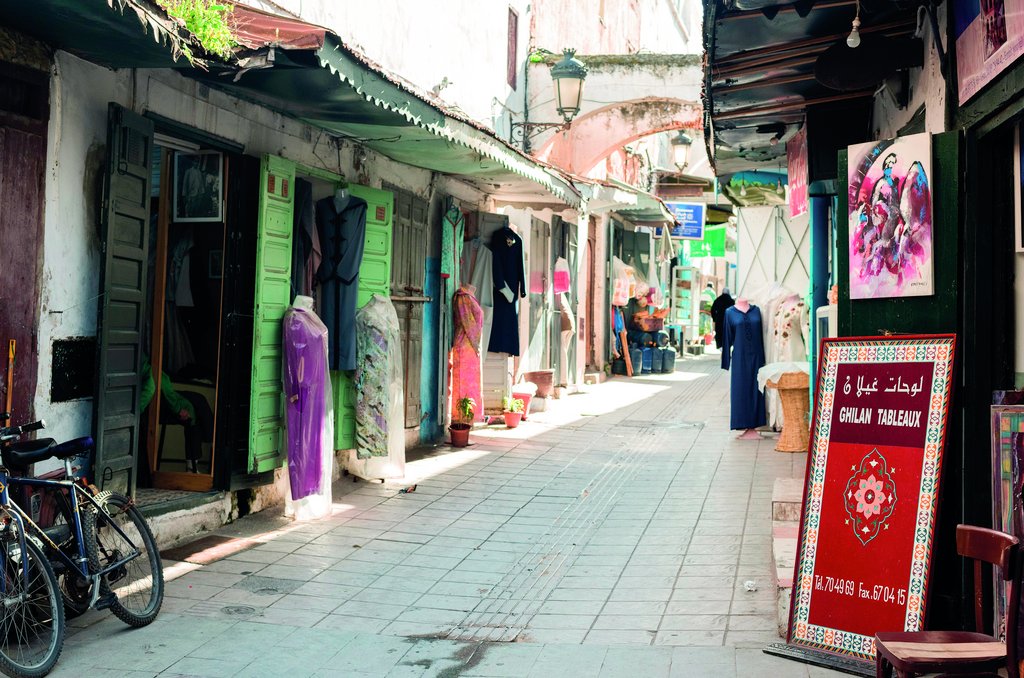
Whether you’re haggling for a better price in a crowded market, explaining a project to a new colleague, or simply trying to order coffee without a confused look from the barista, your accent is what makes the interaction click.
Understanding the Structure Behind Learning Arabic
Learning Arabic might seem like a big challenge at first, but underneath, it's actually a beautifully organised system. The Foreign Service Institute considers it a Category IV language-expecting around 2,200 hours to reach professional proficiency- which shows how rich and intricate the language is.
The transition to a right-to-left script is the first major milestone. While the 28-letter alphabet looks intricate, it is strictly phonetic. Once you master the characters, you can pronounce almost any word you see!.
In our programmes at SPRACHCAFFE, we guide you through these structures step by step. Short lessons help you stay focused, and practising regularly can boost your confidence.
Arabic speaking countires
| Country | Region | Status | Native Speakers (Approx.) |
|---|---|---|---|
| Egypt | North Africa | Official | ~110 million |
| Sudan | North / East Africa | Official | ~45 million |
| Algeria | North Africa | Official (with Tamazight) | ~44 million |
| Iraq | Middle East | Official (with Kurdish) | ~43 million |
| Morocco | North Africa | Official (with Amazigh) | ~37 million |
| Saudi Arabia | Arabian Peninsula | Official | ~36 million |
| Yemen | Arabian Peninsula | Official | ~34 million |
| Syria | Levant | Official | ~22 million |
| Somalia | Horn of Africa | Official (with Somali) | ~18 million |
| Tunisia | North Africa | Official | ~12 million |
Choosing the Right Arabic Courses for Your Goals
Not all Arabic dialects follow the same path: Modern Standard Arabic (MSA) is used in media, literature, and diplomacy, while Classical Arabic is used for ancient and religious texts. However, for casual conversations or markets, spoken dialects like Egyptian or Levantine are what you'll hear in the streets.
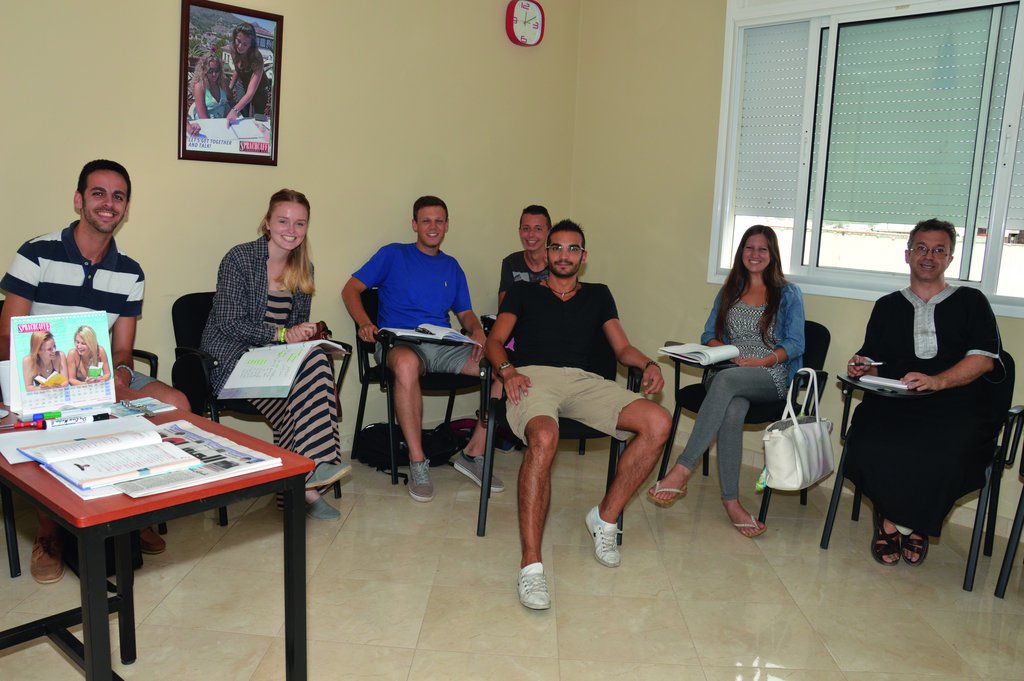
At SPRACHCAFFE, we create structured pathways that balance reading, listening, writing and speaking. Small group settings allow personal attention. We maintain a calm and supportive learning environment. This reduces overwhelm and builds steady progress.
Daily Practice and Confidence in Learning Arabic
Consistency matters more than intensity. Research in language acquisition shows that short daily sessions improve long-term retention. Fifteen to thirty minutes each day can make a visible difference.
Learning Arabic becomes easier when you integrate it into daily routines. You might label household objects. You might listen to Arabic podcasts during a walk. You might practise greetings with classmates. These small actions build familiarity. We encourage microlearning. We encourage repetition. Most importantly, we encourage real communication. Confidence grows when you successfully use new words in simple, real situations. Over time, this transforms into natural expression.
Flexible Arabic Courses for Adults and Families
Modern learners appreciate flexibility. Today, Arabic courses may combine classroom instruction with digital tools. Online resources support revision. Real teachers provide feedback and reassurance.
Parents often prioritise safety and structure. Adults value independence and measurable progress. We understand both perspectives. Our programmes provide supervision where needed and autonomy where appropriate. With SPRACHCAFFE, you experience structured guidance without pressure. You receive placement assessments and certificates upon completion. Clear milestones support motivation. Progress becomes visible and encouraging. When you choose reliable Arabic courses, you also choose consistency, quality teaching and recognised standards. This brings peace of mind to families and adult learners alike.
Benefits for Students:
- Strong literacy skills through structured script learning
- Clear pronunciation using phonetic principles
- Cultural awareness across 22 Arabic-speaking countries
- Improved cognitive flexibility through root-pattern system
- Confidence in real conversations
- Independence through step-by-step guidance
- Recognised certification and measurable progress
Discover all options to learn Arabic abroad

Find out more
Arabic is challenging for English speakers due to its script and sounds, but it's logical and structured. Once you learn the alphabet and patterns, it clears up. With guidance and practice, you gain confidence and soon form simple sentences and understand daily expressions.
The time to learn depends on goals and consistency. Fluency needs extensive study, but conversational skills develop sooner. With regular lessons and daily exposure, many reach a comfortable speaking level in a year. Small daily practice sessions greatly help over time.
Modern Standard Arabic is used in media, books, and formal communication, while dialects are used in daily speech. Your choice depends on your purpose. For academic, professional, or international contexts, Modern Standard Arabic is recommended. For travel or family, dialects may help. A structured programme can guide your choice.
A balanced programme includes reading, writing, listening and speaking. The Arabic alphabet is introduced gradually. Once you recognise the letters, reading becomes much easier. Writing supports memory and strengthens understanding. Speaking practice builds confidence and fluency.
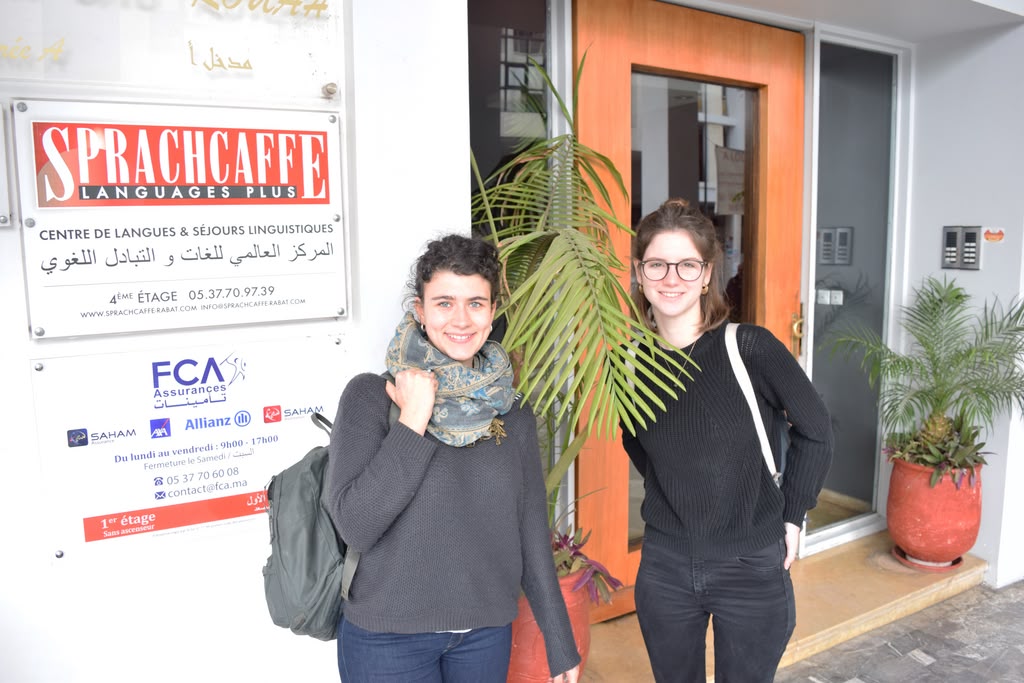
Learning Arabic in Morocco allows you to experience the language in real daily situations. You hear Arabic in markets, cafés and cultural spaces. This natural exposure strengthens listening skills and confidence in speaking. Morocco also offers insight into both Modern Standard Arabic and regional dialects. At the same time, you discover a rich cultural heritage shaped by Arab, Berber and Mediterranean influences. This combination of structured lessons and everyday practice creates meaningful and lasting progress.