Spanish is the world’s second most widely spoken native language, with hundreds of millions of speakers worldwide. It includes native speakers, those who use it as an additional language, and a rapidly growing number of learners—the fastest-expanding group in recent years.
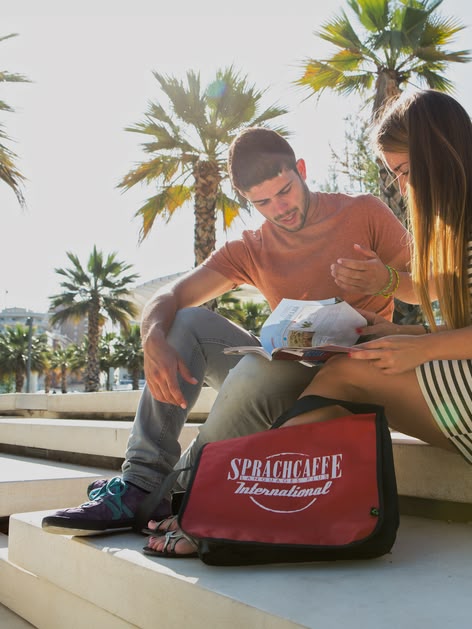
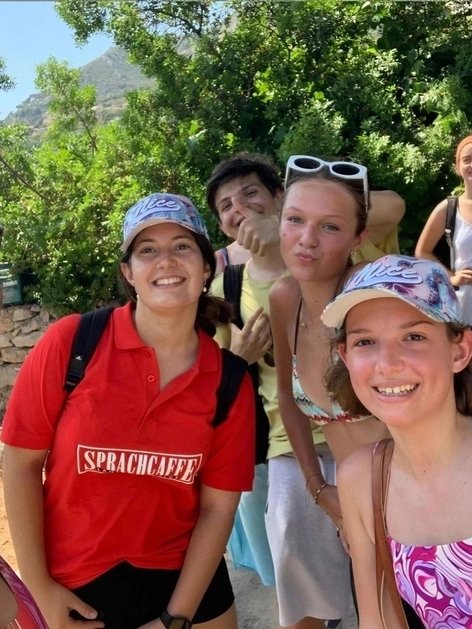
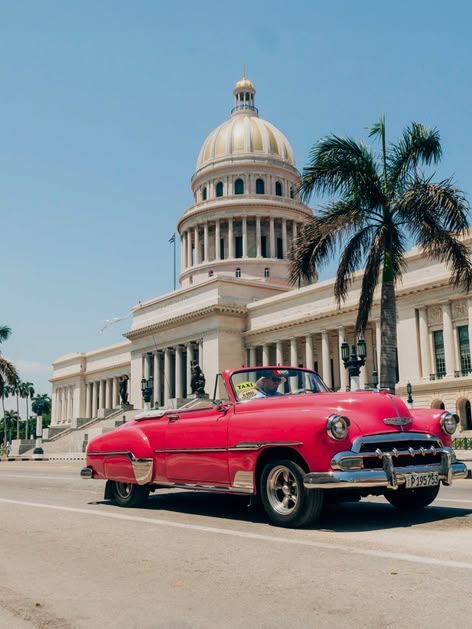
SPRACHCAFFE, founded in 1983, offers Spanish courses for adults (18+) and juniors (ages 13–18) at language schools in Spain (Barcelona and Málaga) and Cuba (Havana). All courses follow CEFR levels A1 to C1, with exam preparation available for the DELE (Diplomas de Español como Lengua Extranjera) and SIELE.
Spanish evolved from Vulgar Latin, brought to the Iberian Peninsula after the Roman conquest of 218 BC. The Real Academia Española (RAE) has standardised the language since 1713. Together with ASALE - 23 national academies across the Spanish-speaking world - it maintains the dictionary, grammar, and orthography.
Spanish is the third most used language on the internet (W3Techs, 2025) and the second most used on social media after English. According to the Modern Language Association, it is also the most studied foreign language in the United States. Together, Spanish-speaking countries contribute roughly 6.3% of global GDP (Instituto Cervantes, 2024).
636 million Spanish speakers worldwide as of November 2025, comprising 519 million native speakers, 92 million who speak Spanish as a second or third language, and 25 million currently studying Spanish as a foreign language.
source: Instituto Cervantes, El Español en el Mundo
Accent is key
Spanish is famously phonetic: words are pronounced almost exactly as they are spelled. This makes it easy for English speakers to read aloud from the very first lesson. The Real Academia Española sets the written standard, but spoken Spanish varies substantially by region.
Three pronunciation features distinguish the major Spanish-speaking regions:
Seseo — pronouncing c (before e/i) and z the same as s. Standard across Latin America and southern Spain; produces "gracias" as "gra-see-as".
Distinción — pronouncing c/z as a soft th sound, distinct from s. Standard in most of central and northern Spain (Castilian Spanish).
Yeísmo — pronouncing ll and y identically. Standard across most of the Spanish-speaking world today, with notable exceptions in parts of Argentina (where ll is pronounced as "sh" or "zh").
Language schools teach neutral, internationally intelligible Spanish based on Castilian standards (in Spain) or Latin American standards (in courses based in Latin America). Both are mutually intelligible — the differences are comparable to those between British and American English.
Spanish is the third most-used language on the internet by content volume, after English and Mandarin Chinese, according to W3Techs language-of-content surveys.
source: W3Techs
Spanish speaking countries
Country / Region
Status
Native Speakers
Spain
Official language
~43 million
Mexico
Official language
~125 million
Colombia
Official language
~51 million
Argentina
Official language
~45 million
Peru
Official language
~30 million
Chile
Official language
~19 million
Ecuador
Official language
~17 million
Guatemala
Official language
~17 million
Cuba
Official language
~11 million
Bolivia
Official language (with indigenous languages)
~9 million
Recognised Spanish certifications
Three certifications are internationally recognised as proof of Spanish-language proficiency, each aligned with the Common European Framework of Reference for Languages (CEFR):
Certificate
Issuing Body
CEFR Levels
Main Use
DELE (Diplomas de Español como Lengua Extranjera)
Instituto Cervantes, on behalf of Spain's Ministry of Education
A1, A2, B1, B2, C1, C2
University admission in Spain and Latin America, public-sector employment, residency and naturalisation, professional qualification
SIELE (Servicio Internacional de Evaluación de la Lengua Española)
Joint consortium: Instituto Cervantes, Universidad Nacional Autónoma de México (UNAM), Universidad de Salamanca, Universidad de Buenos Aires
A1 to C1 (numerical 0-1000 scale)
International employment, university admission, fully digital exam available at over 1,000 test centres in more than 100 countries
DELE Escolar
Instituto Cervantes (junior version)
A1, A2/B1
Designed for students aged 11 to 17 in schools
Sources: Instituto Cervantes (cervantes.es), SIELE (siele.org).
SPRACHCAFFE offers DELE and SIELE exam preparation at its schools in Spain
The Real Academia Española (RAE) has standardised the Spanish language since its founding in 1713 by King Philip V of Spain. The RAE publishes the Diccionario de la lengua española (the authoritative Spanish dictionary), the Diccionario panhispánico de dudas, and the Nueva gramática de la lengua española - all considered the official references for written and grammatical standards.
source: rae.es
Step by Step learning
Learning Spanish works best as a daily rhythm: listen, speak, live. The U.S. Foreign Service Institute estimates around 600 to 750 classroom hours to reach professional working proficiency (CEFR B2-C1) - the lowest of any major language for English speakers. The pace at which you cover those hours is what determines fluency speed, and consistency outperforms intensity at every level.
Start with content you genuinely enjoy. The Instituto Cervantes reports that 25 million people are actively studying Spanish worldwide (2025), and the most effective home learners follow the same pattern: 15-20 minutes of daily Spanish input - a podcast, a YouTube channel, a playlist - before grammar drills enter the picture. Begin speaking before you feel ready: an online tutor, a Tandem partner, or a class. Three days ordering coffee in Madrid will teach you more than a month of solo study.
Build the Right Foundations
Focus on high-frequency vocabulary first. The most common 1,000 Spanish words cover roughly 85% of everyday conversation, according to corpus linguistics research. Spaced-repetition flashcards (Anki, Quizlet, Memrise) move these into long-term memory using the spacing effect documented in cognitive science (Ebbinghaus 1885; Karpicke & Roediger 2008).
Prioritise grammar essentials in this order:
Present tense conjugations of the 50 most-used verbs
Past tenses - preterite vs. imperfect (the distinction that gives most English speakers trouble)
Ser vs. estar (the two verbs meaning "to be")
Gendered nouns and adjective agreement
The subjunctive mood (introduced at CEFR B1)
Pronunciation improves fastest through shadowing (repeating audio in real time), recording yourself, and switching streaming subtitles to Spanish.
Tools Worth Using where home study hits its ceiling
Skill
Recommended tools
Immersive video
FluentU and Lingopie turn Spanish-language Netflix shows and YouTube videos into interactive lessons with clickable subtitles
Grammar through music
Lirica teaches grammar through Latin pop and reggaeton lyrics
Authentic news
News in Slow Spanish bridges classroom Spanish and native-speed broadcasts; BBC Mundo and RTVE Noticias for full-speed news
Speaking practice
Italki, Preply, and Verbling for live tutors; Langua for AI-driven conversation practice
Habit-building
Duolingo, Babbel, Busuu for daily streak-based practice
Spaced repetition
Anki, Quizlet, Memrise for vocabulary retention
Reference
WordReference for regional vocabulary and slang; SpanishDict for verb conjugations; Forvo for native pronunciations
All of these tools build a strong foundation - but research on second-language acquisition consistently shows that input plus output in real-world contexts (Krashen's input hypothesis combined with Swain's output hypothesis) accelerates fluency faster than input alone. SPRACHCAFFE offers structured Spanish immersion programmes in Barcelona, Málaga, and Havana, with CEFR-aligned courses from A1 to C1, exam preparation for the DELE (Instituto Cervantes) and SIELE, and average progression of one CEFR level every 8 to 12 weeks of intensive study.
The Instituto Cervantes is Spain's official public body for the promotion of Spanish-language teaching and Hispanic culture worldwide. Founded in 1991, it operates over 100 centres in more than 50 countries and is the issuing authority for the DELE diploma on behalf of Spain's Ministry of Education, Vocational Training, and Sports.
DELE is issued by the Instituto Cervantes on behalf of Spain's Ministry of Education, Vocational Training, and Sports. It covers all six CEFR levels (A1 to C2). DELE certificates are valid for life with no expiry date - they are official, internationally recognised qualifications for university admission, public-sector employment, and Spanish nationality applications.
If you're tired of looking at dull grammar tables, it's a great time to refresh your learning toolkit with some exciting ways to learn in 2026. For binge-watchers, apps like Lingopie and FluentU can be real game-changers - they turn streaming content into interactive lessons with clickable subtitles that instantly save new words.
You can also jump right into popular series available on streaming platforms. On Netflix, challenge yourself with the fast-paced thriller Berlin (the spin-off of Money Heist) or the high-school drama Elite to pick up modern slang. If you prefer a slower, more relaxed pace, Disney+ offers the beautiful daily drama Return to Las Sabinas, while Amazon Prime features the emotional and romantic hit Culpa Nuestra, perfect for expanding your vocabulary.
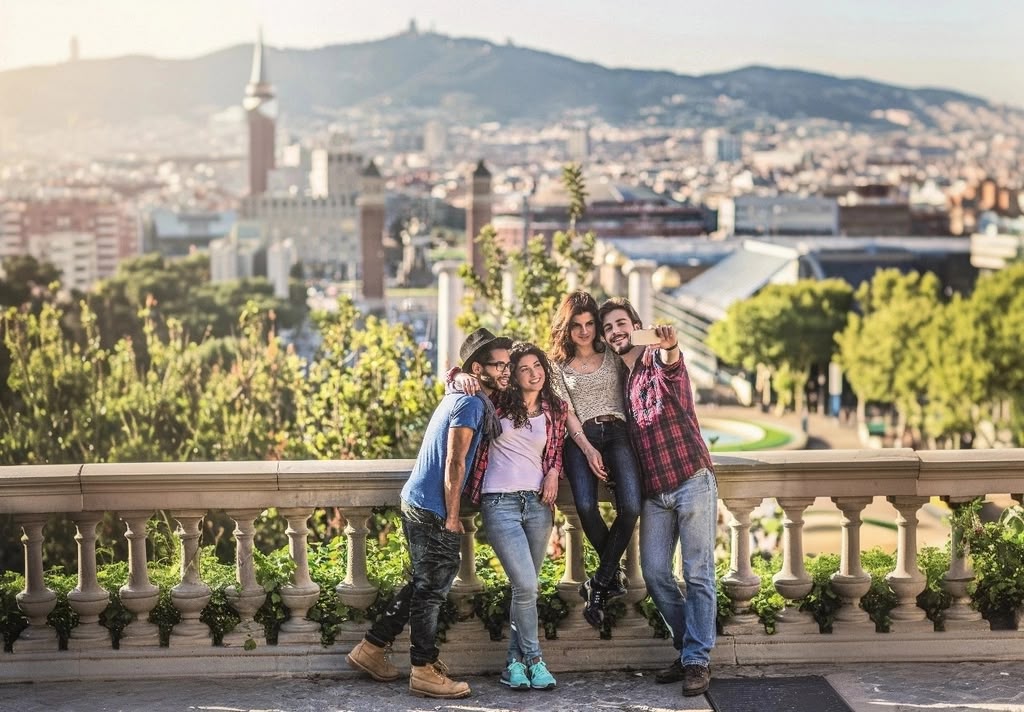
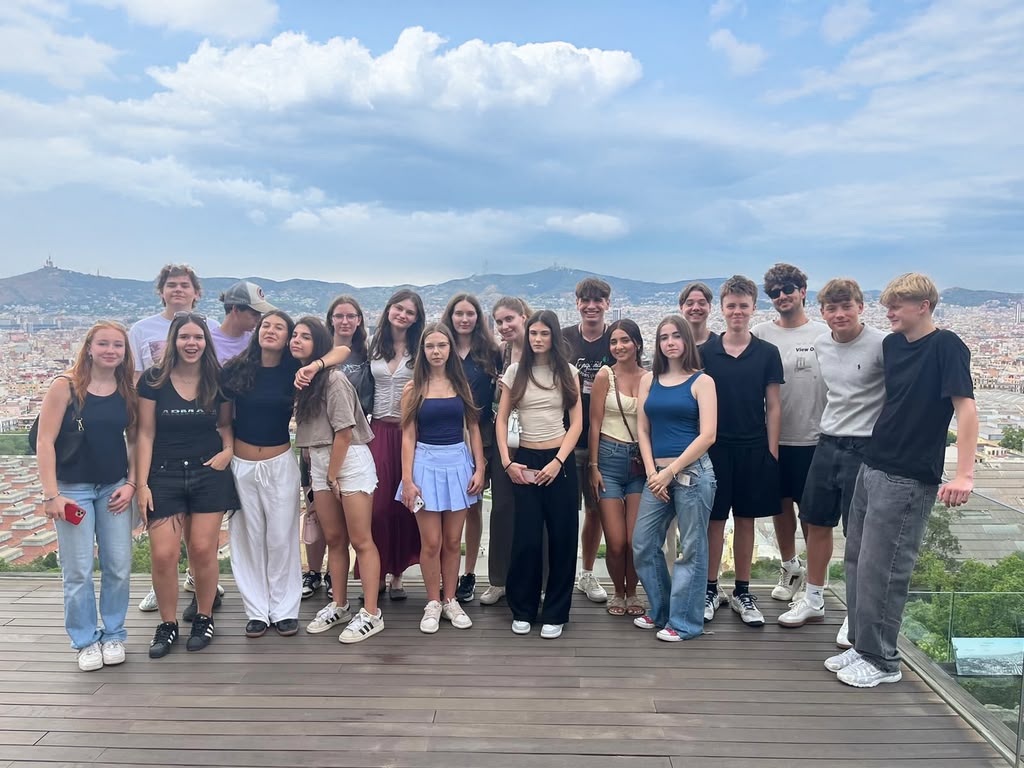
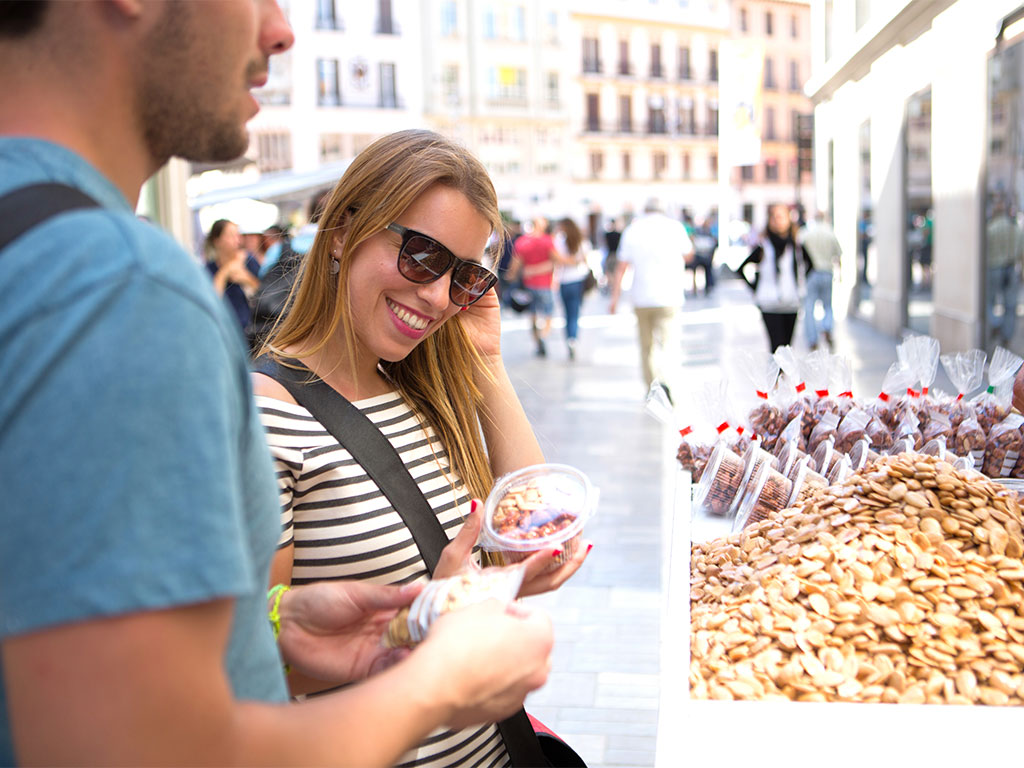
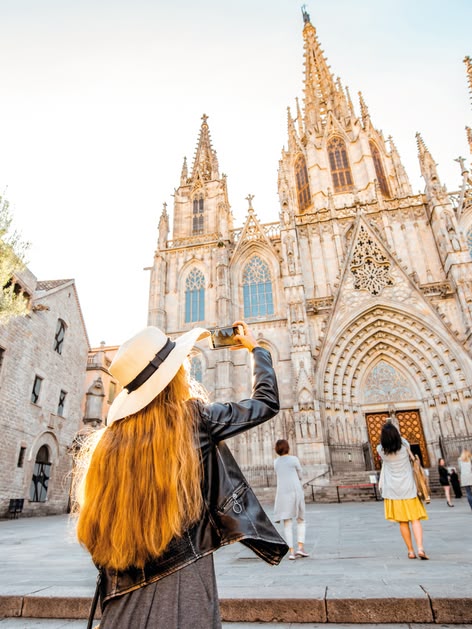
These everyday habits build a great foundation - but the most powerful immersion happens when you live the language instead of just watching it. That's where a course abroad takes things to the next level. At SPRACHCAFFE, our Spanish courses in Spain - in vibrant locations like Barcelona and Málaga- combine structured lessons with real-life contact in shops, cafés, and social activities. You'll practise Spanish naturally, meet people from all over the world, and feel supported every step of the way, so immersion feels exciting and reassuring rather than overwhelming.
Becoming conversational in Spanish usually takes three to six months with regular daily practice. At this stage, you can manage simple conversations, understand familiar topics, and express everyday needs. Reaching a confident conversational level around CEFR B1 often takes nine to twelve months, depending on consistency and exposure. Regular short practice supports progress better than occasional long study sessions.
No single app is the best for learning Spanish. Different tools meet different needs. Pimsleur is the top app for learning Spanish. It helps you build conversational skills fast with audio lessons. It focuses on speaking and listening from the start. It uses spaced repetition for better retention. Apps like Duolingo and Busuu help create daily routines and build basic vocabulary. SpanishDict supports grammar explanations and verb conjugations. Meanwhile, platforms like Preply focus on real speaking practice with tutors. Apps work best when combined with listening, speaking, and real communication.
Start with daily listening - 15-20 minutes of podcasts like SpanishPod101 or Español con Juan, or TV shows like La Casa de Papel or Club de Cuervos tunes your ear to natural rhythm. Follow with short speaking practice - narrate your day, repeat phrases, or find a partner on Tandem or Italki.
Focus on the 1,000 most common words first - they cover roughly 85% of everyday conversation. Use Anki or Quizlet for spaced repetition flashcards and long-term retention.
Keep grammar simple early. Apps like Duolingo or Babbel build daily habits, while graded readers like Lecturas Graduadas Anaya or Easy Spanish Reader put grammar in real context.
Most importantly - consistency beats intensity. Just 20-30 minutes daily with the right mix of Spotify Spanish playlists, reading, and real conversation builds steady, lasting fluency.
Spanish is one of the most accessible languages for English speakers. The U.S. Foreign Service Institute (FSI) classifies Spanish as a Category I language - its easiest category - and estimates approximately 600 to 750 classroom hours to reach professional working proficiency, equivalent to CEFR B2-C1. By comparison, German requires around 750 hours, Russian around 1,100, and Mandarin around 2,200.
Three factors make Spanish accessible:
Phonetic spelling. Words are pronounced almost exactly as written, eliminating one of the hardest challenges in learning English or French.
Shared vocabulary. Roughly 30-40% of English vocabulary has Latin roots, giving English speakers thousands of recognisable cognates (familia, universidad, importante, necesario).
Logical grammar. Sentence structure is similar to English (subject-verb-object); the main challenges are verb conjugations across 14 tenses, gendered nouns (el / la), and the subjunctive mood - but these become manageable with regular practice.
According to the U.S. Foreign Service Institute, Spanish is a Category I language for English speakers and requires approximately 600 to 750 classroom hours to reach professional working proficiency (CEFR B2-C1). For conversational fluency at CEFR B1, most learners need between 9 and 12 months of consistent study (around 200-300 hours). Intensive immersion in Spain or Latin America - 20 to 30 lessons per week combined with daily real-world use - typically allows learners to progress one CEFR level every 8 to 12 weeks, depending on prior experience.