
Studying Spanish abroad means learning the language where it actually lives: in the street, at the dinner table, in everyday conversation. When you study abroad, Spanish stops being a school subject and becomes part of your daily rhythm, something you hear, use and grow more confident in with every exchange. Spanish has more than 500 million native speakers worldwide (source: Instituto Cervantes), and immersion puts you right in the middle of that living language. Spain, Cuba and Mexico each offer this in their own way, combining structured lessons with real cultural life. At SPRACHCAFFE we support you from your first question to your final certificate, so you can focus fully on learning.
Study Spanish Abroad and Learn by Living It
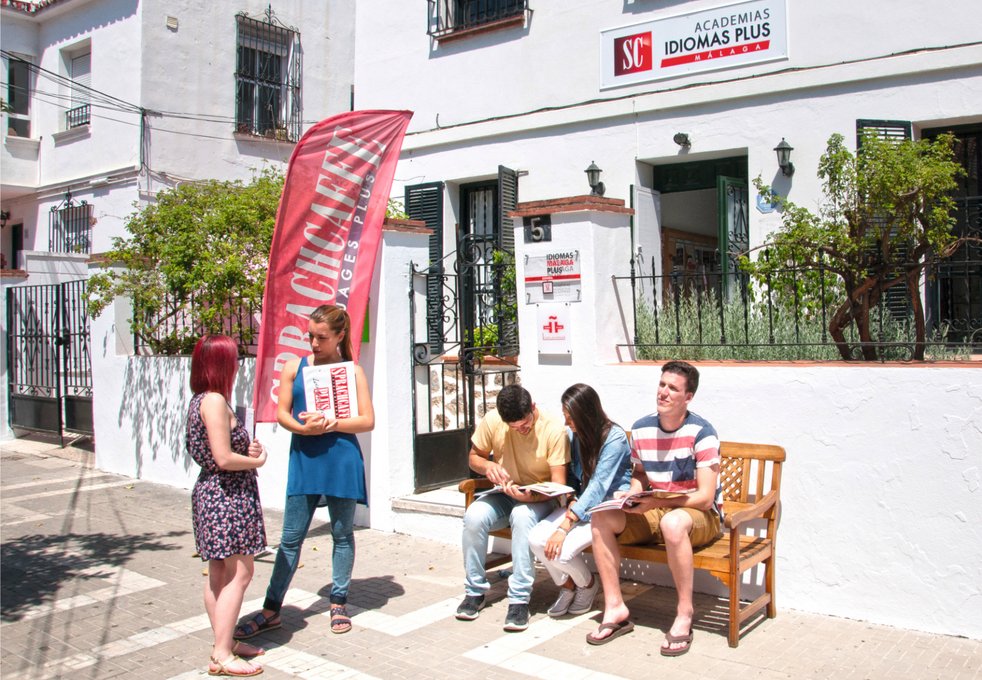
A global language
Spanish has over 500 million native speakers and ranks among the world's most spoken languages.
Cultural immersion
An international mix of nationalities means you practise Spanish naturally every day, with classmates and locals alike.
Career value
Strong Spanish skills broaden your professional options across Europe and Latin America.
Recognised certificates
At the end of your course you receive a certificate confirming your CEFR level.
Spanish Courses & Camps Overseas
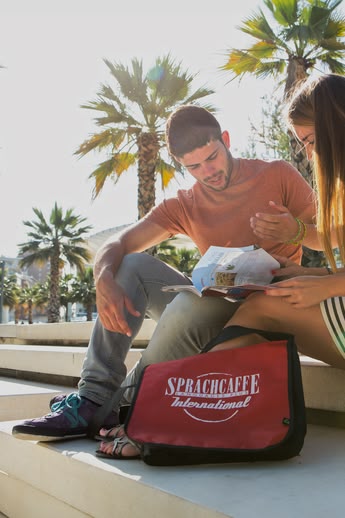

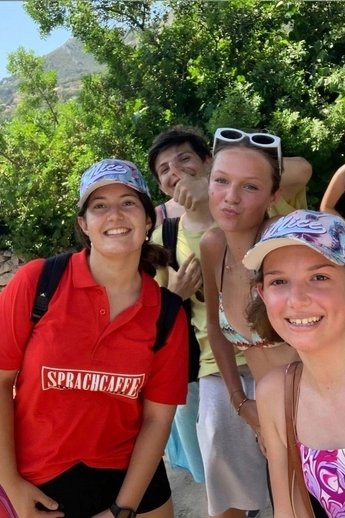
I had a wonderful experience at the Málaga Plus! The lessons were engaging, the atmosphere was so friendly, and I met amazing people from all over the world🥰Everything exceeded my expectations, and I will definitely come back again. Highly recommended! 🌟🌟🌟🌟🌟
Anasteisha Zakhandrevych, Málaga, Spain
Adult Courses vs Junior Camps
Adult courses are built around independence, clear goals and flexible scheduling. Many participants study Spanish for career growth, university entry, relocation or personal ambition. Lessons focus on real-world communication and structured grammar, and progress follows the CEFR framework throughout. You learn in small international groups of up to ten students in cities such as Málaga and Barcelona, and you practise Spanish everywhere: at the morning market, in a tapas bar, along the seafront.
More about Adult Spanish courses
Junior summer camps combine structured lessons with supervision and an organised activity programme. In Spain (Málaga and Barcelona, ages 14 to 21) and in Mexico (Playa del Carmen, ages 14 to 17), young learners follow safe, well-planned programmes that balance classroom learning with sport, excursions and cultural discovery. Classes are interactive and matched to each age group, building vocabulary and speaking confidence step by step, while trained SPRACHCAFFE teamers look after the group throughout the stay.
More about Junior Spanish camps
Adults tend to focus on academic and professional outcomes. Younger learners gain something different: confidence, intercultural awareness and lasting friendships. Both groups share one thing. They grow within a warm, international, Spanish-speaking community.
Spanish is the world's second most widely spoken native language after Mandarin Chinese. Counting non-native speakers as well, it ranks among the world's four most spoken languages, alongside English, Mandarin and Hindi
source: Instituto Cervantes
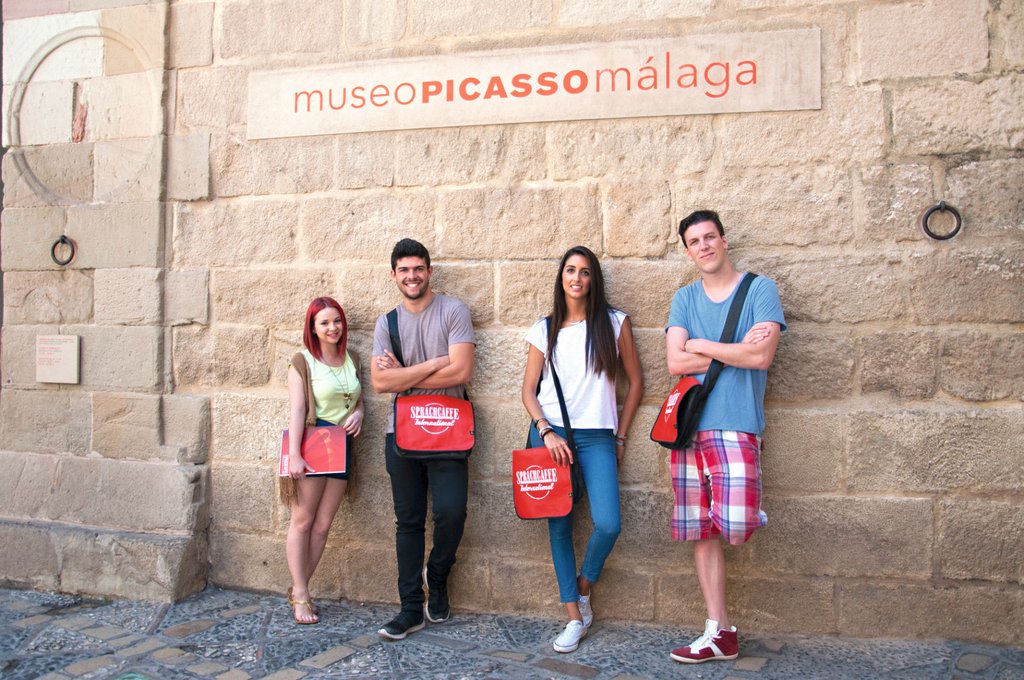
Why Immersion Makes the Difference
Immersion is the reason learning Spanish abroad works so well. In class you build grammar and expand your vocabulary. Outside the classroom you turn that knowledge into real conversation. Spanish immersion means using the language continuously in daily life, not only during lessons, so you practise far more than a few hours of class a day. Speaking with locals, teachers and international classmates strengthens both fluency and confidence, and you quickly grow familiar with the different accents of Spain, Cuba and Mexico.
At SPRACHCAFFE you use the language every day, at school, during activities and in your accommodation. The more you communicate, the less you translate in your head, and that is when real progress, and lasting international friendships, begin.
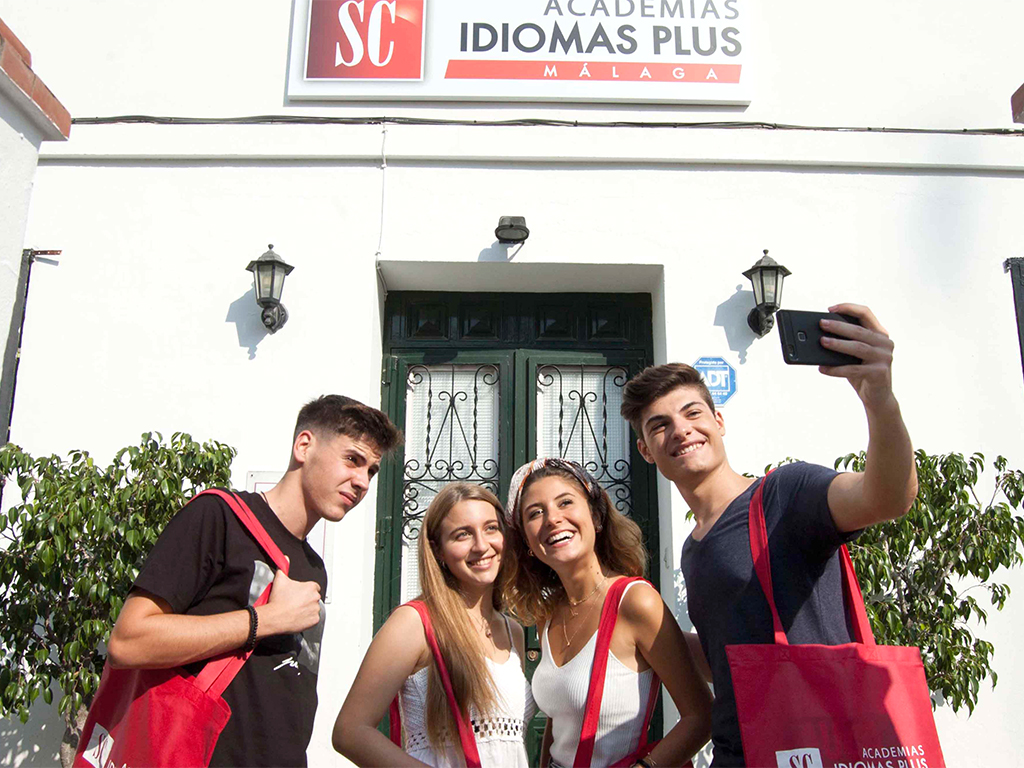
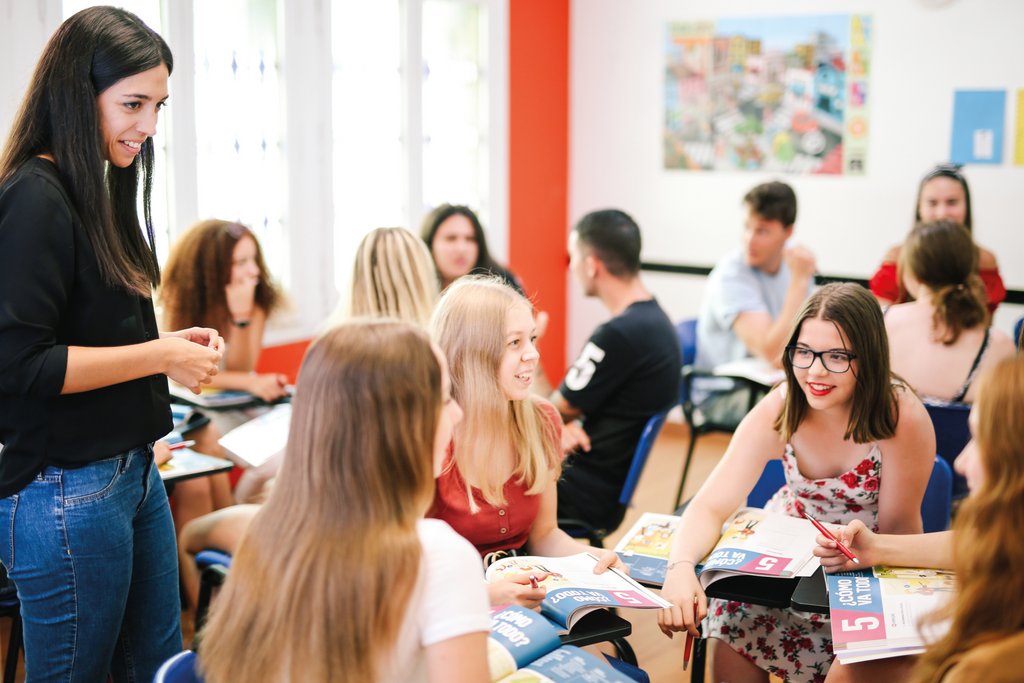

I just finished my Spanish course at Malaga Plus and I loved it. The teacher (Asun) was really great, she not only understood how to explain all that background on grammar etc but also really understood my priorities and adjusted to them (a lot of talking, vocabulary etc). She was well prepared, fun to work with and super nice! I can definitely recommend classes there and hope to come to Malaga soon and do another class in person (and with sun and tapas).
Verena König, Málaga, Spain
Choosing Your Spanish Destination: Spain, Cuba and Mexico
| Criteria | 🇪🇸 Spain | 🇨🇺 Cuba | 🇲🇽 Mexico (juniors only) |
|---|---|---|---|
| Core Positioning | European immersion | Authentic cultural immersion | Caribbean lifestyle, vibrant Spanish |
| Atmosphere | Historic, lively, structured | Warm, musical, community-based | Colourful, relaxed, energetic |
| Safety Level | High | Good with structured support | Good (varies by area) |
| Travel Distance (from Europe) | Short | Long-haul | Long-haul |
| Relative cost level | €€€ | €€ | €€ |
| International diversity | High | Moderate | Moderate |
| Accommodation | Host family, apartment, studio, residence | Apartment, hotel | Residence |
| Lifestyle | Culture, gastronomy, city life | Music, dance, close community | Beach, cenotes, Riviera Maya |
| Climate | Mediterranean | Tropical | Warm year-round |
| Typical Locations | Barcelona, Málaga | Havana | Playa del Carmen |
| Who it's for | Adults and juniors | Adults | Juniors aged 14 to 17 |
Spain
Spain offers a European setting with clear pronunciation, international classmates and short travel connections from the UK. Our schools sit in Barcelona, the Catalan capital known for the architecture of Gaudí, and in Málaga, on the Costa del Sol in Andalusia. Both combine structured lessons with beach life, history and city energy.
Cuba
Cuba gives you full cultural immersion in Havana, where music, history and daily life surround you in Spanish from morning to evening. Our school sits in the Miramar district, and the experience sharpens your listening and speaking in one of the language's most expressive settings.
Mexico
Mexico is available in our junior programme in Playa del Carmen, on the Riviera Maya, for learners aged 14 to 17. Everyday Spanish meets Caribbean beaches, cenotes and the lively Quinta Avenida (Fifth Avenue), all within a supervised programme.
Advantages of Studying Spanish Abroad
When you learn Spanish abroad, progress comes from real life as much as from the classroom. Even a short-term study abroad stay can move you forward faster than lessons at home.
- Fluency through daily use: tapas tours, evenings by the sea, native speakers all around you.
- A recognised path: DELE exam preparation is available at our school in Málaga, across levels A1 to C1.
- Accredited quality: our schools in Barcelona and Málaga are accredited by the Instituto Cervantes, with qualified, native-speaker teachers.
- Personal growth: you come back with a new city behind you, new confidence and a broader sense of who you are.
- A global network: classmates from everywhere, with friendships that form fast and last long.

Find out more
The cost of studying Spanish with SPRACHCAFFE varies. It depends on your destination, course type, season, and accommodation choice. As a general guide, prices for a one-week Spanish course abroad usually start at around EUR 700-900, including accommodation. Longer stays offer better value per week.
What is usually included?
When you book your Spanish language holiday with SPRACHCAFFE, you enjoy a complete package:
- Spanish course (Standard: 20 lessons per week or Intensive: 30 lessons per week)
- Online placement test before arrival
- Course certificate at the end of your stay
- Accommodation (homestay, residence, or hotel, depending on destination)
- Meal plan (for example, half board or full board in many programmes)
- Leisure activities and excursions (depending on age group and package)
- Support from our local team throughout your stay
You learn in small international groups. You practice Spanish every day-in class, during activities, and while exploring your destination. This full immersion makes your progress faster and more natural.
With SPRACHCAFFE, you receive a transparent package without hidden costs. We help you from planning to departure. This way, you can focus on improving your Spanish and enjoying an amazing experience abroad.
The best country for learning Spanish depends on the experience you are looking for.
Spain - European lifestyle and clear pronunciation
Spain is ideal if you want to learn Spanish in Europe while enjoying a vibrant cultural scene. In Barcelona or Málaga, you combine structured lessons with beach life, history and modern city energy. You benefit from clear pronunciation, international classmates and excellent infrastructure. Spain is perfect if you want a dynamic atmosphere and easy travel connections within Europe.
Mexico - Warm culture and practical communication
Mexico offers a friendly, open environment where you use Spanish naturally every day. In Playa del Carmen, you study close to the Caribbean Sea and practise Spanish in real conversations with locals. Mexican Spanish is widely understood across Latin America, which makes it a strong choice for future travel or business.
Cuba - Authentic immersion and cultural depth
Cuba gives you full immersion in a unique cultural setting. In Havana, music, history and daily life surround you in Spanish from morning to evening. You experience the language in its most authentic form and develop strong listening and speaking skills.
The most effective way to learn Spanish is to choose a destination that motivates you. When you enjoy the atmosphere, the culture and your surroundings, you speak more confidently and progress faster.
With SPRACHCAFFE, you do not simply choose a country. You choose an experience that helps you grow, connect internationally and build lasting confidence in Spanish.
There is no single answer, because progress depends on your starting level, the intensity of your course and how much you use the language outside class. The CEFR framework describes levels from A1 (beginner) to C2 (mastery), and an immersion setting helps you move between levels faster because you practise continuously. A Standard course of 20 lessons per week builds steady progress, while an Intensive course of 30 lessons per week accelerates it.
Language travel is possible at almost any age. SPRACHCAFFE offers supervised junior programmes from age 14 in our Spanish destinations, with Playa del Carmen reserved for ages 14 to 17, and courses for adults of all ages in an international environment focused on communication and real-life use.
Spanish immersion means learning the language by using it continuously in everyday life, not only in lessons. You study grammar and vocabulary in class, then apply them straight away with teachers, classmates and locals. Immersion abroad combines structured teaching with real conversation, which helps you think in Spanish rather than translate in your head.
Visa and work rules depend on your nationality, the destination and the length of your stay. For short Spanish courses in Spain, EU citizens can usually study without a visa, while non-EU participants may need a short-stay visa depending on nationality and course length. For Cuba and Mexico, many nationalities can enter for short stays as tourists, but requirements vary, and longer study may require a student visa. Short language stays are designed for study, so working is generally not permitted on a tourist visa. We provide up-to-date guidance for your destination and help with documents such as your booking confirmation or letter of acceptance.
Our schools welcome students from Europe, Latin America, Asia, the Middle East and beyond, which creates a genuinely international atmosphere. You study in small groups with motivated learners who share similar goals, and you connect outside class during activities, excursions and social events. You also work with experienced teachers who encourage you to speak from day one, supported by our local team throughout your stay.