Languages Spoken in Spain
The Roots of Spain's Linguistic Diversity
Spain's impressive linguistic diversity is deeply rooted in the country's rich historical past. Over the centuries, Spain's cultural landscape has been shaped by a wealth of different civilizations and cultures, from the Moors to the Romans.
This fascinating cultural blend is clearly reflected in the diverse dialects spoken in the different regions of Spain. Each of these dialects tells its own unique story, preserves the cultural influences of bygone eras, and conveys a deep understanding of the roots of these regions.
Spanish (Castellano): The Official Language of the Country
Spanish, also known as Castilian Spanish, is not only the official language of Spain but also a crucial part of its national identity. With over 460 million native speakers worldwide, Spanish is one of the most widely spoken languages in the world. In Spain itself, Spanish is the dominant language, spoken by the vast majority of the population. It spans the entire country, from the sun-drenched beaches of Andalusia to the majestic Pyrenees in the north, serving as the common thread that unites Spaniards in a shared cultural heritage.
The importance of Spanish in Spain extends far beyond everyday communication. It is the language of the country's literature, art, music, and film industry. Many of the most important works of Spanish literature, from Cervantes' "Don Quixote" to the poems of Federico García Lorca, were written in Spanish and shape Spain's cultural heritage.
Castilian Spanish is spoken in Málaga. This makes Málaga the perfect destination for learning Spanish on a language course.
Catalan: The Language of Catalonia and Neighboring Regions
Catalan, a rich Romance language, is spoken not only in Catalonia but also in regions such as Valencia and the Balearic Islands. Its origins trace back to the Vulgar Latin dialects introduced to the Iberian Peninsula by the Romans. Through the influence of the Visigoths, Moors, and Jews, Catalan developed into a distinct language with profound cultural significance.
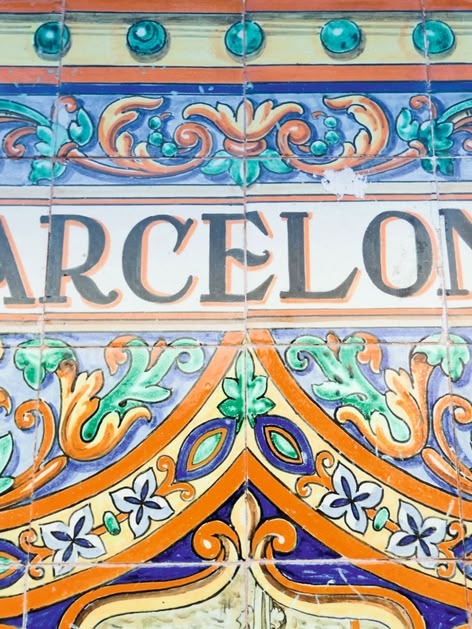
Barcelona, the vibrant capital of Catalonia, breathes the richness of Catalan. The language permeates the street cafés, accompanied by the proud voices of its speakers. It is not merely a language of everyday life, but a cultural treasure that shines through in art, literature, and music. Catalan literature, from epic works like "Tirant lo Blanch" to modern masterpieces, is characterized by a unique melody and a profound cultural awareness. Writers like Mercè Rodoreda have captured this cultural heritage in their works and brought it to the attention of the world.
In Barcelona, people naturally speak not only Catalan but also Spanish. Therefore, you can learn Spanish very well there on a language course.
Valencian: The Catalan dialect spoken in the Valencia region
Differences from classical Catalan
Valencian, also known as Valenciano, is a variant of Catalan spoken in the Valencia region.
It differs from standard Catalan in subtle nuances of pronunciation, vocabulary, and grammar.
Specific words and expressions, as well as fine differences in pronunciation, are noticeable to both speakers and linguists.
Cultural significance and use
Valencian is essential to Valencia's cultural identity. It is used not only in everyday life but also in media, art, literature, and theater. The language has a rich literary tradition with renowned authors who write in Valencian. It is used as a language of instruction in schools, and cultural events and educational efforts help to preserve the language and its cultural significance for future generations.
Basque: The unique isolated language of the Basque Country
Basque, also known as Euskara, is one of the most fascinating languages in Europe. Unlike most European languages, it does not belong to any major language family. This isolation makes Basque unique. Its roots reach deep into history, back to pre-Indo-European times. As the oldest still-spoken language in Europe, it has maintained remarkable consistency. Its distinctive grammar, lack of relationships to other languages, and the existence of dialects make it a unique linguistic entity.
Conservation and Promotion
In a globalized world, preserving Basque is of crucial importance. The Basque community has made admirable efforts to safeguard its language. Basque is taught in schools, there is Basque-language media and literature, and initiatives to cultivate the language in the digital age. This extends beyond formal education; the language should be present in everyday communication. Cultural events and language festivals play a key role in showcasing the beauty of Basque.
Preserving Basque is not just a linguistic issue, but also one of identity and cultural heritage. The Basque community is passionately committed to preserving its unique language for future generations and, at the same time, demonstrating to the world that Basque is a precious treasure of European cultural heritage.
Galician: The Language of Galicia
Galician, or Gallego, is one of the four official languages of Spain and is spoken primarily in the autonomous region of Galicia in the northwest of the country. The history of Galician is rich and multifaceted.
It developed from Vulgar Latin, which was introduced to the region by the Romans. Over the centuries, Galician was shaped by various cultural influences, including those of the Visigoths, the Moors, and the Celtic peoples who inhabited the region.
During the Middle Ages, Galician flourished as a literary language. Many important works of Galician literature were created during this period. In the 19th and 20th centuries, Galician experienced a renaissance and became a symbol of cultural identity for the people of Galicia.
The Characteristics of Galician
Galician is distinguished by its unique linguistic structure. It belongs to the West Iberian languages and shares similarities with both Portuguese and Spanish. However, it also has specific features that differentiate it from these languages. For example, Galician has specific sound shifts and grammatical peculiarities that make it a distinct language.
Asturian: Characteristics and Historical Background
Asturian, also known as Bable, and Aragonese are minor dialects spoken in Asturias and Aragon. They are rooted in the ancient Romance languages of the Iberian Peninsula and bear influences from various historical periods, including Moorish rule and Visigothic traditions. These dialects reflect the complex cultural history of their regions.
Asturian is spoken predominantly in Asturias and differs from Spanish in vocabulary and grammar. It is heavily influenced by the original Romance languages and boasts a rich tradition of folk songs, stories, and poems.
Aragonese originates in the Pyrenees of Aragon and also exhibits specific characteristics. As a Romance language belonging to the ancient dialects of the Iberian Peninsula, it is shaped by the region's geographical isolation.
Current Situation and Conservation Efforts
Both dialects are threatened, particularly by the influence of Spanish and globalization, which have led to them being spoken less frequently by the younger generation. Nevertheless, language activists, cultural organizations, and local governments are actively working to preserve them.
In Asturias, there are school programs that incorporate Asturian into the curriculum to familiarize young people with their cultural heritage. Cultural events, literature, and media contribute to raising awareness of the cultural value of these dialects and securing their future.
The Linguistic Diversity of Spain and its Cultural Significance
Spain, a country with a rich cultural history, is distinguished by its impressive linguistic diversity. This diversity is the result of centuries of influence from various civilizations, from the Moors to the Romans, who shaped the country's cultural landscape. In Spain, not only Spanish but also a multitude of regional dialects are spoken, such as Catalan, Basque, Galician, Valencian, Asturian, and Aragonese.
The existence of these different languages is a fascinating phenomenon that underscores Spain's cultural diversity. These languages are not merely linguistic variations, but also living testimonies to the unique history and traditions of each region. They are expressions of identity, community, and cultural heritage. Despite the widespread use of Spanish as the official language, these dialects remain deeply rooted in regional culture.