
Morocco, the gateway to North Africa, is a land where the Atlantic and the Sahara meet in a mix of colours, scents and sounds. From the clamour of the medinas (the old walled cities) to the peaks of the High Atlas, it offers an intense sensory and cultural journey, shaped by deep Berber (Amazigh) and Arab traditions. This Morocco travel guide covers the regions and cities, the best time to go, the food and tea rituals, the art of bargaining, how to get around, and the etiquette that makes for a respectful, rewarding trip. The name Al-Maghrib itself means “the west”, or the place where the sun sets.
Morocco Travel Guide: Cities, Culture, Food and Tips
1. Morocco's Contrasts: Imperial Cities, Atlas Mountains, and the Desert
Morocco packs remarkable variety into one country, from Mediterranean coast to high mountains to Saharan dunes.
| Region | Main Characteristics | Iconic Locations |
| Coast and North | Mediterranean and Atlantic climate, strong colonial influences. | Tangier, Rabat (the capital), Chefchaouen (The Blue City), Casablanca. |
| Atlas Mountains | Majestic mountain range, center of Berber culture, trekking, crafts. | Ourika Valley, Tizi n’Tichka Pass, Toubkal (the highest peak). |
| Imperial Cities | Historical, political and cultural centres with monumental medinas. | Marrakech, Fes, Meknes. |
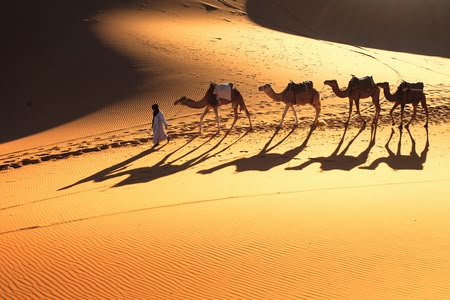
| Sahara and South | Oases, arid climate, earthen fortifications (kasbahs). | Aït Benhaddou, Erg Chebbi dunes (Merzouga), Draa Valley. |
Cultural Difference: Public vs. Private Space
In traditional medinas, you will notice that buildings are intentionally simple and unadorned on the exterior. All the beauty and wealth (mosaics, fountains, gardens) are hidden within riads and private palaces. This architectural philosophy, known as "external modesty, internal richness," reflects the deep cultural value placed on privacy and family life.
2. In the Labyrinth of the Medinas: A Guide to Morocco's Icons
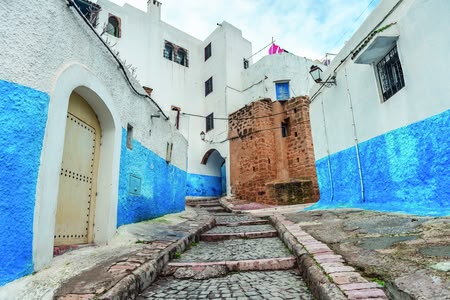
The medinas are labyrinths of narrow streets that serve as the vibrant heart of Moroccan life, trade, and craftsmanship. They present the greatest challenge and the greatest reward for travellers.
- Marrakech: The Sensory City
- Must-See: The bustling Jemaa el-Fna square (magical at sunset, with storytellers and food stalls that transform into a huge open-air restaurant), the luxurious Jardin Majorelle (a pleasant escape from the heat), and the Bahia Palace.
- Vibe: Energetic, loud, and tourist-focused.
- Must-See: The bustling Jemaa el-Fna square (magical at sunset, with storytellers and food stalls that transform into a huge open-air restaurant), the luxurious Jardin Majorelle (a pleasant escape from the heat), and the Bahia Palace.
- Fes: The Capital of Culture and Crafts
- Must-See: The oldest medina in the world, Fes el Bali (UNESCO), the famous Chouara Tanneries (be ready for a strong smell; mint helps!), and the Bou Inania Madrasa (an example of Islamic architecture).
- Vibe: More traditional and conservative than Marrakech, focused on conventional crafts (pottery, leather).
- Must-See: The oldest medina in the world, Fes el Bali (UNESCO), the famous Chouara Tanneries (be ready for a strong smell; mint helps!), and the Bou Inania Madrasa (an example of Islamic architecture).
- Casablanca: The modern business centre. Worth seeing is the majestic Hassan II Mosque, one of the few mosques open to non-Muslim visitors.
- Aït Benhaddou: A spectacular fortified earthen village (kasbah) south of the Atlas. An icon of Berber architectural heritage and a renowned movie set location (featured in Gladiator and Game of Thrones).
The best time to visit Morocco
In Morocco, travel planning must take into account both temperature and key religious holidays.
| Season | Temperatures / Conditions | What You Need to Know |
| Spring (March–May) | Mild, ideal (18°C–25°C), the desert is comfortable. | The best time overall. Perfect for trekking. |
| Summer (June–August) | Very hot (30°C–45°C+) in the interior/desert. | Best for the Atlantic Coast (cooler breeze). |
| Autumn (September–November) | Warm and comfortable (20°C–30°C), desert nights cool down. | Second-best time. Great light, ideal for the desert and cities. |
Ramadan
The holy month of Ramadan (the month of fasting) has a huge impact on the rhythm of life. During this time, Muslims fast from sunrise to sunset.
- What it Means for You: Eating, drinking, and smoking in public during the day is considered disrespectful. Restaurants may be closed or operate on a limited schedule. In the evening, after the fast is broken (iftar), the city comes alive.
4. The Taste of Morocco: Tagine, Tea, and the Ritual of Hospitality
Moroccan cuisine is synonymous with a richness of flavour, blending sweet and savoury accents with an abundance of spices (saffron, cinnamon, ginger). It is a deeply social cuisine.
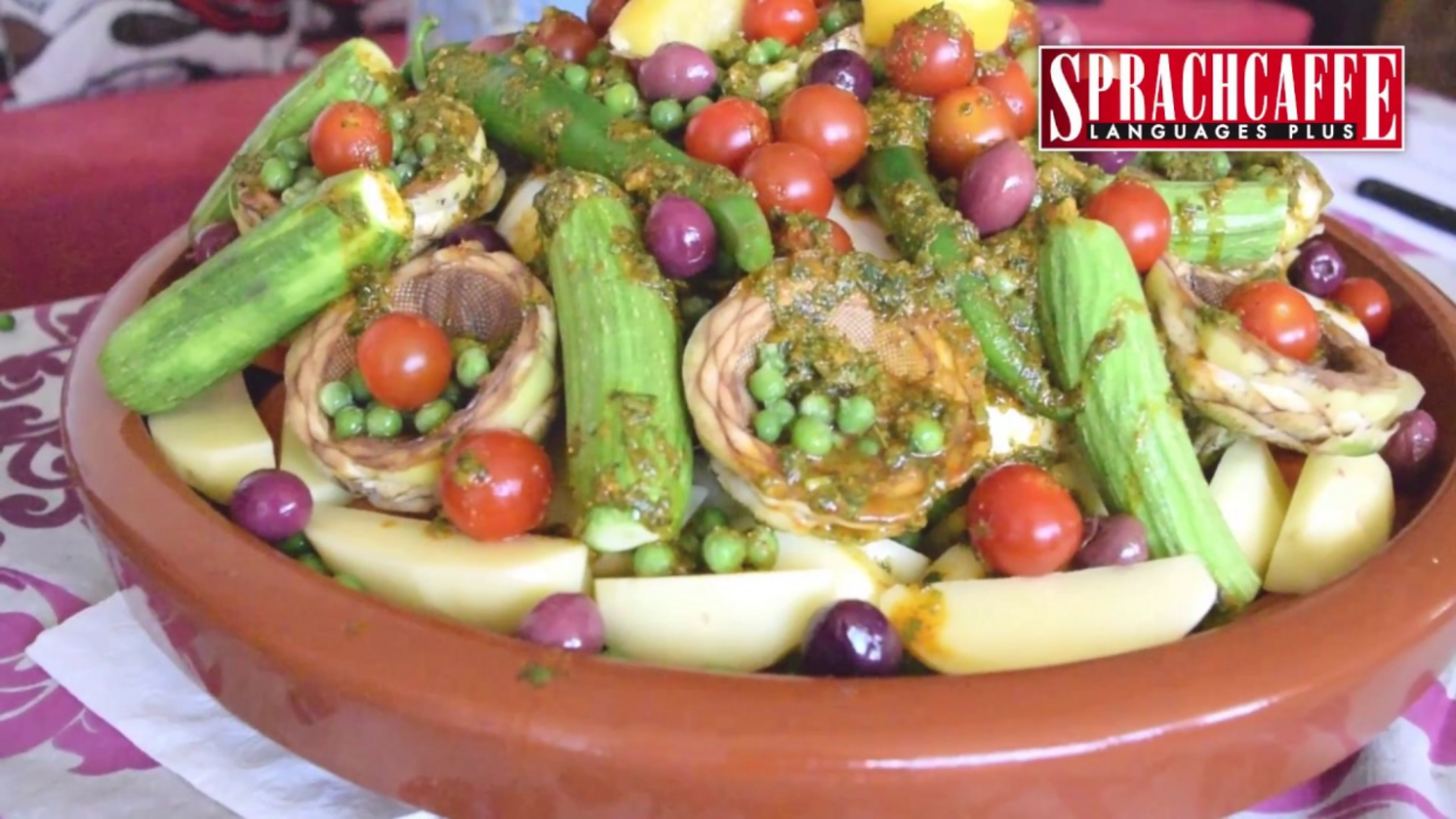
- Tagine (Tanjia): The national dish. Slow-cooked food (meat/chicken/fish) in a conical clay pot. Classic combinations include chicken with preserved lemons and olives, or lamb with plums and almonds (a popular sweet-savoury combination).
- Couscous: Fine steamed semolina, traditionally served on Fridays (the day of prayer) with meat and vegetable stew.
- Pastilla: A unique, sweet-savoury tart made of thin warqa pastry (like filo), filled with almonds, egg, and meat (traditionally pigeon, now often chicken), dusted with powdered sugar.
Mint Tea: Moroccan Whiskey
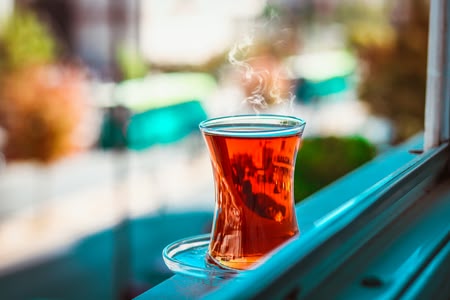
Sweet, brewed with fresh mint leaves, tea is the symbol of Moroccan hospitality. Refusing it is a breach of etiquette. It is a ritual: the tea is poured from a height to create foam in the small glasses. It is a gesture of honour and friendship.
Cultural Difference: Eating and Hands
Traditionally, if you eat from a shared plate (e.g., a tagine), you must always use only your right hand. The left hand is traditionally reserved for personal hygiene and is considered unclean in the context of eating and offering.
5. The Art of Bargaining and the Code of Interaction
For a tourist from Europe, where prices are fixed, interacting with Moroccans in the market (souk) requires learning a new set of rules for the game.
The Art of Bargaining
- It's a Social Game: Bargaining is not just about lowering the price; it is a social ritual. Take your time, laugh, and be polite.
- Starting Price: Vendors typically overcharge tourists by 200-300%. Start negotiations at 30%-50% of the asking price and aim for a compromise (usually settling at around 50-70% of the initial price).
- When to Buy, When to Leave: Do not bargain unless you intend to buy. If the price is unsatisfactory, thank them and walk away-it is often then that the vendor will call you back with their best offer.
Tipping and Baksheesh
- Baksheesh: This Arabic word means a handout, a tip, or a small favour. In Morocco, a tip (a few Dirhams) is expected for small services: helping find the way, carrying luggage, or even taking a photo.
- Beware of Faux Guides: In the medinas, you will encounter persistent men offering their services as guides ("False Guides"). Be firm but polite in refusing. The best formula is: "La shukran" (No, thank you) or "Non, c'est bon" and then immediately walk away.
6. Getting Around: From Trains to Grand Taxis
Morocco has an efficient, if sometimes slower, transportation system that requires distinguishing between inter-city and local transport.
- Trains (ONCF): The best choice between major cities (Tangier, Casablanca, Marrakech, Fes). They are comfortable, air-conditioned, and punctual.
- Buses (CTM and Supratours): Offer comfortable, air-conditioned connections to cities and regions not served by rail (e.g., Essaouira, Agadir, or routes to Merzouga). Booking in advance is recommended.
- Grand Taxi: Large, often older cars that operate on fixed, long-distance routes between cities. You share them with other passengers, making it quick and economical. Buying all seats provides a private ride.
7. Practical and Cultural Tips: Dress, Money, and the Rhythm of Life
- Dress and Respect: Morocco is a Muslim country. Modest dress is recommended, especially for women outside of beach resorts. Covering shoulders, cleavage, and knees is a sign of respect for the local culture and will help avoid unwanted attention.
- Accommodation: Riad: Opting for a riad (a traditional house with an inner courtyard and garden) is the essence of the Moroccan experience. It offers tranquillity and authenticity in the heart of the medina.
- Water and Health: Tap water in major cities is often treated, but for safety, it is recommended to drink bottled water, especially outside the main centres.
- Cash is King: Although cards are accepted in modern hotels, cash (Moroccan Dirham - MAD) is required in markets, small taxis, and by many souk vendors. Always carry small coins for baksheesh.
Morocco is a country where culture and tradition are alive and dominant. The key to a successful visit is accepting that the rhythm of life is different, and that openness and a smile are your best tools for communication.
Summary
This Morocco travel guide runs from the imperial cities of Marrakech, Fes and Meknes and the blue streets of Chefchaouen to the High Atlas and the Sahara. Spring and autumn are the best times to visit, the food and mint-tea rituals are central to the culture, and the souk rewards patient, good-humoured bargaining. Dress modestly, carry cash, stay in a riad, and travel by train between cities. Morocco is also a wonderful place to learn Arabic or French, which SPRACHCAFFE teaches in Rabat.
FAQ
Arabic and Tamazight (the Berber language) are Morocco's official languages. In everyday life, most people speak Moroccan Arabic (Darija), while French is widely used in government, business and education. In the north, many people also understand Spanish, and in tourist areas you can often get by in English.
Spring and autumn are ideal, with warm but comfortable temperatures. Summers are very hot inland and in the desert, while winters can be cold in the mountains.
Yes, in the souks and markets it is part of the culture. Start well below the asking price, stay friendly, and treat it as a good-natured exchange rather than a confrontation.
Dress modestly, especially at religious sites, ask before photographing people, and accept mint tea when it is offered, as hospitality is central to Moroccan culture.
Learning Arabic in Morocco pairs lessons with daily immersion in the language and culture.
Related news
Get the latest on travel, languages and culture