
Spanish is the language of everyday life in Mexico, spoken by the overwhelming majority of the population, and Mexico is home to more Spanish speakers than any other country in the world. It is not the whole story, though. Alongside Spanish, Mexico officially recognises 68 indigenous languages, from Nahuatl to Yucatec Maya, which together make the country one of the most linguistically diverse on earth. This guide explains what people actually speak in Mexico, and why the answer is far richer than “just Spanish”.
Languages in Mexico: More than just Spanish
The main language: Spanish
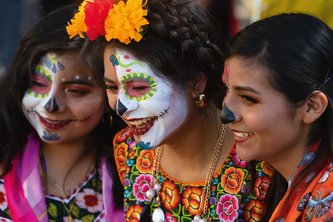
In practice, yes, but not in the way you might expect. Mexico has never named a single official language in its constitution.
Spanish is the de facto national language and the language of government, education and media.
Under the General Law of Linguistic Rights, passed in 2003, Spanish and 68 indigenous languages are all recognised as national languages with equal legal standing. So Spanish is dominant, but it is not the country's only official tongue
A country of many languages
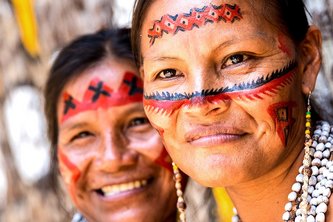
What many people don't know is that Mexico is one of the most linguistically diverse countries in the world.
The Mexican government officially recognizes 68 national languages, including Spanish and dozens of indigenous languages.
These languages are not just historical remnants-they are still spoken today by millions of people across the country.
Indigenous languages: Mexico’s living heritage
Long before Spanish arrived, Mexico was home to powerful civilizations such as the Maya, Aztecs, and many others. Their languages are still alive today.
The indigenous languages of Mexico
| Language | Where it is mainly spoken |
| Nahuatl | Central Mexico |
| Yucatec Maya | Yucatán Peninsula |
| Mixtec | Oaxaca, Guerrero and Puebla |
| Zapotec | Oaxaca |
| Tzeltal and Tzotzil | Chiapas |
| Otomí | Central highlands |
Nahuatl – the language of the Aztecs
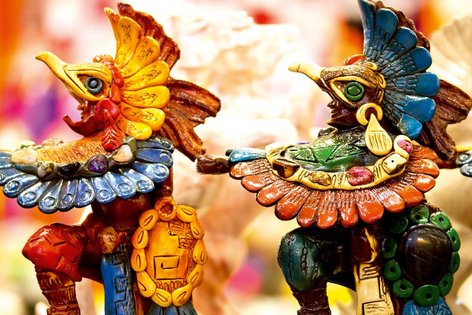
Nahuatl is one of the most historically significant indigenous languages in Mexico. It was the language of the Aztec Empire and is still spoken today in central regions such as Puebla, Hidalgo, and Veracruz.
Even modern Mexican Spanish includes many words that come from Nahuatl, such as chocolate, tomato, and avocado.
Mixtec & Zapotec – voices of Oaxaca
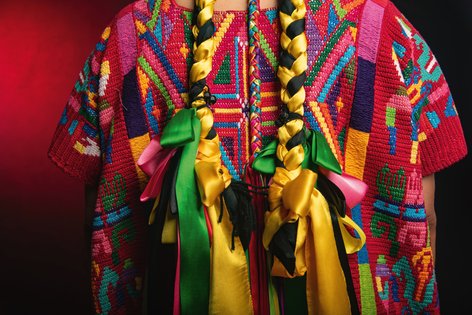
In southern Mexico, especially in the state of Oaxaca, Mixtec and Zapotec languages are widely spoken.
These languages belong to complex linguistic families that have existed for thousands of years. Today, they remain an essential part of daily life in many indigenous communities.
Yucatec Maya – language of the peninsula
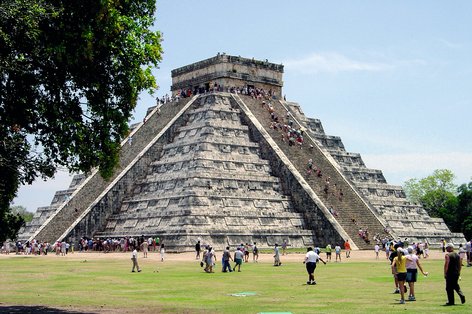
On the Yucatán Peninsula, including regions such as Yucatán, Campeche, and Quintana Roo, Yucatec Maya is still spoken by hundreds of thousands of people.
If you visit famous sites like Chichén Itzá or Tulum, you are walking through regions deeply connected to this linguistic heritage.

Many more languages
Beyond these, Mexico is home to dozens of other indigenous languages, including Otomi, Huichol, Tzotzil, Tzeltal, Tarahumara, and many more.
Most of them are spoken in specific regions and often within smaller communities-but together they form an incredibly rich cultural mosaic.
Who is a language trip to Mexico for?
A Spanish language trip to Mexico is ideal for:
- Students who want immersive learning experiences
- Families looking for educational travel programs
- Adults seeking professional development or educational leave (Bildungsurlaub)
- Anyone who wants to combine travel with language learning
Learn Spanish where it comes alive
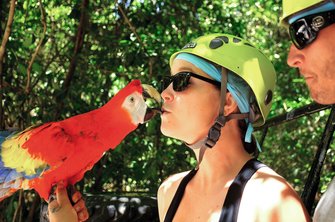
If you truly want to improve your Spanish, there is no better way than learning it where it is spoken every day.
Mexico offers the perfect combination of culture, travel, and real-life language practice.
Summary
Mexico speaks Spanish first, and more people speak Spanish there than anywhere else on earth. Behind that sits an extraordinary depth of indigenous languages: 68 recognised tongues, 11 families and 364 variants, led by Nahuatl and Yucatec Maya. Learn Spanish and you can travel the whole country with confidence; learn a little about its indigenous languages and you understand Mexico far better. A Spanish course with SPRACHCAFFE is a natural place to begin.
FAQ
Mexico has no single official language written into its constitution. Spanish is the de facto national language and the mother tongue of the overwhelming majority, while 68 indigenous languages are recognised as national languages with equal legal standing.
Alongside Spanish, Mexico recognises 68 indigenous language groups, which include several hundred regional varieties. This makes the country one of the most linguistically diverse in the Americas.
Yes, mainly in vocabulary, pronunciation and some grammar. Mexican Spanish uses "ustedes" rather than "vosotros", pronounces the letters c and z as an s sound, and has absorbed many words from Nahuatl, such as "chocolate" and "tomate".
The most widely spoken are Nahuatl, the language of the Aztecs, with well over a million speakers, and Yucatec Maya, spoken across the Yucatán Peninsula. Others include Mixtec, Zapotec and Tzeltal.
Get the latest on travel, languages and culture