
Germany is a country where fairytale castles meet cutting-edge modernism, and world-class engineering sits alongside a deep, soulful love of the forest. From the avant-garde streets of Berlin to the timber-framed villages of the Black Forest and the rugged Bavarian Alps, it offers a travel experience as diverse as it is efficient. This Germany travel guide walks you through the regions, the best time to visit, the great cities, the food and beer, the fairytale castles, and the cultural etiquette that helps you travel like a local.
Germany Travel Guide: Castles, Cities, Food and Beer
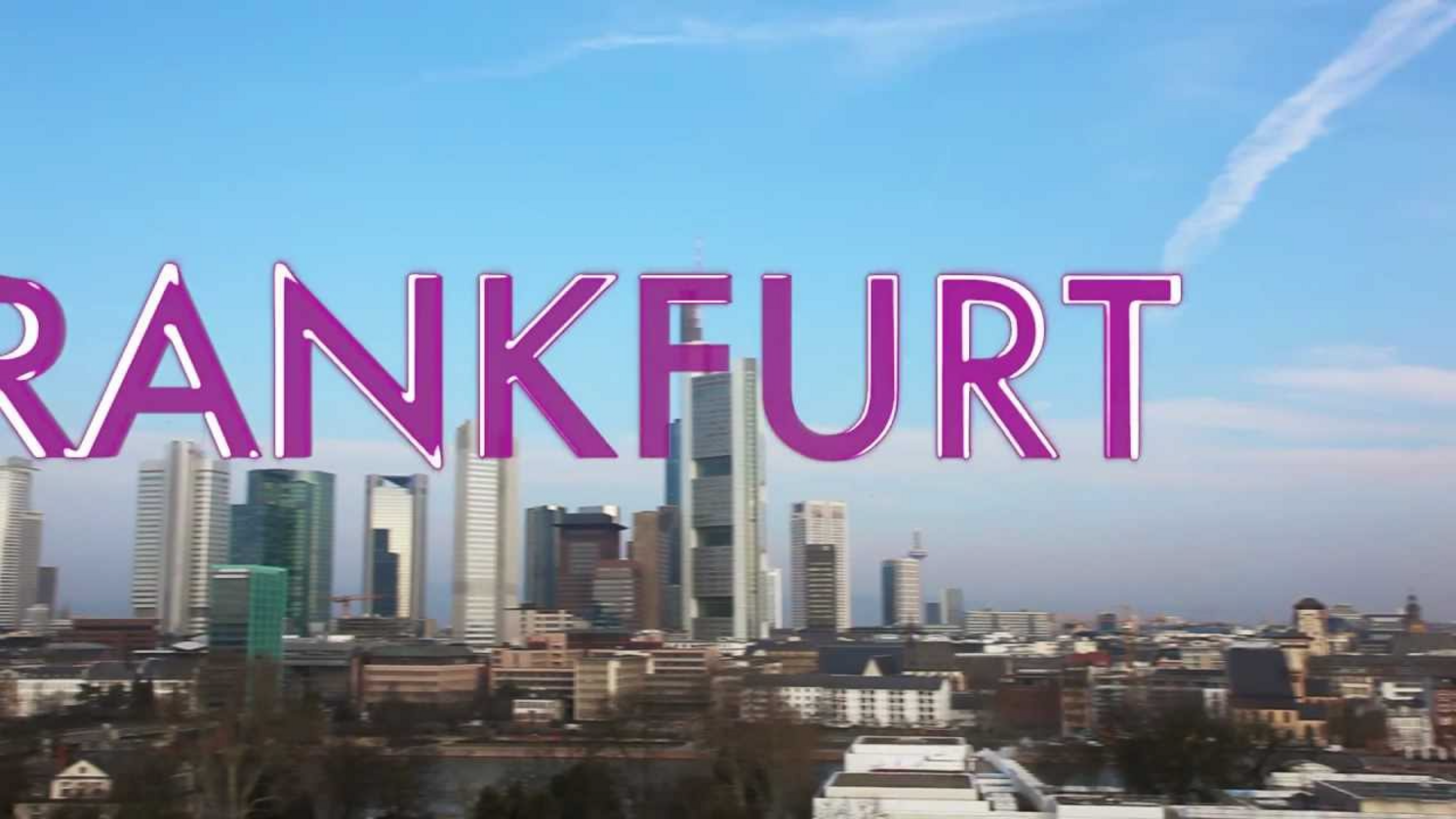
1. A Geographic and Regional Tapestry
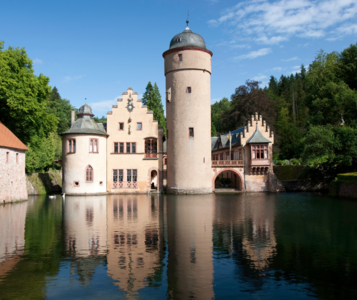
Germany is a federation of 16 states (Bundesländer), each with its own history, dialect, and cultural pride. Understanding the north-south and east-west divide is key to planning your trip.
Core Geography and Regions
- The North (Hamburg, Bremen, Baltic/North Sea): Maritime culture, brick Gothic architecture, and a refreshing, breezy climate.
- The South (Bavaria, Baden-Württemberg): The "postcard" Germany. Think snow-capped Alps, beer gardens, and the Black Forest.
The East (Berlin, Saxony, Thuringia): A region of immense historical change. It features trendy urban centers and reconstructed baroque gems like Dresden
- The West (North Rhine-Westphalia, Rhineland): The industrial heartland turned cultural hub, famous for its river cruises and the massive Cologne Cathedral.
Key Regions for the Traveller
| Region | Major City | Cultural Highlights for Travellers |
| Bavaria | Munich | Neuschwanstein Castle, Oktoberfest, and Alpine hiking. |
| Berlin | Berlin | Cold War history, world-class nightlife, and Museumsinsel. |
| Hamburg | Hamburg | Historic port, the Elbphilharmonie, and the Reeperbahn district. |
| Saxony | Dresden | Baroque architecture and the "Saxon Switzerland" national park. |
| The Rhineland | Cologne | Gothic cathedrals, Carnival season, and Rhine River vineyards. |
2. Climate and The Best Time to Visit
Germany has a temperate seasonal climate. While the weather can be unpredictable (locals say, "There is no bad weather, only bad clothing"), each season offers a distinct draw.
| Season | Timeframe | Temperatures / Conditions | Travel Recommendation |
| Spring | April–May | Mild (10°C–20°C). Cherry blossoms and asparagus season. | Best for nature lovers. Visit the blossoming valleys and avoid summer crowds. |
| Summer | June–August | Warm to hot (20°C–30°C+). Long, sunny days. | Peak season. Best for hiking, beer gardens, and festivals. Cities are very lively. |
| Autumn | September–October | Crisp (10°C–18°C). Golden foliage and wine harvests. | Best for culture. Experience Oktoberfest or the wine festivals along the Mosel. |
| Winter | November–December | Cold (0°C–5°C). Often grey, but brightened by lights. | The Christmas Market season. Essential for the magical atmosphere, glühwein, and cozy vibes. |
Visit Germany and learn German
3. The Iconic Urban Hubs
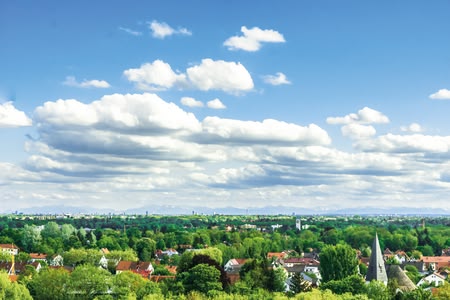
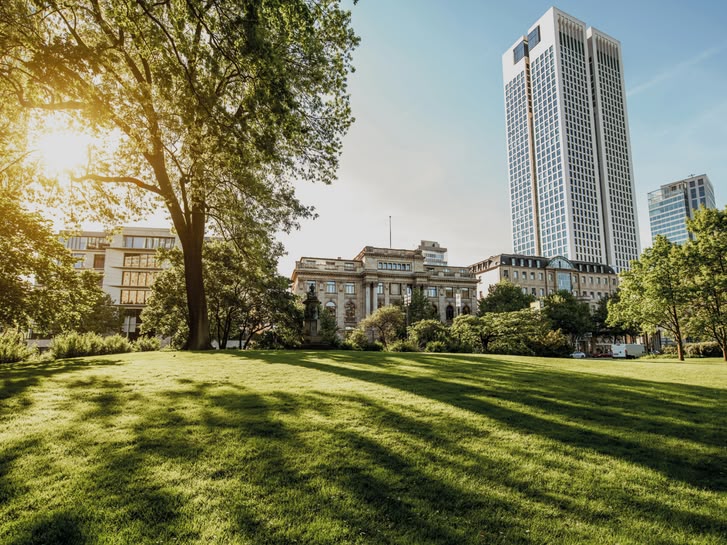
German cities are famously distinct from one another. You won't find one "representative" city; instead, you find a collection of urban identities.
Berlin: A City of Grit and Glamour
Berlin is a city that never stays the same. It is a sprawling, avant-garde metropolis where dark history meets a radical, creative future. It is a haven for artists, history buffs, and techno enthusiasts alike.
Must-See:
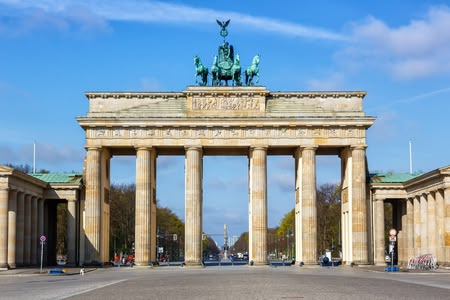
- The Brandenburg Gate: The symbol of German unity and the city's most famous landmark.
- East Side Gallery: A 1.3km stretch of the original Berlin Wall covered in vibrant, political murals.
- The Reichstag: The German Parliament building; you can walk through its massive glass dome for a 360-degree view of the city (free, but pre-booking is mandatory).
The Vibe: Informal and "poor but sexy" (as a former mayor once said). Explore the different Kieze (neighborhoods) like trendy Kreuzberg or bohemian Friedrichshain to find the best street food and underground clubs.
Munich: Laptops and Lederhosen
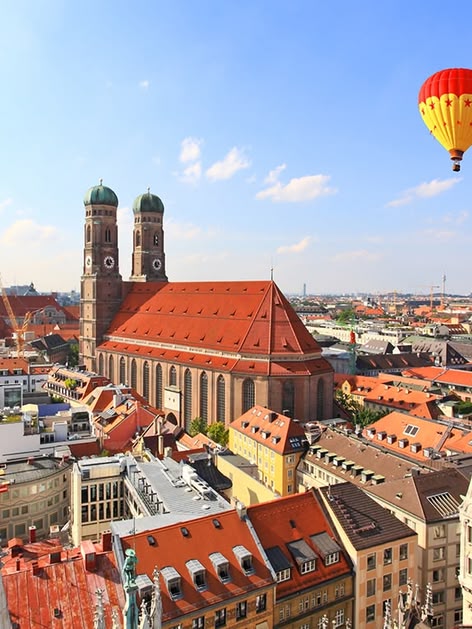
Munich is the capital of Bavaria and the wealthiest city in the country. It perfectly balances high-tech industry ("Laptops") with deep-seated Alpine traditions ("Lederhosen"). It is clean, safe, and sophisticated.
Must-See:
- Marienplatz: The city's central square, home to the New Town Hall and its famous animatronic Glockenspiel show.
- The English Garden: One of the world's largest urban parks. Head to the Eisbachwelle, a standing river wave where you can watch surfers perform tricks in the heart of the city.
- Deutsches Museum: The world's largest museum of science and technology-so vast you could spend days inside and still not see everything.
The Vibe: Gemütlichkeit at its finest. Life here revolves around the beer garden. Even if it's not Oktoberfest, a visit to the Hofbräuhaus for a liter of beer and a pretzel is a rite of passage.
Hamburg: The Gateway to the World
A gritty yet sophisticated port city in the north. Hamburg's identity is tied to the water, defined by its massive harbor, winding canals, and a legendary, rebellious spirit.
Must-See:
- Speicherstadt: The world's largest historic warehouse district. Built on oak piles, these red-brick buildings are a UNESCO World Heritage site and look stunning at night.
- Miniatur Wunderland: Located in the Speicherstadt, this is the world's largest model railway and is consistently voted Germany's #1 tourist attraction.
- The Fish Market (Fischmarkt): A Sunday morning tradition. If you can wake up by 5:00 AM (or stay out that late), you'll experience a loud, chaotic, and joyful market filled with live music and fresh seafood.
The Vibe: Maritime and mercantile. Don't miss the Elbphilharmonie, a glass-wave concert hall that has become the new architectural face of the city.
Cologne: The City with a Heart
Cologne (Köln) is known for having the friendliest and most open-minded locals in Germany. It is a city of Roman history, vibrant student life, and a fierce love for its local beer and its cathedral.
Must-See:
Cologne Cathedral (Kölner Dom): A masterpiece of High Gothic architecture. It took over 600 years to finish and houses the Shrine of the Three Kings. You can climb the 533 steps of the South Tower for an incredible view of the Rhine.
- Hohenzollern Bridge: Famous for the thousands of "love locks" attached to its railings. A walk across the bridge at sunset provides the most iconic photo of the Cathedral.
- The Old Town (Altstadt): A maze of colorful houses and traditional breweries where the local Kölsch beer flows freely.
The Vibe: Joyful and inclusive. If you visit in February, you will witness the "Crazy Days" of Carnival, where the entire city shuts down to party in costumes.
4. German Gastronomy: Bread, Beer, and Beyond
German food is often stereotyped as just sausage and potatoes. While those are excellent, the culinary landscape is far more nuanced.
The Brotkultur (Bread Culture) and Cuisine
German cuisine is far more than just the sausage and potatoes stereotype; it is a hearty, regional, and deeply comforting tradition built around high-quality local ingredients and centuries-old craftsmanship. At its core is a profound respect for Brotkultur (bread culture); with over 3,000 varieties of bread, a visit to a local Bäckerei for a fresh sourdough loaf or a pretzel is a non-negotiable daily ritual.
Must-Try Iconic Dishes
Schweinshaxe (Roasted Pork Knuckle): A Bavarian classic. It's a large, oven-roasted ham hock with incredibly crispy skin and tender meat, usually served with potato dumplings (Knödel) and sauerkraut.
Käsespätzle: Often called "German Mac and Cheese," this Swabian specialty consists of soft egg noodles layered with mountain cheese and topped with crispy fried onions. It is the ultimate comfort food.
Rouladen: Thinly sliced beef wrapped around bacon, onions, mustard, and pickles, then slow-cooked in a rich gravy. It's a staple of a traditional Sunday family lunch.
Weisswurst (White Sausage): A Bavarian breakfast legend made from minced veal and pork back bacon.
The Street Food Scene
Currywurst: A Berlin icon consisting of a steamed, then fried pork sausage sliced and covered in a spiced tomato ketchup and curry powder.
Döner Kebab: While it has Turkish roots, the modern Döner was perfected in Berlin. It is now arguably Germany's most popular fast food, featuring thinly sliced meat, fresh salad, and garlic sauce in a toasted flatbread.
The Sweet Life: Kaffee und Kuchen
Germans take their late-afternoon "Coffee and Cake" ritual seriously. You cannot leave without trying:
Schwarzwälder Kirschtorte (Black Forest Cake): Layers of chocolate sponge, whipped cream, and tart cherries, spiked with Kirschwasser (cherry schnapps).
Apfelstrudel: Flaky pastry filled with tart apples, raisins, and cinnamon, served warm with vanilla sauce.
Spaghettieis: A quirky favorite-vanilla ice cream pressed through a noodle machine to look like spaghetti, topped with strawberry "tomato" sauce and white chocolate "parmesan."
Beer and the Purity Law
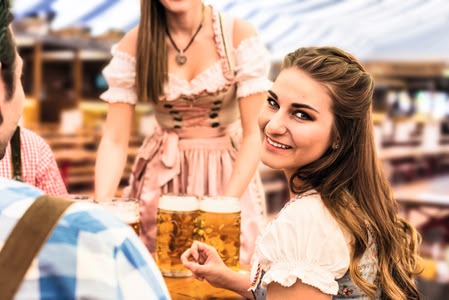
German beer is governed by the Reinheitsgebot (Purity Law) of 1516, which restricts ingredients to just four items: water, malt, hops, and yeast. This ensures a high-quality, chemical-free brew that varies wildly by region.
- Munich: The Helles. A bright, golden lager. It is malt-forward, refreshing, and the standard drink of Bavarian beer gardens.
- Cologne: The Kölsch. A light, crisp hybrid between an ale and a lager. It is served in small 0.2L glasses called Stangen.
The Rule: Waiters will keep bringing you fresh glasses until you place your coaster on top of your glass to signal you've had enough.
- Bamberg: The Rauchbier. A unique "smoked beer" where the malt is dried over open fires. It famously tastes like smoked ham or bacon.
Etiquette Tip: When clinking glasses and saying "Prost!", you must make eye contact with everyone at the table. Failing to do so is jokingly said to bring seven years of "bad luck" in your love life!
5. The Fairytale Route: Castles and Medieval Magic
Germany is the spiritual home of the "Fairytale Architecture" that famously inspired the wonders of Disney. For many travelers, standing before a real-life fortress is the ultimate highlight of their journey through the land of the Brothers Grimm.
Neuschwanstein Castle (Bavaria)
Perched precariously on a rugged hill near Füssen, Neuschwanstein Castle is the quintessential "Sleeping Beauty" castle. Commissioned by the "Mad King" Ludwig II, it was designed as a theatrical retreat rather than a military defense.
- Pro-Tip: For the best view, hike up to the Marienbrücke (Mary's Bridge). Note that tickets to see the interior sell out weeks (or sometimes months) in advance, so plan ahead.
Burg Eltz (Rhineland-Palatinate)
Often described as a hidden gem, this fortress is nestled in a lush, secluded valley near the Moselle River. Unlike most German castles, Burg Eltz was never destroyed by war; it remains exactly as it looked centuries ago and has been owned by the same family for over 850 years.
Rothenburg ob der Tauber (Bavaria)
This is not just a castle, but an entire living medieval town. Enclosed by massive 14th-century stone walls, its half-timbered houses and cobblestone streets are so well-preserved that walking through the town center feels like a trip back to the Middle Ages.
Don't Miss: The Night Watchman's Tour at dusk, which provides a spooky and humorous look at the town's history.
Did you know? There are over 25,000 castles scattered across Germany. While some are picturesque ruins, hundreds have been converted into luxury hotels or high-end youth hostels. This means you don't just have to look at history-you can actually sleep in a castle tower for a surprisingly affordable price.
6. Efficiency on the Move: Transport
Germany is world-famous for the Autobahn and the Deutsche Bahn (DB), but there are rules to the efficiency.
- Trains: The ICE (InterCity Express) is the high-speed rail that connects major cities. For budget travel, look for the Deutschland-Ticket or regional day tickets (Ländertickets).
- The Autobahn: Contrary to popular belief, not all of the Autobahn is speed-limit-free. Only certain sections have "recommended" speeds. Crucial Rule: Never pass on the right; it is strictly illegal and dangerous.
- Cycling: German cities are incredibly bike-friendly. In places like Münster or Berlin, the bicycle is often faster than the car.
7. Practical Tips and Cultural Etiquette
To enjoy Germany like a local, you need to understand a few unwritten rules.
Punctuality is Professionalism
If you have a tour booked for 10:00, being there at 10:01 is considered late. This applies to trains, social gatherings, and business meetings.
The Sunday Silence (Ruhetag)
Almost all shops, supermarkets, and pharmacies are closed on Sundays. Sunday is a day for family, hiking, or Kaffee und Kuchen (coffee and cake). Plan your grocery shopping for Saturday!
Recycling is a Sport
Germany has a complex recycling system. You will see colored bins for paper, plastic, bio-waste, and glass. Also, look for the word Pfand on bottles - you can return plastic and glass bottles to machines in supermarkets to get 8 to 25 cents back.
"Sie" vs. "Du"
When meeting locals, use the formal Sie unless invited to use the informal du. A simple Guten Tag (Good day) goes a long way.
Germany is a country that rewards those who look beyond the surface. Whether you are there for the history, the engineering, or the quiet beauty of a forest trail, you will find a nation that is both deeply rooted in tradition and constantly reinventing itself.
Summary
Germany rewards travellers who look beyond the surface: 16 distinct regions, four great and very different cities (Berlin for grit and history, Munich for Alpine tradition, Hamburg for the harbour, Cologne for its cathedral and warmth), a rich food and beer culture governed by the 1516 Purity Law, over 25,000 castles, and an efficient rail network to tie it all together. Add a little etiquette (punctuality, quiet Sundays, eye contact over a "Prost"), and you will find a nation both deeply traditional and constantly reinventing itself, and a rewarding place to learn German with SPRACHCAFFE.
FAQ
Berlin for history and culture, Munich and Bavaria for the Alps and beer gardens, the Black Forest and Rhine Valley for scenery, and Hamburg and Cologne for their distinct city life.
Late spring to early autumn brings mild weather and long days, ideal for cities and countryside. December is special for its Christmas markets, though winters can be cold.
World-class engineering, a deep love of nature and forests, classical music, efficient trains, and a strong culture of recycling and outdoor life, alongside its famous festivals.
Punctuality matters, as does directness in conversation, quiet on Sundays, separating recycling, and carrying cash, since not every place accepts cards.
A German course in Germany pairs lessons with everyday immersion in the culture.
Related news
Get the latest on travel, languages and culture