
Exploring China needs some planning, but the resulting experience of its vastness and diversity is unmatched anywhere else.
Dragons, Dumplings, and Digital Frontiers: The Ultimate Guide to China
1. A Geographic and Regional Tapestry
China is divided into distinct regions, often simplified as the North versus South divide, separated by the Yangtze River.
| Region | Major City | Cultural Highlights for Travellers |
| The North | Beijing | Imperial history, the Great Wall, and traditional hutongs. |
| The East | Shanghai | Global finance, "The Bund," and futuristic skylines. |
| The South | Guangzhou | Cantonese food, tropical landscapes, and tech hubs. |
| The West | Chengdu | Giant Pandas, silk road history, and spicy Sichuan soul. |
| Central | Xi'an | The Terracotta Army and ancient city walls. |
Fun Fact: China spans five geographical time zones, but the entire country officially operates on a single one: Beijing Time. This means in the far west, the sun might not rise until 10:00 AM!
2. Climate: From Ice Festivals to Tropical Palms
Because of its size, China's weather varies wildly. Picking the right time is crucial for your comfort.
| Season | Timeframe | Conditions | Travel Recommendation |
| Spring | March–May | Mild and fresh | Best for sightseeing. Perfect for the Great Wall or Guilin's rivers. |
| Summer | June–August | Hot and humid; rainy in the south | Peak season. Great for Tibet or high-altitude hiking, but very crowded. |
| Autumn | Sept–Oct | Crisp, clear skies | Golden Window. The most comfortable time for the entire country. |
| Winter | Nov–Feb | Freezing in the North; mild in the South | Budget Travel. Best for the Harbin Ice Festival or tropical Hainan. |
Expert Tip: Avoid Golden Week - a semi-annual, seven-day national holiday in China - most notably the National Day break from October 1-7. Created to jumpstart the economy, it triggers a massive surge in consumer spending and the world's largest seasonal migration, as hundreds of millions of people travel simultaneously to visit family or tourist landmarks.
For the rest of the world, Golden Week marks a total industrial standstill. Chinese factories, banks, and shipping ports shut down, often causing month-long ripples in global supply chains. If you're traveling or doing business during this window, expect sky-high prices, record-breaking crowds, and a complete pause on international trade coming out of the region.
3. China’s Big Four - Iconic Cities
Beijing & Shanghai: The Power Couple
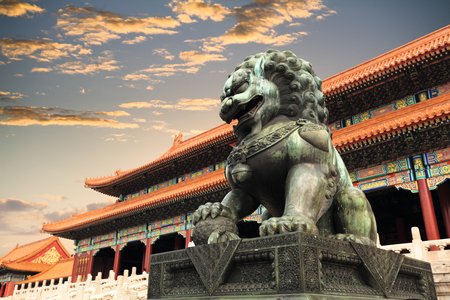
- Beijing (The Imperial Heart): This is the center of Chinese authority. It is defined by grand monuments like the Forbidden City and the Temple of Heaven. For a local feel, explore the Hutongs-ancient alleyways where traditional courtyard life still thrives amidst the modern sprawl.
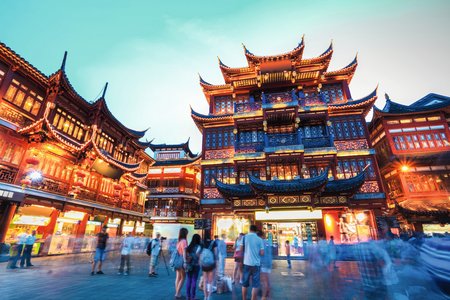
- Shanghai (The Future): A glamorous, high-octane metropolis. The city is split by the Huangpu River: one side features the colonial-era Bund, while the other, Pudong, boasts a futuristic skyline. It is the best place to experience China's cutting-edge fashion, nightlife, and smart city tech.
Xi'an & Chengdu: The Cultural Soul
- Xi'an (The Ancient Gateway): As the start of the Silk Road, Xi'an blends Chinese tradition with Middle Eastern influence. Beyond the Terracotta Army, the highlight is the Muslim Quarter, a vibrant maze of street food, and the Ancient City Wall, which remains fully intact and bikeable.
- Chengdu (The Capital of Chill): Famous for Giant Pandas and fiery Sichuan cuisine, Chengdu operates at a slower pace. The local "teahouse culture" encourages spending hours sipping tea and playing Mahjong in public parks, making it the most relaxed major city in the country.
Pro-Tip: These cities are perfectly connected by high-speed rail. You can travel from Beijing to almost any of these hubs in about 4.5 hours at speeds of 350 km/h!
4. Gastronomy: A Feast for the Brave
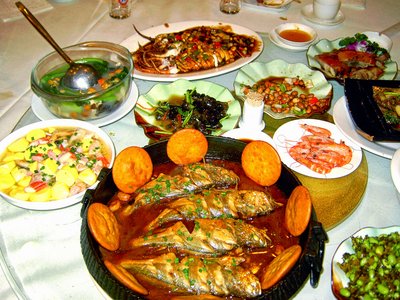

Chinese food is not a single cuisine; it's an umbrella for eight distinct regional styles. Forget what you know about takeout - this is a sensory explosion - here are five must-try dishes that showcase China's diverse flavors:
- Mapo Tofu (Sichuan): This is not the bland tofu you may know. It's a bold, spicy dish with soft tofu in a fiery sauce made from fermented black beans and ground pork. The numbing sensation from Sichuan peppercorns adds a unique touch you won't forget.
- Biang Biang Noodles (Xi'an): Named for the delightful smack of dough on the counter, these hand-pulled "belt" noodles are a joy to behold. Drenched in a symphony of garlic, chili flakes, and vinegar, they offer a chewy texture that's simply irresistible.
- Guo Bao Rou (Northeastern/Dongbei): A dream come true for sweet and savory enthusiasts, this dish features thinly sliced pork loin. Double-fried for ultimate crispiness, it's tossed in a vibrant, ginger-forward sweet and sour glaze that dances on your taste buds.
- Char Siu (Cantonese): This iconic honey-glazed BBQ pork is a masterpiece of slow-roasting. Caramelized to perfection on the outside, it remains tender inside-a dazzling gold standard in the world of Cantonese cuisine.
- Yangzhou Fried Rice (Jiangsu): Ditch the oily takeout; the authentic "King of Fried Rice" is a work of art. Tiny cubes of ham, shrimp, scallions, and eggs form a colorful medley, with each grain of rice distinct and touched by oil.
Pro Tips:
- Chopstick Etiquette: Never stick your chopsticks vertically into a bowl of rice; this resembles incense sticks at a funeral and is considered a bad omen.
- The Tea Tap: When someone pours tea for you, it's customary to tap your index and middle fingers twice on the table as a silent "thank you". This allows the conversation to continue without interruption.
- Dealing with Bones: Many authentic dishes are served on the bone to preserve flavor. Don't be shy-it is perfectly acceptable (and expected) to place small bones or shells on the tablecloth next to your plate or in a small provided "bone dish".
- Hydration Habits: Don't be surprised when you're served hot water or tea even in sweltering heat. Cold water is rarely provided at traditional restaurants unless specifically requested (bīng shuǐ).
5. Nature & Legends
China's landscapes look like they were painted by ancient gods.
Zhangjiajie: The Floating Peaks
These are not just mountains; they are over 3,000 narrow sandstone pillars, some taller than 200 meters.
- The Sea of Clouds: The best time to visit is right after a rainstorm. The mist wraps around the pillars, making them look like they float in the sky.
- The Engineering Marvels: To enjoy the views, you'll likely ride the Bailong Elevator, the tallest outdoor lift in the world, or walk across the Zhangjiajie Glass Bridge, hanging 300 meters above the canyon.
Guilin & Yangshuo: The Poetic Karsts
If Zhangjiajie is sharp and dramatic, the Li River is calm and peaceful. The Karst landscape formed over millions of years as water eroded limestone.
- The Li River Cruise: The 80km trip from Guilin to Yangshuo is a must-do. Watch for the Nine Horses Mural Hill - a cliff where spotting all nine horses in the rock patterns is said to indicate genius.
- Bamboo Rafting: In Yangshuo, enjoy a manual raft ride on the Yulong River. It's tranquil, free from motorboats, and you might see the "cormorant fishermen" using birds for fishing.
The Great Wall: Beyond the Tourist Trap
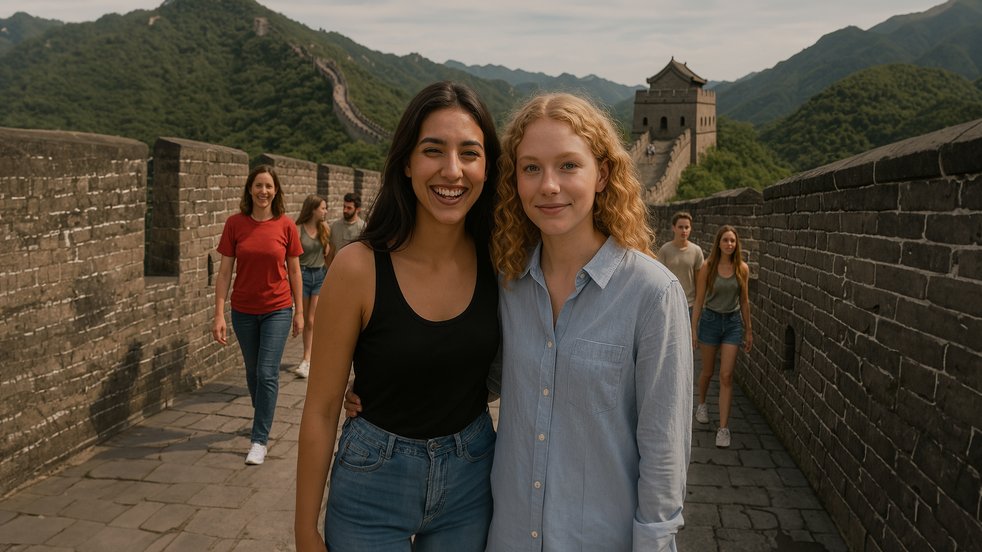
While many visit Badaling (which feels crowded), Mutianyu and Jinshanling offer an authentic "Great Wall experience" like in the movies.
- Mutianyu: This section is known for its lush greenery. The highlight? You can take a cable car to the top and ride a toboggan slide back down. It's great for those who want history mixed with excitement.
- Jinshanling: Perfect for hikers, this area is half-restored and half-ruined, showcasing the Wild Wall. The unique watchtowers provide stunning views of the Wall winding over the ridges.
Pro-Tip for Photographers: The light in these regions can be hazy. For Guilin, the best blue hour shots happen at sunrise from the Xianggong Hill viewpoint. In Zhangjiajie, the late afternoon sun on the yellow sandstone creates a golden glow.
6. Practical Tips for the Modern Traveler
Digital & Logistics
- The Payment Gap: Cash and physical credit cards are rare. Link your Visa or Mastercard to Alipay or WeChat Pay before you arrive. You'll use these for everything from street food to "Didi" (China's Uber).
- Connectivity: Use a roaming eSIM to bypass the Great Firewall automatically, or install a reputable VPN before landing to access Google, Instagram, and WhatsApp.
- The Passport is Key: Your passport is your universal ID. You'll need it to board high-speed trains, enter museums, and check into hotels. Keep it on you at all times.
Cultural Nuances
- Mastering the Face: Public outbursts or aggressive complaining will cause you to lose face, making people less likely to help you. A calm, patient smile is your most effective tool for resolving issues.
- Two-Handed Respect: When giving or receiving anything - business cards, gifts, or even a receipt - always use both hands. It's a simple gesture that signals high respect.
- Gift Taboos: If visiting a local, fruit is a perfect gift, but never give clocks (which symbolize death) or umbrellas (which symbolize the breaking up of a family).
China is a country that challenges you and rewards you in equal measure. It is massive, loud, beautiful, and undeniably the most significant cultural experience of the 21st century.
Related news

Get the latest on travel, languages and culture