
The Bavarian capital blends grand architecture, world-class museums and a famous beer-hall culture with one of the largest urban parks in Europe. Munich covers about 310 square kilometres, but most of the headline sights sit in or near the historic centre, so three to five days, or even a long weekend on your feet, is enough to see the best of it. Here are the top 10 things to do in Munich, plus a few ideas for a rainy day. It also makes a rewarding base if you are learning German with SPRACHCAFFE.
Top 10 Things to Do in Munich
The top 10 sights
From the central square to a royal palace and the world's most famous beer festival, these are the landmarks worth building a trip around.
| # | Attraction | What to see |
|---|---|---|
| 1 | Marienplatz | The city's main square since the 12th century, framed by the neo-Gothic Neues Rathaus (New Town Hall) and ringed with cafes and shops |
| 2 | Hofbräuhaus | The historic beer hall founded in 1589, the icon of Bavarian brewing culture |
| 3 | Alte Pinakothek | Old-master paintings from the Middle Ages to the 18th century, with works by Dürer, Rubens, Rembrandt and Raphael |
| 4 | Nymphenburg Palace | The Baroque summer residence of the Wittelsbach family, about 6 kilometres from the centre, with vast gardens and the Carriage Museum |
| 5 | The Glockenspiel | The carillon show on the Neues Rathaus, whose mechanical figures dance at 11am and noon, with an extra show at 5pm in summer |
| 6 | BMW Museum and BMW Welt | The story of Munich's most famous carmaker, from historic models to concept cars |
| 7 | Allianz Arena | The colour-changing home stadium of FC Bayern Munich, with behind-the-scenes tours |
| 8 | Munich Residenz | One of Europe's largest city palaces, with the Antiquarium hall and the royal Treasury |
| 9 | Oktoberfest | The world's largest beer festival, held from mid-September to early October |
| 10 | English Garden | One of the world's largest urban parks, famous for its beer gardens and the surfers riding the Eisbach standing wave |
A few extra notes. The Alte Pinakothek is one of three great galleries side by side, alongside the Neue Pinakothek and the Pinakothek der Moderne, so art lovers can spend a full day here. The Allianz Arena, designed by Herzog and de Meuron and opened in 2005, lights up red for Bayern matches and white for the German national team. And the English Garden's Eisbach wave draws surfers all year round, one of the most surprising sights in any European city.
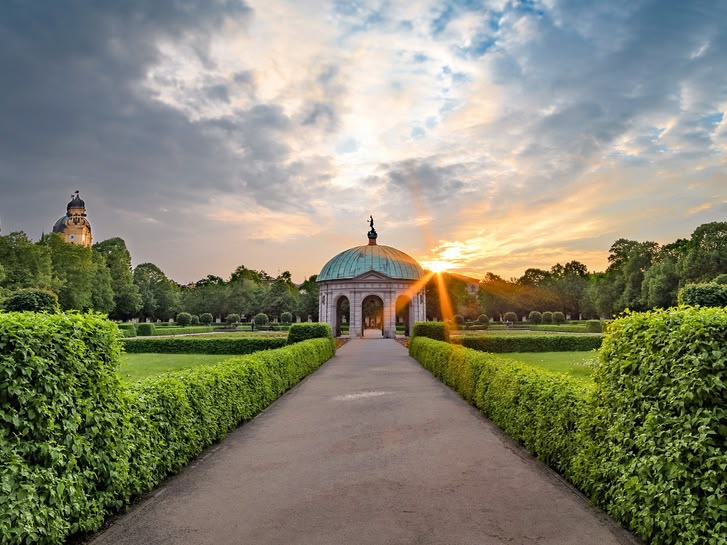
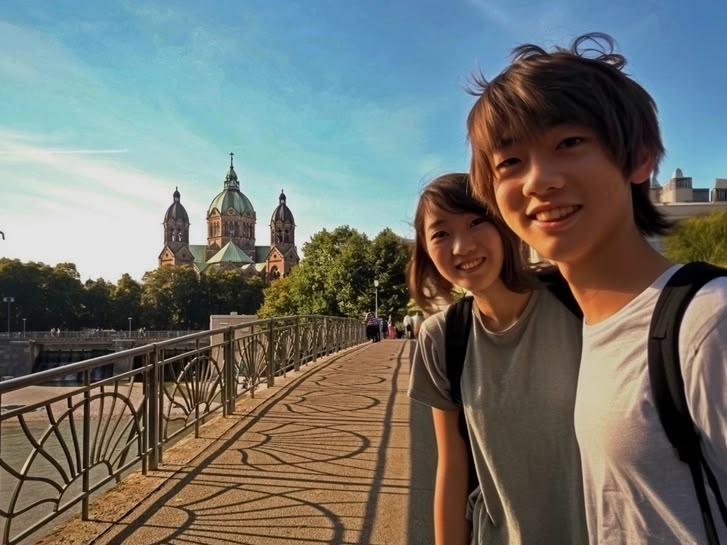
1. Marienplatz

Marienplatz is a must-see when exploring Munich: it's the city's main square and one of the liveliest and most central areas in all of Bavaria. Its name comes from the Mariensäule, a commemorative column dedicated to the Virgin Mary, which stands in the center of the square.
Surrounded by historic buildings, it has been a major cultural and tourist attraction since the 12th century. Its atmosphere is captivating and captures the spirit of the country: many of the city's main attractions are located here. Among these is the Neues Rathaus (New Town Hall), a magnificent neo-Gothic building with the famous Glockenspiel, a carillon clock that offers regular shows with moving figures recounting historical events and city legends.
Furthermore, the square is surrounded by shops, cafes, restaurants and stalls offering souvenirs and typical Bavarian products.
2. Hofbräuhaus
Munich, beer : this part of Germany is particularly known for this drink, not only for its deliciousness but also for what it means. Here, it's a true symbol!
And in this respect, the Hofbräuhaus is an institution: we're talking about a historic brewery and restaurant in Munich, renowned for its brewing tradition and cultural significance. Founded in 1589, this brewery has become an icon of Bavarian brewing culture and is especially renowned for its Hofbräu Original, its specialty.
It's a place that attracts both tourists and residents, offering an authentic experience of Bavarian beer culture: coming here is practically a must-see if you happen to be in Munich!
3. Alte Pinakothek
The Alte Pinakothek , meaning "Old Picture Gallery" in German, is one of the major art museums located in Munich, and one of the three important art galleries in the city along with the Neue Pinakothek (New Picture Gallery) and the Pinakothek der Moderne (Picture Gallery of Modern Art).
The Alte Pinakothek's collection focuses primarily on European art from the Middle Ages to the 18th century . It houses a vast and prestigious collection of paintings, sculptures, and other works of art, with masterpieces by renowned artists such as Albrecht Dürer, Rembrandt, Rubens, Leonardo da Vinci, Raphael, and many others.
The Alte Pinakothek is a fascinating place for art lovers and offers a unique opportunity to appreciate some of the most significant masterpieces of ancient European art. It is considered one of the world's leading museums for its collection of classical paintings and sculptures.
4. Nymphenburg Palace
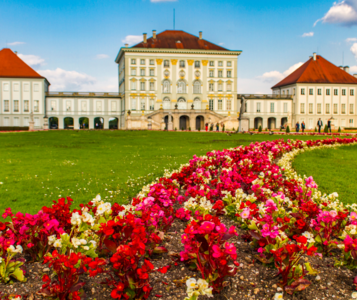
Nymphenburg Palace is one of Munich's main attractions and the historic summer residence of the Wittelsbach royal family. This magnificent palace is located about 6 kilometers from the city center and was built in the 17th century.
Surrounded by beautifully landscaped gardens featuring fountains, ponds, and extensive green spaces, the complex is composed of several wings and pavilions, each with its own architectural style and interior decoration.
One of the most impressive parts of the castle is the Carriage Gallery, which displays a collection of historic carriages and vehicles used by the royal family and the court. Furthermore, the palace's interior rooms, such as the Hall of Mirrors and the frescoed rooms, are magnificently decorated and offer a glimpse into aristocratic life in the past.
Today, the castle is open to the public and offers the opportunity to explore the palace interiors and gardens, as well as admire artwork, period furnishings, and historic architecture that represent the grandeur and charm of the Wittelsbach era.
5. Glockenspiel Carillon
The Glockenspiel is an iconic tourist attraction located in the Neues Rathaus (New Town Hall) and, as we saw before, is located in the city's main square, Marienplatz.
It's a carillon clock composed of a series of mechanical figures that come to life and dance to a traditional tune when the clock strikes. The performance takes place twice daily, usually at 11:00 and 12:00 (plus a third performance in the summer at 17:00), and attracts many tourists who gather in Marienplatz to watch the spectacle.
This spectacle is one of the city's most beloved and photographed attractions and offers visitors a taste of Munich's history and tradition.
6. BMW Museum
Anyone who dreams of discovering the most innovative and technological side of Munich cannot miss a visit to the BMW Museum, an iconic attraction: we are talking about a museum entirely dedicated to the history and evolution of the country's most famous automotive company, BMW.
The museum offers a comprehensive insight into the world of BMW, presenting a vast collection of historic vehicles, concept cars, motorcycles and other exhibits that showcase the company's innovation and technological development over the years.
In addition to its extensive vehicle collection, the BMW Museum offers visitors the opportunity to learn in-depth about automotive design , engine engineering, and the importance of sustainability in the modern automotive industry. It's a truly unique experience!
7. Allianz Arena
Football lovers cannot miss a visit to the Allianz Arena , the home stadium of FC Bayern Munich: it is one of the most recognizable architectural symbols of the city.
Opened in 2005 ahead of the 2006 FIFA World Cup, the Allianz Arena was designed by Herzog & de Meuron and is notable for its exterior structure covered in transparent panels that can change color, illuminating the building red for Bayern Munich games, blue for TSV 1860 Munich games, and white for German national team matches.
It's not just a football venue, but also a popular tourist attraction, offering guided tours that allow visitors to explore the changing rooms, tunnels, and interior of the stadium, offering a magical behind-the-scenes experience.
8. Residence
The Munich Residenz , or Münchner Residenz in German , is an imposing architectural complex that served as the official residence of the Bavarian monarchs for several centuries. It is one of the largest Renaissance and Baroque urban palaces in Europe.
Consisting of several wings and courtyards displaying a variety of architectural styles, from Renaissance works to Baroque, Neoclassical, and Rococo decorations, the Residenz houses a vast collection of artwork, furnishings, paintings, sculptures, tapestries, and other precious items that represent the prestige and luxury of the court of the Bavarian sovereigns.
Highlights of the visit include the Antiquarium , a Renaissance-era dining hall, the Grottenhof with its artificial rock decoration, and the Royal Chapel, an example of Baroque architecture. The Residenz also houses the Residence Treasury, which houses a rich collection of jewelry, precious objects, and ornaments.
9. Oktoberfest
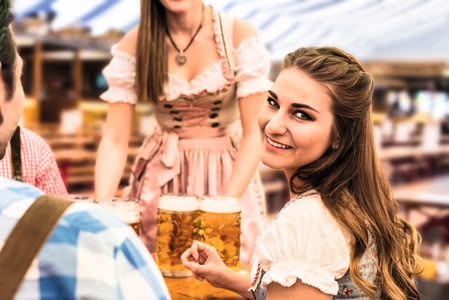
Continuing the topic of beer, how can we not think of Oktoberfest as a German festival? And especially Munich, the city where this festival originated.
This is one of the largest beer festivals in the world, held annually between mid-September and early October, lasting about two weeks. It's a hugely popular celebration, attracting thousands of visitors from around the world, and features large tents housing beer halls, food stalls selling traditional foods like pretzels, sausages, and roast chicken, stages with live music, dancing, and all kinds of entertainment.
Visiting Munich at this time of year will allow you to fully experience the city's festive, welcoming spirit: don't miss this opportunity!
10. English Garden
One of the peculiarities of Munich is that it has one of the largest urban parks in the world , and it is located right in the heart of the city: we are talking about the English Garden, or Englischer Garten in German.
Created in the 18th century, the park extends over a vast area of over 375 hectares and offers city residents and visitors a vast and pleasant green space to explore, perfect for enjoying the warmth of the sun during the summer and dedicating time to relaxation, fun, and picnics.
The English Garden is also famous for its scenic beauty: its well-kept lawns, ancient trees, streams, and above all the Eisbach River that flows through it create a fairytale setting, perfect for forgetting all your worries and dreaming a little.
Best Things to Do in Munich on a Rainy Day
There are so many things to see in Munich, but what to do if it rains?
Of course, one of the activities you can easily do even in bad weather is museum visits: whether it's the Alte Pinakothek, the BMW Museum, or other incredible structures like the Deutsches Museum (Museum of Science and Technology), you can retreat inside and enjoy long indoor visits, exploring the most cultural part of the city.
Otherwise, you can indulge in some healthy indoor shopping in the most famous shopping malls like the Fünf Höfe or Kaufingerstraße. Meanwhile, cinemas and theaters are always open for unmissable performances, even in the rain. Of course, in that case, leaving after an online German course might be a good idea, but otherwise you'll understand very little!
And why not treat yourself to a little relaxation instead? If it rains in Munich, you can visit the thermal baths or indoor pools like the Müller'sche Volksbad or the Dantebad for a refreshing dip or a pleasant sauna session.
In short, even when it rains, Munich offers several interesting activities and indoor venues that allow you to continue exploring and enjoying the city.
Summary
The top things to do in Munich run from Marienplatz and the Hofbräuhaus in the centre to Nymphenburg Palace and the Munich Residenz, the Alte Pinakothek and the BMW Museum, the Allianz Arena, and the vast English Garden, with Oktoberfest each autumn as the seasonal highlight. Three to five days covers the best of it, museums and baths make good rainy-day options, and the city is an enjoyable base for learning German with SPRACHCAFFE.
FAQ
Munich's highlights include Marienplatz and its glockenspiel, the Residenz palace, the English Garden, the Viktualienmarkt food market and the museums of the Kunstareal. The city mixes Bavarian tradition with a relaxed, green feel.
Late spring and early autumn bring mild weather and fewer crowds, while late September to early October is Oktoberfest. Winter offers Christmas markets, so the best time depends on what you want from the trip.
Two to three days covers the main sights comfortably, with time for a beer garden and a stroll in the English Garden. A longer stay allows day trips to Neuschwanstein Castle or the nearby Alps.
On rainy days in Munich, museums such as the Alte Pinakothek, the BMW Museum and the Deutsches Museum are ideal. Other good indoor options include shopping at the Fünf Höfe, going to the cinema or theatre, and visiting the Müller'sche Volksbad or the Dantebad for a swim or a sauna session.
Related news
Get the latest on travel, languages and culture