
Phonetics Basics: Reading Transcription
Phonetic Terminology
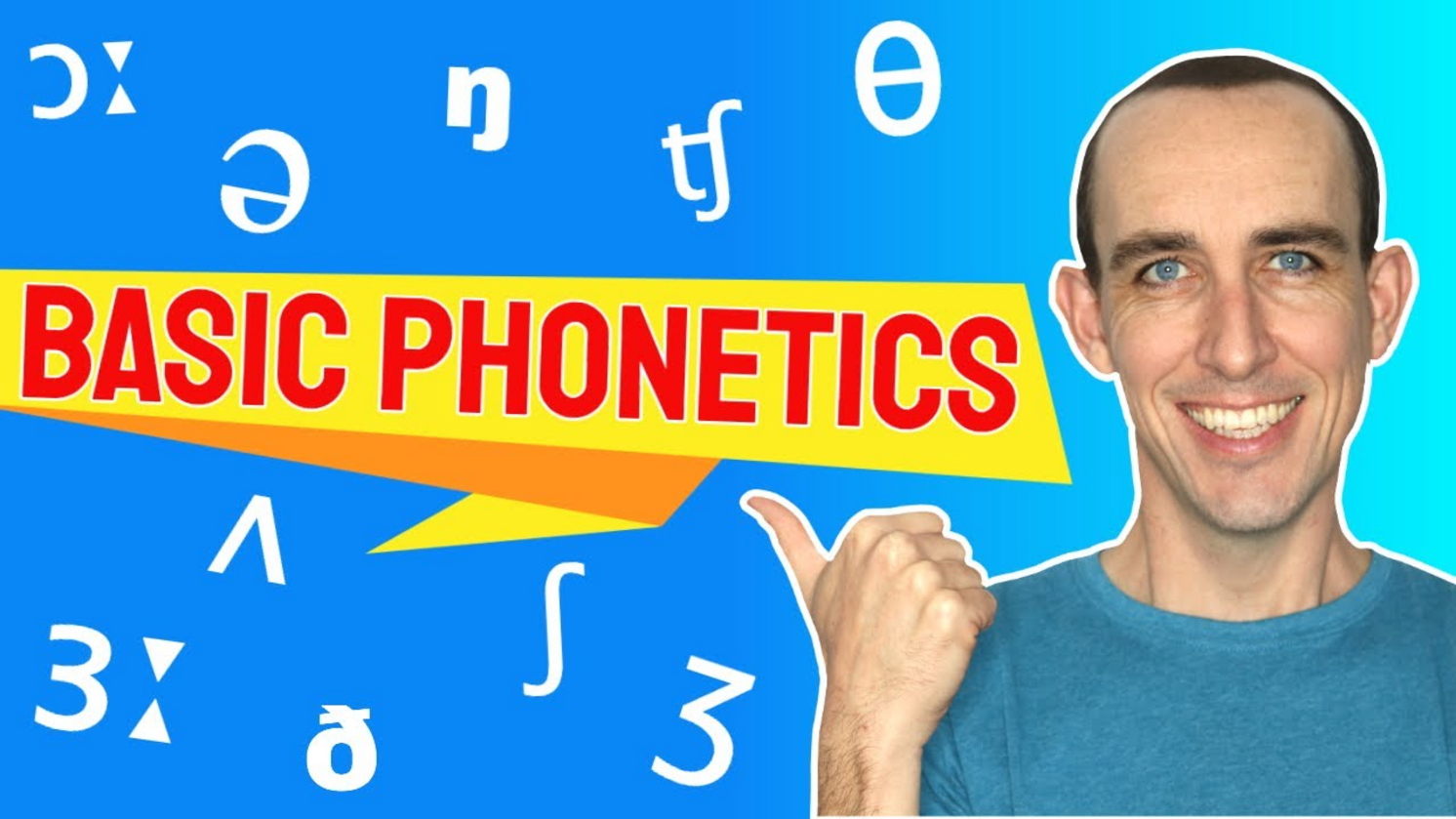
When you look up a foreign word, it usually comes with strange-looking symbols in square brackets: that is phonetic transcription, a way of writing down exactly how a word sounds. It uses the International Phonetic Alphabet (IPA), where one symbol always stands for one sound. Learning to read it is one of the most useful investments you can make in your pronunciation. This guide from SPRACHCAFFE explains the key terms, the main symbols, and how the same word looks across four languages.
What phonetic transcription is
Phonetic transcription represents the actual sounds of speech in a standard, accurate way, independent of ordinary spelling. Because a single letter can be pronounced in several ways (the "o" in do, no, and not all differ), the IPA gives each sound its own dedicated symbol. That is what makes it universal: it can note down almost any sound in any language.
Manners of articulation (how a sound is made)
- Plosives (stops): the airflow is fully blocked, then released. English has /p/ and /b/ (bilabial), /t/ and /d/ (alveolar), /k/ and /g/ (velar).
- Fricatives: the air is squeezed through a narrow gap, creating friction, as in /f/ (fun), /s/ (snake), and /ʃ/ (shoe).
- Affricates: a plosive followed immediately by a fricative, as in /tʃ/ (church) and /dʒ/ (jump).
- Nasals: the air flows out through the nose, as in /m/ (man), /n/ (nice), and /ŋ/ (sing).
Places of articulation (where a sound is made)
- Bilabial (both lips): /p/, /b/, /m/. - My mum makes many muffins on Mondays.
- Labiodental (top teeth on bottom lip): /f/, /v/.
- Dental / interdental (tongue at or between the teeth): /θ/ (think), /ð/ (this).
- Alveolar (tongue at the tooth ridge): /t/, /d/, /s/, /z/, /n/, /l/.
- Postalveolar / palatal (tongue near the hard palate): /ʃ/ (shoe), /ʒ/, /j/ (yes).
- Velar (tongue at the soft palate): /k/, /g/, /ŋ/ (sing).
- Uvular (tongue near the uvula): the French /ʁ/ in rue.
- Glottal (in the throat, at the glottis): /h/ (hat) and the glottal stop /ʔ/ (the catch in uh-oh).
- Labial-velar: /w/ (we) uses both the lips and the velum, so it is not purely bilabial.
Learn British in England


Some common IPA symbols
Vowels (illustrated with English):
| Symbol | Description | Example |
|---|---|---|
| [iː] | high front vowel | see, meet, bee |
| [ɪ] | near-high front vowel | sit, bit |
| [ɛ] | mid front vowel | bed, head |
| [æ] | open front vowel | cat, trap |
| [ɔː] | mid-low back vowel | thought, law |
| [uː] | high back vowel | too, blue, flute |
Consonants:
| Symbol | Description | Example |
|---|---|---|
| [p] / [b] | voiceless / voiced bilabial plosive | pin / bin |
| [t] / [d] | voiceless / voiced alveolar plosive | tap / dog |
| [k] / [g] | voiceless / voiced velar plosive | cat / go |
| [m] / [n] / [ŋ] | nasals | man / nose / sing |
| [f] / [v] | voiceless / voiced labiodental fricative | fun / van |
| [s] / [z] | voiceless / voiced alveolar fricative | sun / zoo |
| [ʃ] / [ʒ] | voiceless / voiced postalveolar fricative | shock / measure |
| [h] | voiceless glottal fricative | hat, house |
| [ʔ] | glottal stop | uh-oh |
| [j] / [w] / [l] | approximants | yes / we / light |
The same idea, four languages
Because a sound can differ slightly from one language to the next, transcription varies by language. Here is how a few words look:
- English: Cat [kæt] · Telephone [ˈtɛlɪfoʊn] · Water [ˈwɔːtə] · Language [ˈlæŋɡwɪdʒ] · Beautiful [ˈbjuːtɪfəl]
- Spanish: Gato [ˈɡato] · Teléfono [teˈlefono] · Agua [ˈaɣwa] · Idioma [iˈðjoma] · Hermoso [erˈmoso]
- German: Katze [ˈkatsə] · Telefon [teleˈfoːn] · Wasser [ˈvasɐ] · Sprache [ˈʃpʁaːxə] · Schön [ʃøːn]
- French: Chat [ʃa] · Téléphone [telefɔn] · Eau [o] · Langue [lɑ̃ɡ] · Beau [bo]
Phonetics or phonology?
The two fields are closely linked but distinct. Phonetics studies concrete sounds and how they are physically produced. Phonology studies the abstract system, how a given language organises those sounds into patterns that change meaning.
Why it is worth learning
A basic grasp of phonetic transcription pays off: it gives you precise pronunciation, sharpens your ear (phonetic sensitivity), reduces misunderstandings, helps with accent reduction and dialects at higher levels, and lets you check the pronunciation of a new word on your own, without needing a native speaker beside you.