
Anglicisms in German
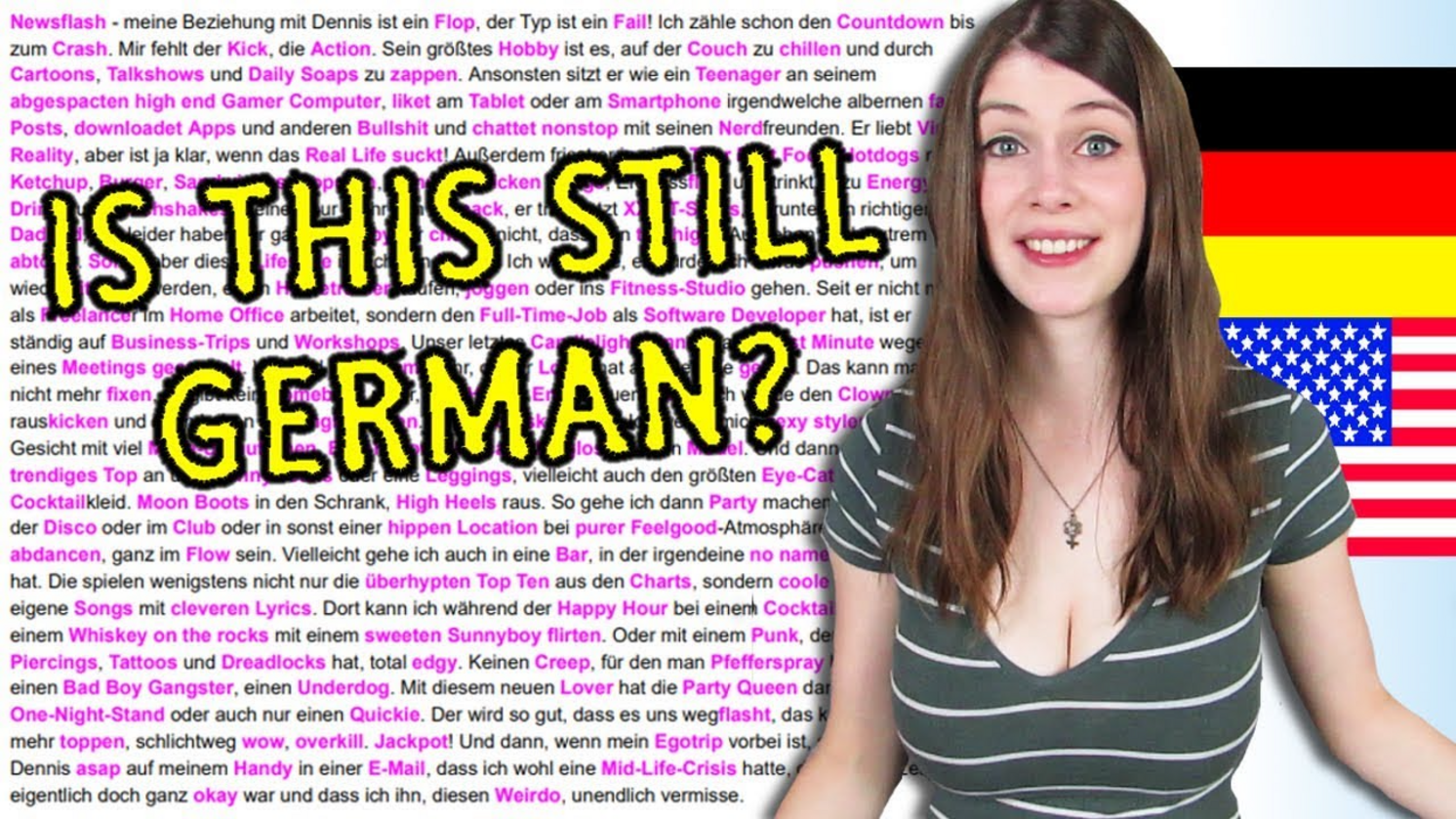
Common Origins
The historical connection between English and German begins with their shared roots in the Germanic language family. Both languages descend from a common Germanic ancestor spoken by tribes in what is now Germany and England.
Throughout history, various cultural exchanges and historical events have played a crucial role in the introduction of English words into the German vocabulary. For example, during the Middle Ages, there was a lively exchange between Anglo-Saxons and Germanic tribes on the European continent. This exchange of people, ideas, and languages laid the foundation for future linguistic borrowings.
In recent decades, globalization and technology have accelerated the influx of English words into the German language. The global dominance of English in business, science, and the internet has made it a lingua franca, influencing the vocabulary of many languages worldwide. With the flourishing of international communication and trade, English words have seamlessly integrated into German, reflecting the interconnectedness of our modern world.
The historical context of English words in German offers valuable insights into the ongoing development of both languages and reveals the complex interplay of culture, history, and technology. In the following sections, we will examine in more detail how these loanwords have become an integral part of everyday German vocabulary and explore their adaptation and cultural impact.
Examples of Anglicisms in Everyday German
Los prestamos lingüísticos del inglés más comunes


The most common linguistic loanwords from English
The influence of English on the German language is most evident in certain categories and reflects the areas where English-speaking culture has had the greatest impact.
Three common categories are technology, economics, and popular culture.
- Technology: English words such as "computer", "software" and "Internet" have been seamlessly integrated into the German technology lexicon, reflecting the dominance of English-speaking countries in the digital world.
- Economics: Terms such as "marketing", "management" and "sales" have been adopted into German economic discourse and are often used interchangeably with their German equivalents.
- Pop culture: The entertainment industry contributes significantly to the influx of English words.
Words like "weekend," "fashion," and "party" are widespread in everyday German, especially among the younger generation.
Examples of Anglicisms
The influence of English on the German language is most evident in certain categories and reflects the areas where English-speaking culture has had the greatest impact. Three common categories are technology, economics, and popular culture.
- Technology: English words such as "computer", "software" and "Internet" have been seamlessly integrated into the German technology lexicon, reflecting the dominance of English-speaking countries in the digital world.
- Economics: Terms such as "marketing", "management" and "sales" have been adopted into German economic discourse and are often used interchangeably with their German equivalents.
- Pop culture: The entertainment industry contributes significantly to the influx of English words. Words like "weekend," "fashion," and "party" are widespread in everyday German, especially among the younger generation.
Pronunciation
An interesting aspect of German Anglicisms is how they are adapted to the German phonological system. German speakers often change the pronunciation to fit German phonetics, leading to variations in the pronunciation of these words. For example:
- In German pronunciation, "computer" becomes "Kuhm-pew-ter".
- "Marketing" can be pronounced as "Mah-ket-ing" in the German context.
- "Party" is pronounced "Par-tee" with a German accent.
These adaptations help ensure that these linguistic borrowings blend seamlessly into the rhythm and sounds of the German language without losing their English origins.
Anglicisms in everyday German are an example of the linguistic fusion of the two languages and demonstrate the dynamics of language and the influence of global communication. In the following sections, we will examine how English words adapt to German grammatical structure and what cultural effects this linguistic exchange has.

Notable Exceptions

Certain German words may resemble English words in sound or appearance, but have a completely different meaning.
- Rock = "Rock" not "Fels".
- large = "big" not "disgusting".
- womit = "womit", not "vomit".
- Letter = "letter" not "short".
- Boat = "boat" not "boot".
- hell = "bright" not "hell".
- Bad = "bathroom" not "bad".
- good = "good" not "intestine".
- Trip = "trip" not "fart".
- Gift = "poison" not "gift".
Adaptation and Integration
Adaptation to the German Grammatical Structure
When English words are adopted into the German language, they are often adapted to German grammatical structure. This process includes changes to word endings, noun genders, and verb conjugations. For example:
- Word endings: German nouns and adjectives typically change their endings depending on the case (nominative, accusative, dative, genitive). English loanwords are adapted to these changes to ensure they harmonize with the grammatical structure of the sentence.
- Gender of nouns: German nouns have a grammatical gender (masculine, feminine, neuter), while English does not have this feature. When adopting English nouns, German speakers assign genders based on phonetic similarity or analogy to existing German words.
- Verb conjugations: English verbs, which have relatively simple conjugations compared to German, can be integrated into German verb patterns to conform to the grammatical rules of the language.
Flexion and Gender Assignment
- The English word "computer" is assigned the neuter gender (das Computer) because it is inherently genderless and "das" corresponds to the neuter gender in German.
- "Job" retains its gender (masculine) because its pronunciation is very similar to other masculine German nouns and it follows the regular declension pattern for masculine nouns.
- "Email" follows the German grammatical rules for feminine nouns, therefore "die Email".
- Gender assignment can vary depending on the region, and some loanwords can have different genders in different dialects of German.
New Meanings and Nuances
Besides adapting to German grammar, English loanwords often acquire new meanings or nuances in a German context. These semantic changes can be influenced by cultural differences or the need to fill linguistic gaps.
- "Handy" originally referred to a mobile phone, but has expanded to include all portable electronic devices such as tablets and smartphones.
- In German, "Job" can also refer to temporary or part-time work, which is a broader usage compared to its English counterpart.
- In German, "Meeting" can be used not only for formal business meetings but also for informal social gatherings.
These nuances illustrate the dynamic nature of language and how loanwords evolve to meet the linguistic and cultural needs of their adoptive language.
The adaptation and integration of Anglicisms into German demonstrates the flexibility and creativity of the language as it evolves and responds to changing circumstances. In the next section, we will examine the cultural implications of this linguistic exchange and its impact on German society.
Cultural Impacts
- Adoption of English Words into German
The adoption of English words into the German language has significant cultural implications. It reflects the widespread influence of English-speaking cultures, particularly those of the United States and the United Kingdom, on German society. These linguistic borrowings demonstrate Germany's openness to adopting foreign concepts and ideas.
- Cultural Trends and Globalization are reflected
The use of Anglicisms in German is a clear expression of cultural trends and the forces of globalization. Since English is the lingua franca of international business, technology, and entertainment, the adoption of English words in these areas underscores Germany's integration into the global economic and cultural sphere. It also points to the need for international communication in a networked world.
Furthermore, the spread of English in these areas has led to a natural integration of English words and phrases into everyday life. For example, terms like "selfie," "email," and "laptop" are common in German usage, highlighting the seamless fusion of English and German in modern culture.
- Resistance and Counter-current
While many Germans readily adopt Anglicisms, there is also resistance and opposition to the use of English words in German, particularly among language purists and advocates of language preservation. They argue that the excessive use of English loanwords undermines the purity and richness of the German language.
Some language purists actively advocate for the use of German equivalents for English words, while others urge that the preservation of their mother tongue be given priority. This debate between language purists and those who view the adoption of English as a natural development reflects the tension between tradition and modernity in German society.
In summary, the cultural impact of English words in German illustrates Germany's global interconnectedness, its adaptability to changing linguistic landscapes, and the ongoing debate about the influence of English on the German language.
This linguistic exchange, even if sometimes controversial, reflects the dynamism and adaptability of languages in the face of cultural and technological change. In the final section of this article, we will examine how the English language has influenced the overall development of the German language.
The Influence of English on the German Language
The influx of English words has undoubtedly influenced the development of the German language. It has led to changes in vocabulary, syntax, and linguistic creativity, reflecting the dynamic nature of the language.
- Formation of German Syntax and Vocabulary
The influence of English has led to changes in German sentence structure and word order, as English generally prioritizes brevity and simplicity. German speakers often adopt English sentence structures and prefer shorter, more direct expressions. This phenomenon is particularly noticeable in business communication and digital media.
Furthermore, English has enriched the German vocabulary and filled gaps in areas where English has a larger vocabulary. For example, there are often no direct German equivalents for English terms related to technology and the internet, leading to the adoption of Anglicisms to convey certain concepts.
- Linguistic Creativity and Mixing
The influence of English has also fostered linguistic creativity in German. Language users sometimes mix English words with German elements to create new hybrid expressions. This blending, known as "Denglisch" (an abbreviation for "Deutsch" and "Englisch"), is evident in the playful and informal language frequently found in advertising, branding, and pop culture.
- Advantages and Disadvantages
The influence of English on German:
Advantages & Disadvantages
Advantages
- It facilitates international communication and trade.
- It expands the German vocabulary and makes it possible to express new concepts precisely.
- It reflects Germany's adaptability and openness to global influences.
Disadvantages
Disadvantages
- Concerns regarding the purity of the language and the possible loss of cultural identity.
- This can lead to communication gaps between generations or between people who are less familiar with English.
- It can contribute to the erosion of traditional German expressions and cultural peculiarities.
In short, the influence of English on the German language exemplifies the constant evolution of linguistic landscapes.
While it presents challenges regarding the preservation of language and identity, it also offers advantages in terms of adaptability and effective communication in the modern world. The ongoing dialogue between language purists and advocates of linguistic development continues to shape the trajectory of the German language.
Conclusion

In summary, this article has examined the fascinating phenomenon of English words in the German language. We have learned how historical, cultural, and technological factors have shaped this linguistic exchange.
The continued influence of English on German underscores its crucial role in a globalized world, facilitating international communication and adaptability. Even amidst debates and concerns regarding the purity and identity of languages, the richness of linguistic diversity resulting from intercultural interactions should be celebrated.
In this ever-evolving linguistic landscape, harnessing the synergy of languages and their dynamic development is a testament to our ability to adapt and thrive in an interconnected world. Like culture, language reflects our shared human experience, constantly evolving to meet the challenges of our time. Anglicisms are incredibly important in this regard, enabling us to thrive in an increasingly globalized world and to revitalize language by introducing new, universally understood terms.