Here, languages collide, blend and live side by side, which is exactly what makes Malta one of the most fascinating places in Europe to experience language up close. Once you know the languages of Malta, you understand the island itself a little better too.
The Languages of Malta
What Languages Are Spoken in Malta?
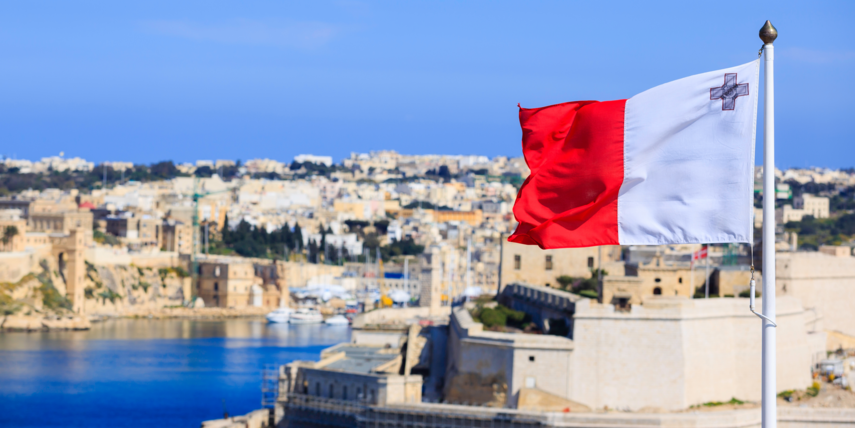
Malta has two official languages, Maltese and English, and both are used side by side in daily life, schools and the media. Italian is the unofficial third language: no longer official, but woven into everyday life.
More than 40 % of Maltese people speak it fluently, watch Italian television and pop over to Sicily for the weekend. For a visitor, this means you will get by with surprising ease: English is enough for any situation, a few words of Maltese earn you smiles, and if you speak Italian you often find the fastest shortcut to a local heart.
English in Malta: The Global Language as Everyday Reality
Ever wondered why people travel from all over the world to learn English in Malta?
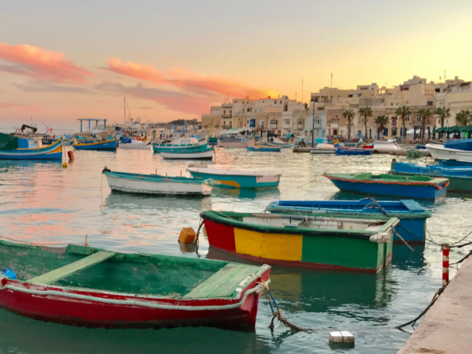
The answer lies in history: from 1800 to 1964 Malta was a British colony, and what the British left behind is not just left-hand traffic and red phone boxes but a language almost everyone on the island speaks fluently. Around 88 percent of Maltese people speak English, many at native level; children learn both languages from primary school, universities teach in English, parliament debates in English, and laws are bilingual.
For a traveller, that makes Malta one of the best places in Europe to speak English without feeling self-conscious. Order a pastizzi in English, ask for directions on the bus, chat with your host family, everyone is used to speaking with learners and is patient and friendly.
The Maltese Language: The Island's Secret Heart
While English is everywhere, the true soul of the island beats in Maltese. The Maltese language, called "Malti" on the island, is the mother tongue of essentially 100 percent of the population. It's part of their identity, the jokes on the street, the songs on the radio, the muttered complaints in the market.
And linguistically, it's a small miracle. Maltese is the only Semitic language in the European Union. Its roots lie in Arabic, but over centuries it absorbed Sicilian, Italian, and English words. It's written in the Latin alphabet. Sounds confusing? It is. But that's exactly what makes it magical.
When you hear "Bonġu!" on Malta, you're hearing a greeting with Sicilian roots. When someone says "Iva" for "yes," you're catching an echo of Arabic. And when you learn that Monday is "It-Tnejn," you're holding a piece of Mediterranean history in your mouth. The Maltese language origin story is essentially the story of every empire that ever wanted this island, and that's quite a few.
Italian: The Quiet Third Voice
Sicily lies just 90 kilometres away. So of course Italian feels at home in Malta. The Knights of St John brought the language to the island in 1530, and it stuck around for centuries. From 1934 to 1936, Italian was even an official language, until the British removed it for political reasons during the rise of fascism.
Today, more than 40 percent of Maltese people speak Italian fluently. Italian television is everywhere, Italian restaurants line the main streets, Italian tourists arrive every weekend. If you already speak Italian, Malta opens an entirely different door.
The History Behind the Languages
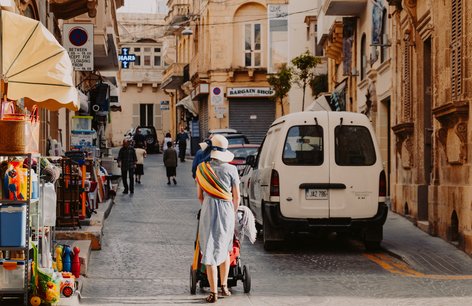
Why does a country this small speak three languages at once? The answer lies in 2,000 years of history. Phoenicians, Romans, Arabs, Normans, the Knights of St John, Napoleon, the British. Each left their mark. Each left a few words behind.
The Arab period, beginning in 870 AD and ending with the Normans around 1090, shaped the vocabulary most deeply. The Italian period brought elegance, administrative language, and the cultural closeness with Sicily that you can still feel today. The British era brought the school system, the postal service, and the English you hear everywhere now.
These languages aren't tourist decoration. They're the living echo of an island that everyone wanted, because its location was too strategic, its harbour too deep, and its sun too generous to ignore.
Explore Malta and improve English
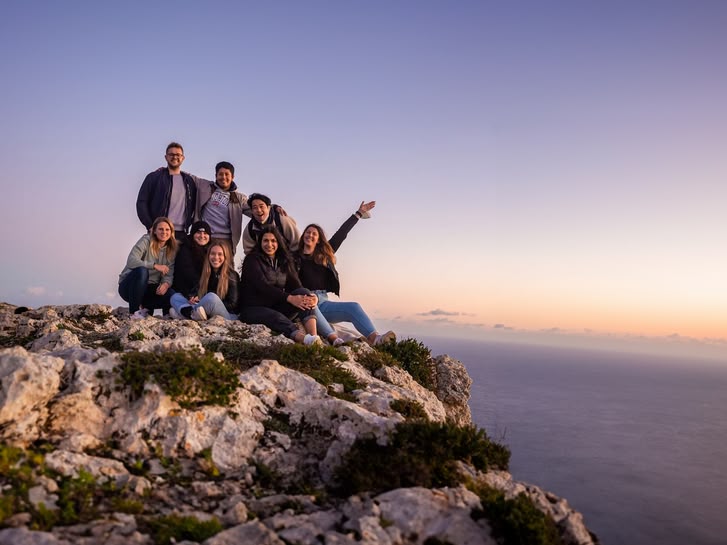
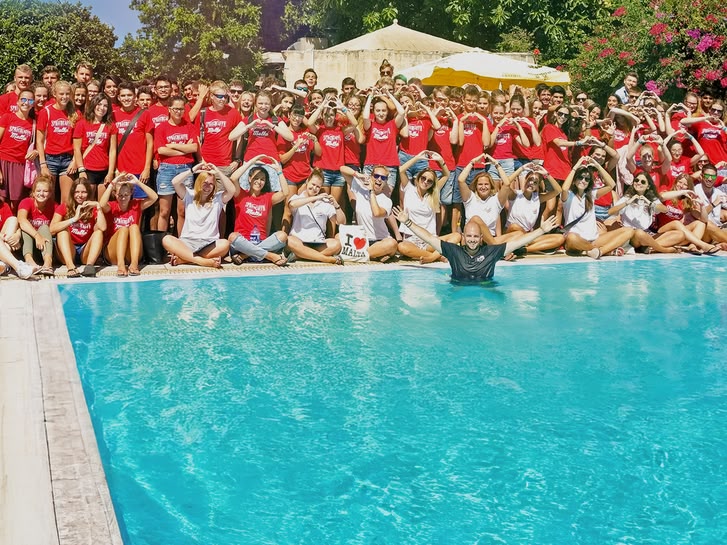
Is a Language Trip to Malta Worth It?
The short answer is yes. Malta is one of the world's most popular destinations for English learners, for good reasons. First, the weather: while you battle November drizzle at home, you are in a t-shirt by the harbour in Malta. Second, the atmosphere: your class might include learners from Italy, Spain, Brazil, Japan and Germany, and by Friday you are sharing pizza on the beach with twenty new friends from twenty countries. Third, the value: learning English in Malta costs noticeably less than London or Dublin without sacrificing quality.
At SPRACHCAFFE, Malta has been one of our most loved destinations for decades, combining real teaching, an international community and Mediterranean ease into something that barely feels like work.
Maltese for Beginners: 20 Words You Should Know
You don't need to speak Maltese to feel welcome on the island. But a handful of words will open doors, hearts, and occasionally even a free glass of wine. Here are the essentials of Maltese language basics:
| English | Maltese |
| Hello | Hallo |
| Good morning | Bonġu |
| Good night | Il-lejl it-tajjeb |
| Goodbye | Insellimlek / Sahha |
| Thank you | Grazzi |
| You're welcome | Xejn |
| Excuse me | Skużi |
| Please | Jekk jogħġbok |
| Yes | Iva |
| No | Le |
| Maybe | Forsi |
| Hospital | Sptar |
| Bank | Bank |
| Shop | Ħanut |
| House | Dar |
| Street | Triq |
| How are you? | Kif inti? |
| My name is... | Jiena jisimni... |
| The bill | Il-kont |
| How much? | Kemm? |
Numbers 1 to 10 in Maltese: Wieħed, Tnejn, Tlieta, Erbgħa, Ħamsa, Sitta, Sebgħa, Tmienja, Disgħa, Għaxra.
The days of the week in Maltese: It-Tnejn (Monday), It-Tlieta (Tuesday), L-Erbgħa (Wednesday), Il-Ħamis (Thursday), Il-Ġimgħa (Friday), Is-Sibt (Saturday), Il-Ħadd (Sunday).
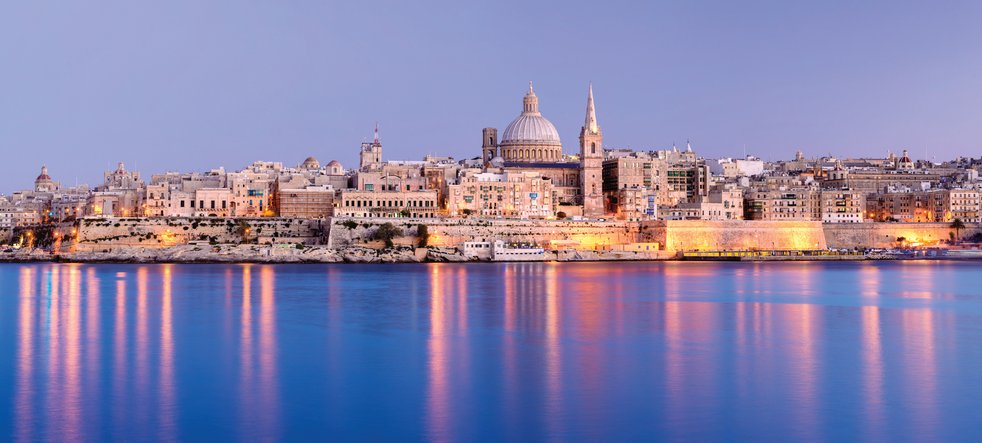
More Than Just a Language to Learn
Malta is small. 316 square kilometres, just over half a million people, three inhabited islands. But linguistically, Malta is huge. In a single café you'll hear three languages, three accents, three cultures bumping shoulders. To understand Malta is to understand how Europe actually sounds when it forgets to perform: messy, layered, curious about itself.
So when you're thinking about your next trip, think about Malta. Pack a few Maltese phrases, trust your English, let the Italian warmth carry you. You won't just come home with a better accent. You'll come home with a notebook full of stories, a handful of new friends from across the globe, and the quiet feeling that you weren't quite done there yet.
Malta is calling. In three languages at once.
Summary
Malta is small, just over 300 square kilometres and half a million people, but linguistically it is huge. In a single café you can hear three languages, three accents and three cultures rubbing shoulders. To understand Malta is to hear how Europe actually sounds when it forgets to perform: messy, layered and curious about itself. Pack a few Maltese phrases, trust your English, and let the Italian warmth carry you.
A language trip to Malta with SPRACHCAFFE sends you home with a better accent, a notebook full of stories and friends from across the globe.
FAQ
Malta has two official languages, Maltese and English, both used side by side in daily life, schools, government and the media. Most Maltese people are comfortably bilingual.
Maltese has Arabic roots, specifically Siculo-Arabic, but centuries of contact have layered in a great deal of Italian and some English. It is written in the Latin alphabet.
Yes. As an official language and the main language of much education and business, English is spoken almost everywhere, which makes Malta very accessible for English speakers.
A language stay in Malta immerses you in this bilingual culture while you study.
Get the latest on travel, languages and culture