
Spain is less a single destination than a set of countries sharing one passport: sun-drenched southern coasts, green Atlantic north, high central plateau and two very different island groups. This Spain travel guide covers the best places to visit in Spain, the best time to visit each region, what to eat, how to get around, and the late daily rhythm that catches most first-time visitors off guard. Read it before you pack, and if you want to turn a holiday into fluency, a Spanish course in Spain with SPRACHCAFFE lets you learn the language where it lives.
Spain Travel Guide: Best Places to Visit, Food and Tips
1. A Geographic and Cultural Kaleidoscope
Spain occupies the majority of the Iberian Peninsula, bordered by France and Portugal. Its geography is incredibly varied, giving rise to distinct regional identities and microclimates.
Core Geography and Regions
- Mainland Spain: Dominated by the Meseta Central (a vast central plateau) and surrounded by key mountain ranges like the Pyrenees, the Cantabrian Mountains, and the Sierra Nevada. This geographical diversity dictates everything from agriculture (wine, olives) to weather patterns.
- The Coasts: The country is famous for its extensive and varied coastline, including the northern Costa Verde (lush and green), the Mediterranean Costa Blanca and Costa del Sol (famous for sun), and the rugged Atlantic coastline of Galicia.
- Archipelagos: Spain boasts two major island groups, each offering a unique experience:
- The Balearic Islands (Islas Baleares): In the Mediterranean, consisting of Mallorca, Menorca, Ibiza, and Formentera. Known for beaches, nightlife (Ibiza), and nature reserves.
- The Canary Islands (Islas Canarias): In the Atlantic Ocean, off the coast of Africa (Tenerife, Gran Canaria, Fuerteventura, Lanzarote, etc.). Famous for their volcanic landscapes and year-round spring-like climate.
- The Balearic Islands (Islas Baleares): In the Mediterranean, consisting of Mallorca, Menorca, Ibiza, and Formentera. Known for beaches, nightlife (Ibiza), and nature reserves.
Autonomous Communities and Identity
Spain is divided into 17 autonomous communities and two autonomous cities (Ceuta and Melilla), each with its own regional government, history, and distinct traditions
| Autonomous Community | Capital City | Cultural Highlights for Travellers |
| Catalonia | Barcelona | Catalan language, Gaudí architecture (Sagrada Familia), and coastal culture. |
| Andalusia | Seville | Flamenco, Moorish architecture (Alhambra), tapas culture, and high summer heat. |
| Basque Country | Vitoria-Gasteiz | Basque language (Euskera), avant-garde cuisine (San Sebastián), rugged coastline. |
| Madrid | Madrid | Central hub, museums (Prado), royal palace, cosmopolitan vibe. |
| Galicia | Santiago de Compostela | Celtic influences, seafood, end of the Camino de Santiago. |
| Valencia | Valencia | Paella's origin, the Las Fallas festival, and the beaches. |
2. Climate and The Best Time to Visit
Spain's climate ranges from oceanic in the north to continental in the interior and Mediterranean along the coasts. This variance makes careful planning crucial.
| Season | Timeframe | ||
| Spring | March–May | ||
| Summer | June–August | ||
| Autumn | September–November | ||
| Winter | December–February |
Pro-Tip on Timing: If your primary focus is Andalusia (Seville, Granada), target April/May or September/October to enjoy the stunning architecture without the risk of scorching 40°C+ (104°F+) heat.
3. Must-See Cities and Iconic Attractions
Spain boasts an embarrassment of historical, architectural, and artistic riches. Your itinerary should be tailored to your interests, but these are the undeniable highlights.
The Urban Giants
| City (Region) | Must-See | Vibe |
|---|---|---|
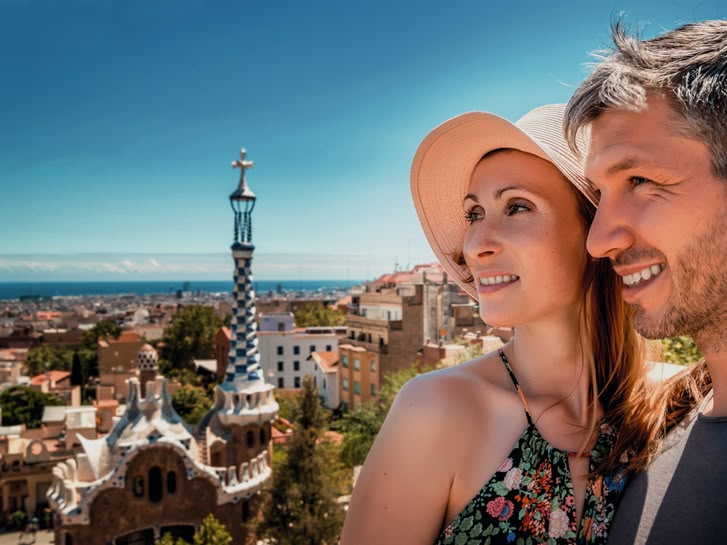
| Barcelona (Catalonia) | Sagrada Família (book weeks ahead), Park Güell, Las Ramblas, Barri Gòtic | Cosmopolitan, artistic, energetic, Catalan |
| Madrid (Madrid Community) | Prado Museum, Royal Palace, Retiro Park | Elegant, lively, best nightlife and theatre |
| Seville (Andalusia) | Real Alcázar, Seville Cathedral and the Giralda, Plaza de España | Passionate, historical, traditional |
Historical and Architectural Wonders
| City (Region) | Must-See | Vibe |
|---|---|---|
| Granada (Andalusia) | Alhambra - pinnacle of Moorish architecture | Moorish, monumental |
| Santiago de Compostela (Galicia) | Cathedral - end point of the Camino de Santiago | Spiritual, pilgrim-focused |
| Bilbao (Basque Country) | Guggenheim Museum by Frank Gehry; base for Basque cuisine | Modern, culinary, Basque |
| Toledo (Castile-La Mancha) | Medieval walls, historic synagogues, Cathedral of Toledo | Medieval, three cultures |
4. Spanish Cuisine: The Art of the Shared Plate and the Social Meal
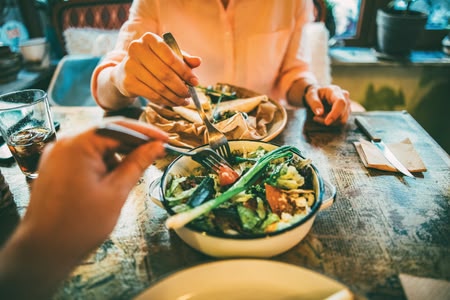
Spanish food is fundamentally social. It's built around fresh, seasonal ingredients, profound regional specialities, and the vital philosophy of sharing and communal eating. Unlike many cultures where eating is a transaction, in Spain, it's a prolonged, joyful event.
The Tapas Culture: The Pulse of Spanish Life
Tapas (singular: tapa) are more than just appetisers; they are a way of life, turning a simple drink into a multi-stop culinary adventure known as a tapeo (a tapas crawl). This activity typically precedes the late Spanish dinner, often starting around 7:00 PM and lasting until 9:30 PM.
Understanding the Tapas Ecosystem
| Term | Definition | Context/Purpose |
| Tapa | A small, savoury serving of food. Traditionally, it was a slice of bread or ham placed atop a drink to keep flies out (hence the name, meaning 'lid' or 'cover'). | Served with a drink. The size is small, usually one or two bites. |
| Pincho (or Pintxo) | A small snack, typically pierced with a toothpick (pincho means 'spike'), is often served on a slice of bread. Highly elaborate and artistic in presentation. | Predominant in the Basque Country (San Sebastián, Bilbao). You pay per pincho. |
| Ración | A large portion of a dish, equivalent to a full plate. Designed to be shared among several people (3–4+). | Used when you decide to settle down in one bar for a longer time or when ordering a "main dish" to share. |
Regional Differences in the Tapas System
The concept of the tapa is universal, but the price model varies drastically by region:
- The "Free" Tapas Zones (Andalusia & León):
- In cities like Granada, Almería, and León, the purchase of any drink (una caña - small beer, un vino - wine, or un tinto de verano - red wine mixed with lemonade) automatically includes a complimentary tapa.
- The size and quality of the free tapa can vary, ranging from a simple plate of olives or cheese to a small serving of paella, meatballs, or fried fish. Bar-hopping is encouraged here, as you eat your way through the city on a small budget.
- In cities like Granada, Almería, and León, the purchase of any drink (una caña - small beer, un vino - wine, or un tinto de verano - red wine mixed with lemonade) automatically includes a complimentary tapa.
- The Paid Tapas/Pinchos Zones (Basque Country & Catalonia/Madrid):
- Basque Country (Pintxos): In San Sebastián and Bilbao, the counter of a pintxos bar is lined with spectacular, small creations. You serve yourself (or order hot pintxos from the waiter) and keep the toothpicks. The bar counts the toothpicks at the end to determine your bill. Prices typically range from €2 to €5 per pintxo.
- Madrid & Barcelona: You generally pay for your tapa or pincho. They function as small plates ordered alongside drinks. If you want a full meal, you order a ración or media ración to share.
- Basque Country (Pintxos): In San Sebastián and Bilbao, the counter of a pintxos bar is lined with spectacular, small creations. You serve yourself (or order hot pintxos from the waiter) and keep the toothpicks. The bar counts the toothpicks at the end to determine your bill. Prices typically range from €2 to €5 per pintxo.
Must-Try Regional and National Dishes
Spanish cuisine offers depth that goes far beyond the famous tapas. Make sure to seek out these staples:
| Dish | Description | Best Found In | Dining Context |
| Paella | A vibrant rice dish cooked in a wide, shallow pan called a paellera. The original version, Paella Valenciana, uses chicken, rabbit, and local green beans (not seafood!). | Valencia. Avoid 'tourist paellas'—look for restaurants where it's a focus. | Primarily a lunch dish (Spaniards rarely eat it for dinner). |
| Tortilla Española | The ubiquitous Spanish omelette, made simply with eggs, potatoes, and often (controversially!) onions. Served thick, slightly moist, and often cut into wedges. | Found everywhere. Try it in a bakery for breakfast or as a tapa. | All-day dish. Essential for a Spanish picnic or quick tapa. |
| Jamón Ibérico | The world-renowned cured ham from the black Iberian pig. The highest quality (de bellota) is aged for years and possesses a nutty, melt-in-your-mouth texture. | Salamanca, Extremadura, Andalusia. Try a specialist jamonería. | Served sliced thinly on its own, often with picos (small breadsticks). |
| Bocadillos | Simple, hearty sandwiches made on Spanish baguette bread. They can be filled with anything from jamón and cheese to calamari. | Every bar and cafe. | Popular for a quick, cheap lunch or a substantial breakfast. |
| Pulpo a la Gallega | Tender octopus boiled and seasoned with coarse salt, sweet paprika, and olive oil, served on a wooden plate. | Galicia. The seafood in the north is second to none. | Tapa or ración size. A cornerstone of Galician cuisine. |
| Crema Catalana | The Catalan version of crème brûlée, usually flavoured with citrus zest and cinnamon. | Catalonia (especially Barcelona). | A classic dessert, served at the end of lunch or dinner. |
The Culture of Drinks
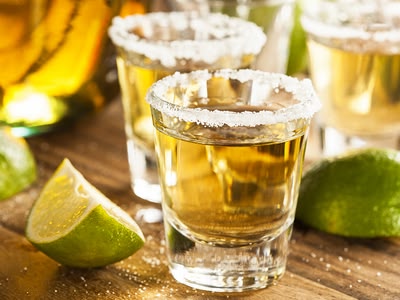
Dining often revolves around specific drinks:
- Vino (Wine): Whether enjoying a glass of robust Rioja or a crisp Albariño (a Galician white), wine is integral. Don't be afraid to order the house wine (vino de la casa); it's usually excellent and cheap.
- Cerveza (Beer): Draft beer is usually served in small glasses: a caña (small draft) or a doble (standard size). Popular brands include Mahou, Estrella Damm, and Cruzcampo (the staple of the south).
- Tinto de Verano: "Red wine of summer." A refreshing, casual drink made of red wine mixed with lemon soda (like Casera or Fanta Limón). It's more popular than Sangría among locals for casual drinking.
Expert Tip: When entering a crowded tapas bar, don't wait for a table. Spaniards usually stand at the counter or use high tables. Be assertive but polite to catch the bartender's eye for service. When finished, simply ask, "La cuenta, por favour."
5. Transport and Getting Around
Spain has excellent modern infrastructure, making travel between major cities fast and comfortable.
Inter-City Travel
- High-Speed Rail (AVE - Alta Velocidad Española): Spain's pride and joy. The AVE connects cities like Madrid, Barcelona, Seville, and Valencia quickly and efficiently. Booking several weeks in advance is highly recommended for the best fares.
- Regional Trains and Buses: Excellent for shorter distances and reaching smaller towns not served by the AVE.
- Flights: Budget airlines offer affordable connections between major hubs and the islands (Balearics, Canaries).
Local Transport
- Metro: Madrid and Barcelona have extensive, reliable, and easy-to-use metro systems.
- Walking: The historic centres of most Spanish cities are best explored on foot. Wear comfortable shoes!
Driving Tip: Driving is on the right. While necessary for exploring rural areas, avoid driving in major city centres where parking is scarce, and street layouts can be confusing.
6. The Spanish daily rhythm
The single most useful cultural adjustment is the clock. Spain runs later than northern Europe. Breakfast is light, a heartier mid-morning almuerzo follows, and lunch (comida), between roughly 2:00 PM and 4:00 PM, is the main meal of the day, often the good-value menú del día. A light merienda bridges the afternoon, and dinner (cena) is late, from about 9:00 PM, with kitchens rarely opening before 8:00 PM, so plan tapas between 7:00 PM and 9:00 PM to bridge the gap. The traditional siesta is fading in Madrid and Barcelona, where big stores stay open all day, but in smaller towns many shops close from around 2:00 PM to 5:00 PM, and banks and government offices often shut for the whole afternoon. Social life starts late and runs long: streets fill after 9:00 PM, bars get busy after 11:00 PM, and clubs may not open until 1:00 AM.Is Spain safe?
Is Spain safe?
Spain is one of the safest countries in Europe, with a low rate of violent crime. The main risk for visitors is opportunistic petty theft and pickpocketing in crowded tourist areas, transport hubs and busy plazas, so keep valuables secure and stay aware in the crowds. For the current official position, check your government's travel advice before you go.
Summary
Spain rewards travellers who match its rhythm. Build your itinerary around the headline places to visit in Spain, Barcelona, Madrid, Seville, Granada and beyond, time Andalusia for spring or autumn to dodge the heat, eat socially through the tapeo, use the fast AVE trains between cities, and shift your day later to match the local clock. It is safe, varied and endlessly rewarding, and the best souvenir is the language itself: a Spanish course in Spain with SPRACHCAFFE turns a visit into real fluency.
FAQ
Highlights include Barcelona and Madrid, Andalusian cities such as Seville and Granada, the green north around San Sebastián, and the Balearic and Canary Islands, each with a distinct character.
Spring and autumn bring warm, comfortable weather across most regions. Summers are very hot inland and in the south, while the northern coast stays milder and greener.
Later than many visitors expect. Lunch is mid-afternoon, dinner often after nine, and many shops close for a midday break, so evenings run long and lively.
A fast, extensive rail network links the major cities, with buses filling in smaller routes and ferries serving the islands. Cities are walkable and well served by metro.
A Spanish course in Spain lets you learn the language where it lives, lessons by day and practice all around you.
Related news
Get the latest on travel, languages and culture