Nature and Architecture: Your Cultural Trip to Morocco

Two cities, one river and centuries of history on the Atlantic coast.

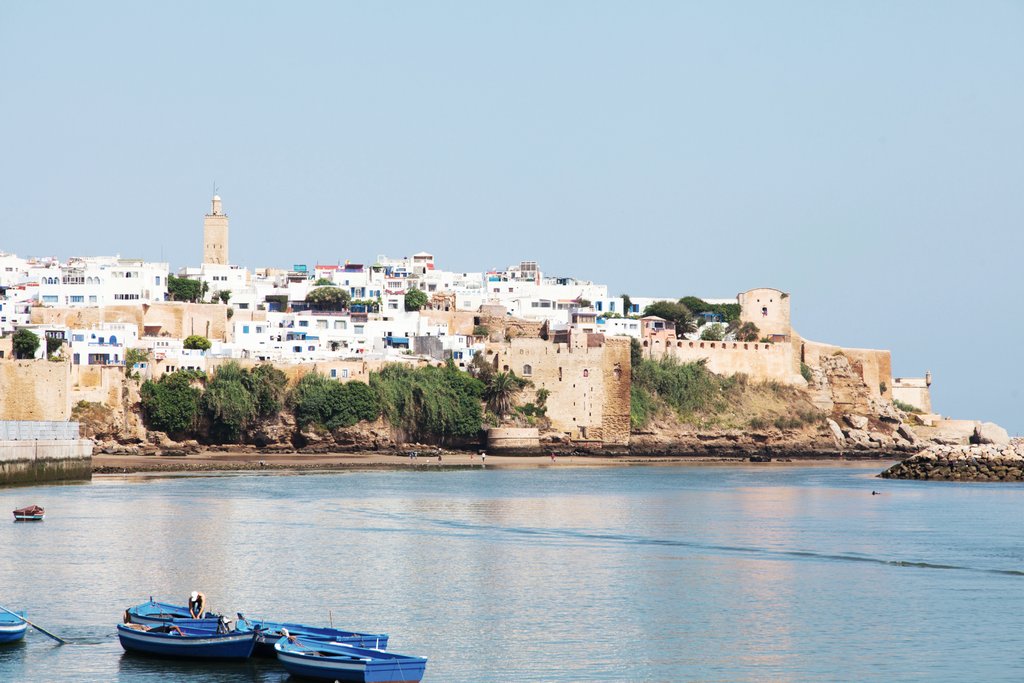
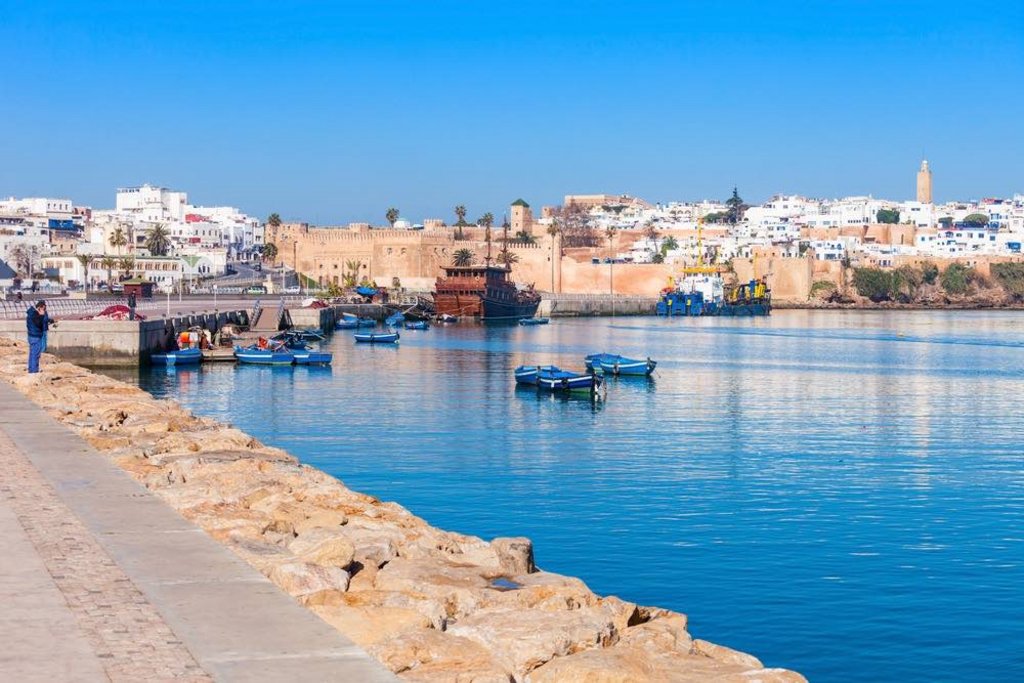
Where the Bou Regreg flows into the Atlantic, two cities face each other across the water: Rabat and Salé. In the 17th century, this river mouth was home to an independent corsair republic. Today, Rabat is the capital of Morocco and a city where Almohad walls, Andalusian lanes and a planned French new town sit side by side. On our Nature and Architecture cultural trip, you spend five days discovering how these influences shaped the city, and how river, coast and climate continue to affect its development.

You’ll head home with a much deeper understanding of Morocco than any guidebook could give you.

Book your retreat

Three Cultures, One City

Almohad, Andalusian and French influences, all within walking distance.

A UNESCO-Listed Capital

Explore a city whose historic centre has been World Heritage since 2012.

Where River Meets Ocean

See how the Bou Regreg and the Atlantic coast have shaped life in Rabat.

Curiosity Is Enough

No prior knowledge needed, just an interest in history, cities and nature.

Check dates, availability and price

The Places You’ll Explore

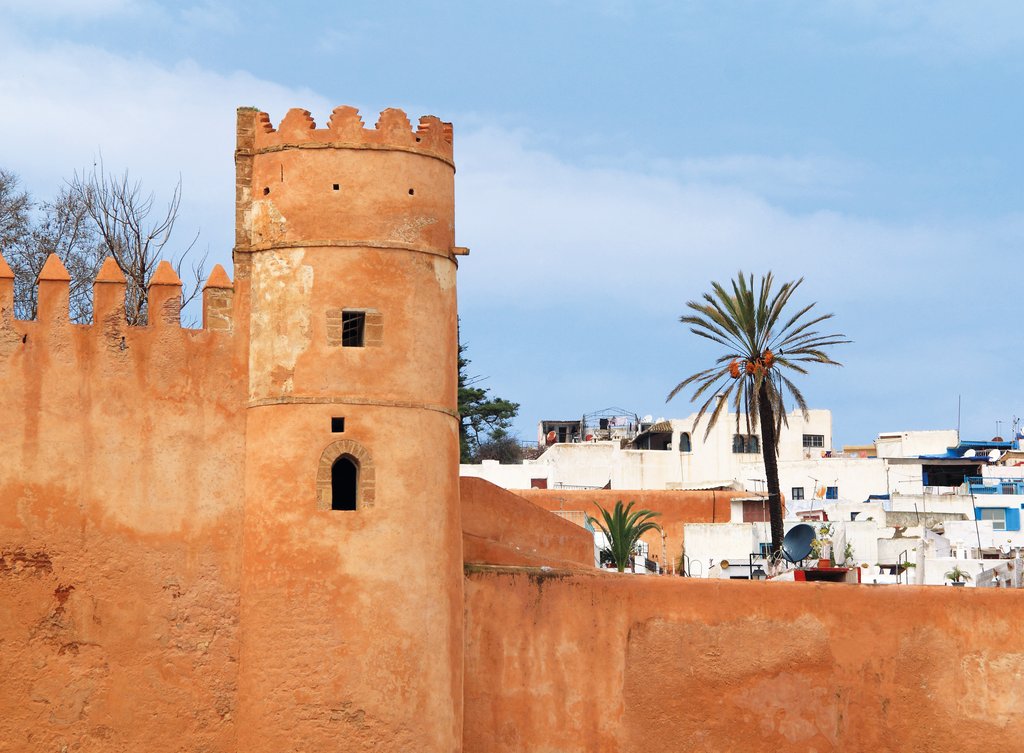
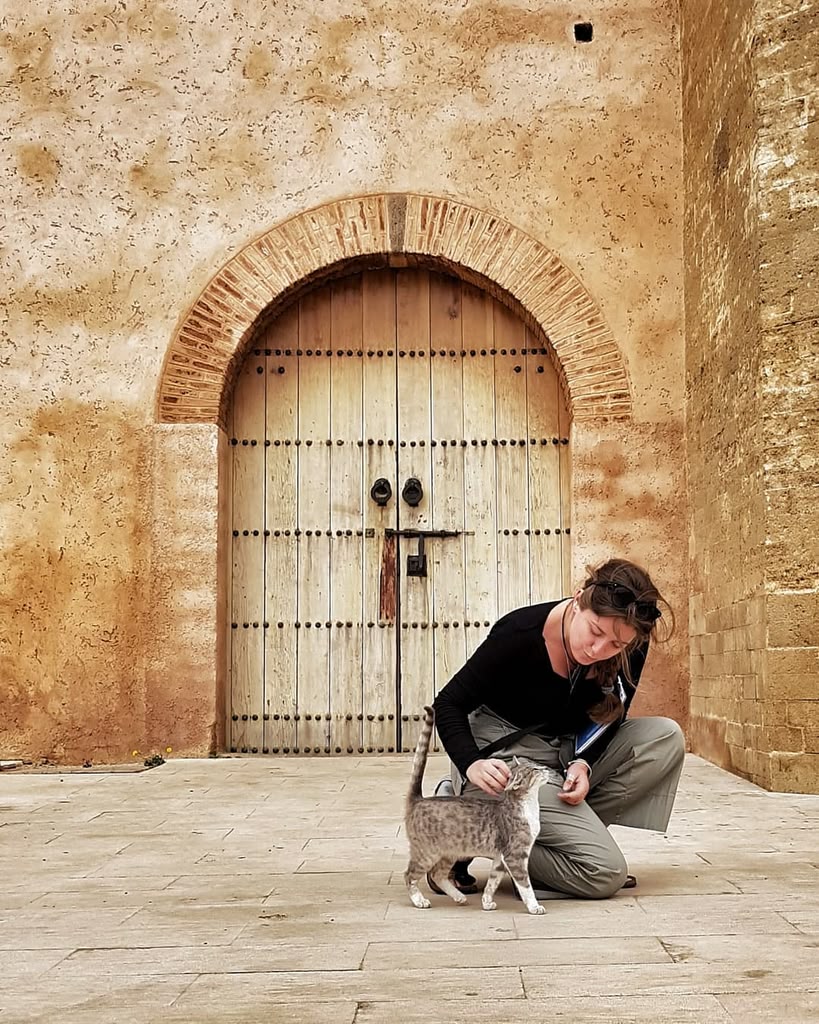
High above the river mouth, the Kasbah of the Udayas dates back to the 12th century. Through its monumental gate, you enter quiet blue-and-white lanes that lead to a peaceful Andalusian garden. Not far away, the Hassan Tower rises above rows of column stumps, the remains of a mosque that was meant to be one of the largest of its time but was never completed. Opposite stands the Mausoleum of Mohammed V, a fine example of traditional Moroccan craftsmanship. In the medina, you'll discover how courtyard houses, souks and workshops share a small space, shaped in the 17th century by Andalusians who settled here after leaving Spain. Along the Bou Regreg and the Atlantic coast, you'll see how nature, settlement and climate challenges are closely linked.

The exact programme may vary. We're happy to send you the full schedule on request.

Seeing Morocco Through a Different Lens

Each day begins with a short introduction to the topic. Then you head out with your guide to see it for yourself: how the French protectorate turned Rabat into a capital between 1912 and 1956, how a traditional medina works, and how the city balances heritage protection with tourism and growth. Along the way, you’ll also look at Morocco’s role between Europe and Africa. All sessions are held in clear, simple English, and with 25 lessons spread over five days, from Monday to Friday, you still have time to explore Rabat on your own.

A Day on the Cultural Trip

MorningAfternoon
Medina & city historyKasbah of the Udayas
Chellah & Hassan TowerHeritage walk through the medina
Bou Regreg & Atlantic coastNature & coastal landscapes

This is a sample schedule for one day. We're happy to send you the full programme on request.

Who It's For

If you’d like to experience Morocco with more depth than a classic sightseeing tour, this cultural trip is for you. No prior knowledge is required, just curiosity and an interest in how places develop over time. The group usually brings together people from very different walks of life: some have a professional connection to culture, education, tourism or sustainability, while others are simply fascinated by history, architecture and new perspectives. Together, you’ll discover Rabat in a way that makes every street and building easier to understand.

Your Stay in Rabat

To make your trip as easy as possible, you can add accommodation in Rabat directly when you book. That way, you don't need to search for a place to stay yourself and can focus fully on the programme and the city. You'll find all available options and current prices in the booking section above, so you can choose what suits your budget and preferences. After a day of excursions, you'll have time to relax, enjoy a Moroccan meal or explore the city at your own pace in the evening. If you'd rather organise your own accommodation, that's no problem: you can also book the cultural trip on its own.

Rabat Is Waiting for You

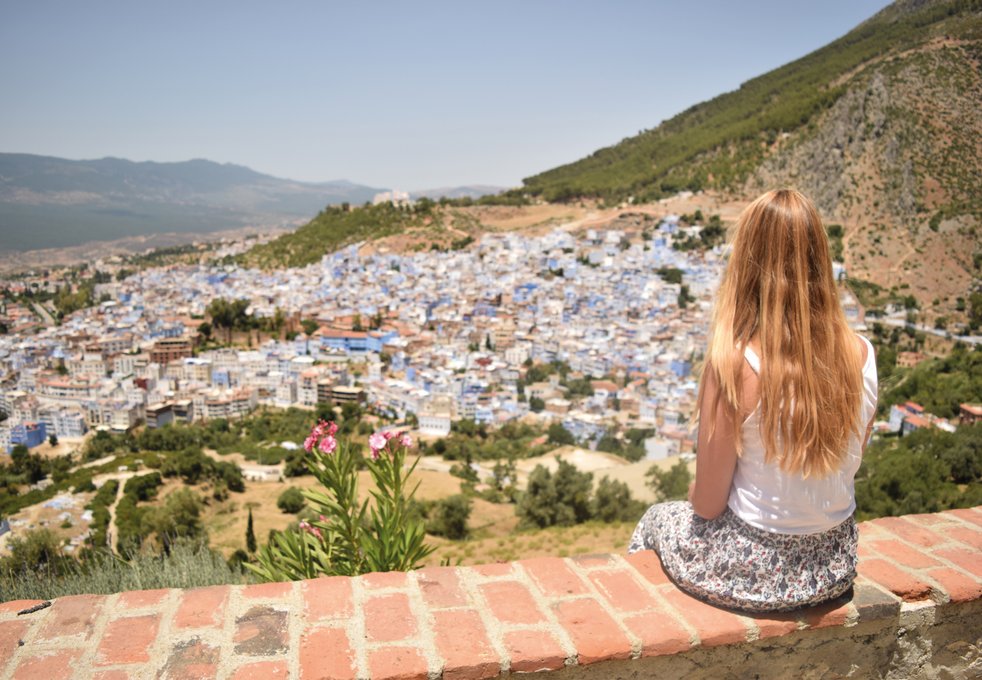
Some of the best moments happen between the excursions: a mint tea in the Andalusian garden of the Kasbah with a view across the river to Salé, a short walk up to the viewpoint at the end of the Kasbah as the sun sets over the Atlantic, or a conversation with your group that carries on long into the evening.


The city is ready to share its stories. Bring comfortable shoes and an open mind, and let SPRACHCAFFE take care of the rest on your cultural trip to Morocco.

Book your retreat

FAQ

The groups usually bring together people with very different backgrounds and ages. Some have a professional link to culture, education or urban development, while others are simply curious about Morocco. This mix makes the discussions during the excursions especially interesting.

Yes, many participants come on their own. Exploring the city together in a small group makes it easy to get to know each other, and you'll quickly find company for dinner or a stroll through the medina.

Comfortable shoes are a must, as you'll be walking through the Kasbah, the medina and along the coast. When visiting historic and religious sites, clothing that covers your shoulders and knees is recommended. It's also a good idea to check the forecast and pack layers for the season.

Yes. You'll spend a good part of each day on foot, in the Kasbah, the medina and along the river and coast, but the pace is relaxed and there are regular breaks. Comfortable shoes are all you need. When you sign up, we ask about any health restrictions so the excursions can be adapted where possible.

No. Every topic is introduced in a clear and accessible way before you explore it on site, so the programme is suitable for beginners as well as people with a background in history or architecture.

Of course. The programme runs from Monday to Friday, so your arrival and departure days are free. You can visit the neighbouring town of Salé by tram, or take the train to Casablanca in around an hour to see the Hassan II Mosque by the sea.

No. All talks, guided tours and excursions are held in clear, simple English. A solid basic level is enough to follow along and join the discussions.