Nature and Architecture: Read the Story of a Place

Every city tells a story. Its walls, streets and harbours show how people have responded to landscape, climate and history over thousands of years. On this cultural holiday, you learn to read that story where it was written: for one week, you explore historic cities, fortresses and coastlines on guided excursions, with expert input in English and no prior knowledge needed.

Choose your setting: the island of Malta, the port city of Málaga or Rabat on Morocco’s Atlantic coast.

You’ll head home seeing every city, including your own, with new eyes.

Learning on Location

You explore fortresses, old towns and coastlines, not a seminar room.

Three Destinations

Malta, Spain or Morocco: one programme, three ways to experience it.

Taught in English

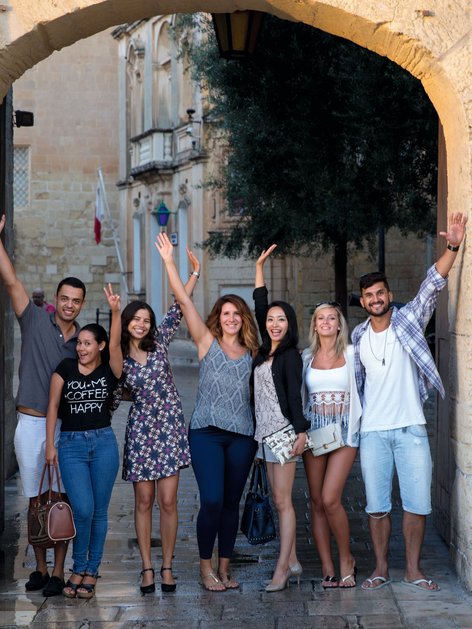
Every session is held in English, connecting you with guests from all over the world.

No Expertise Needed

No background in architecture or geography required, just curiosity.

What to Expect on Our Nature and Architecture Programme

Each programme week is built around one central question: how does landscape shape the way people build? Mornings start with an expert introduction to the day's topic. In the afternoons, you set out on a guided excursion to the places you've just heard about and explore them with small observation tasks, from cliffs and natural harbours to old towns, fortifications and listed monuments. Along the way, you look at the challenges these places face today, such as tourism, climate change and the question of how to protect heritage while cities keep growing. History, culture and sustainability come together as one connected story.

What Your Programme Day Could Look Like

*This is a sample daily schedule. We’re happy to send you the detailed course programme on request.
Morning Afternoon
Landscape & Building: How coastlines, rivers and climate have shaped the way people build Guided Excursion: Cliffs, natural harbours and coastal landscapes seen through new eyes
City Structures & Eras: How historic cities grew layer by layer over the centuries Old Town Walk: Fortifications, quarters and street patterns explored on foot
Heritage & Sustainability: Protecting monuments in times of tourism and climate change Site Visit & Observation: Listed sites and current preservation projects up close

A Learning Holiday for Curious Minds

You don't need to be an architect or historian to join. The programme is designed for anyone who has ever wondered why a city looks the way it does, whether you work in education, tourism, planning or a completely different field. Explanations are clear and practical, and solid school English is enough to follow the sessions and join the discussions. Different backgrounds make the group conversations especially rewarding. You'll be on foot for several hours each day, so normal fitness and sturdy shoes are all you need.

Malta, Spain or Morocco: Our Architecture Holidays Compared

Wherever you book, the approach stays the same: one week of expert input and guided excursions in English, in a group of 5 to 20 participants. At every destination, you explore the same themes, from landscape and building methods to city structures, heritage protection and sustainability.

What changes are the examples you study. Each destination tells its own story of how people, nature and history meet, and each lets you compare what you learn with what you know from home. Simply choose the place whose story you'd most like to hear.

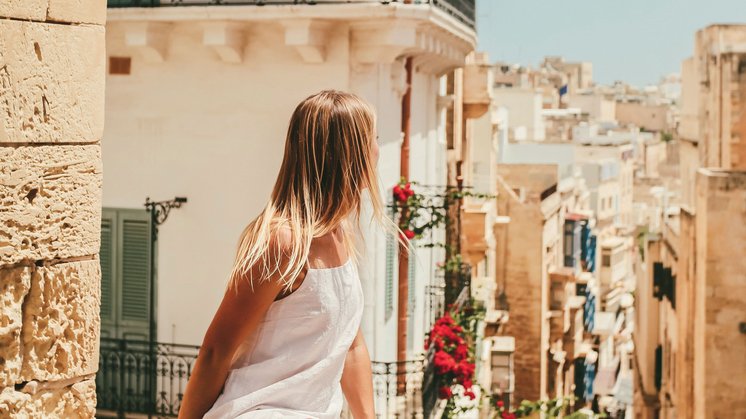
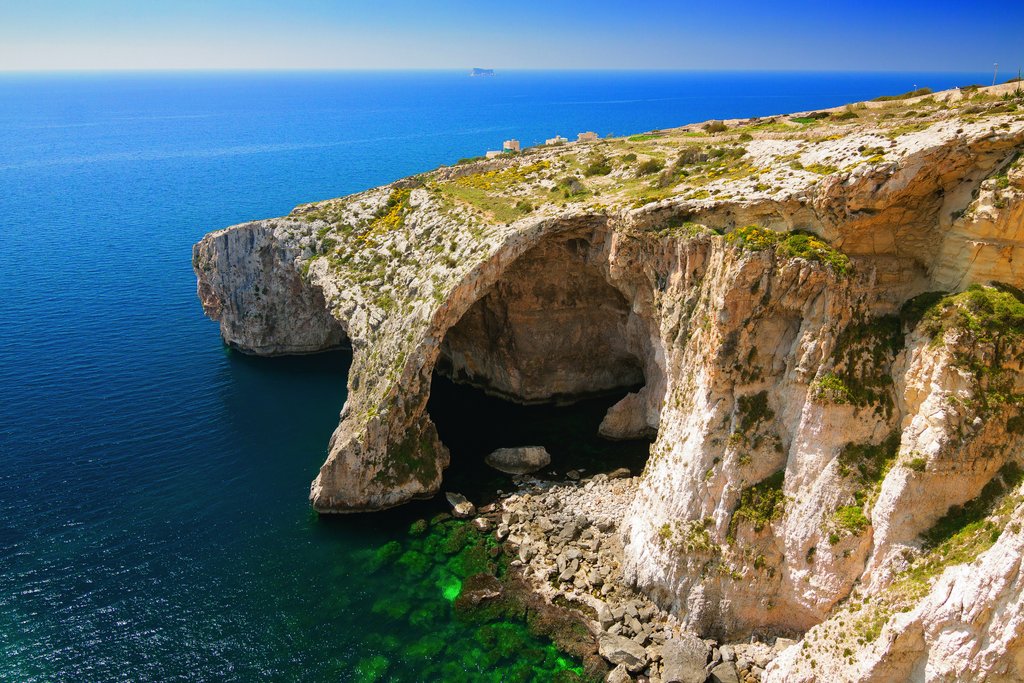
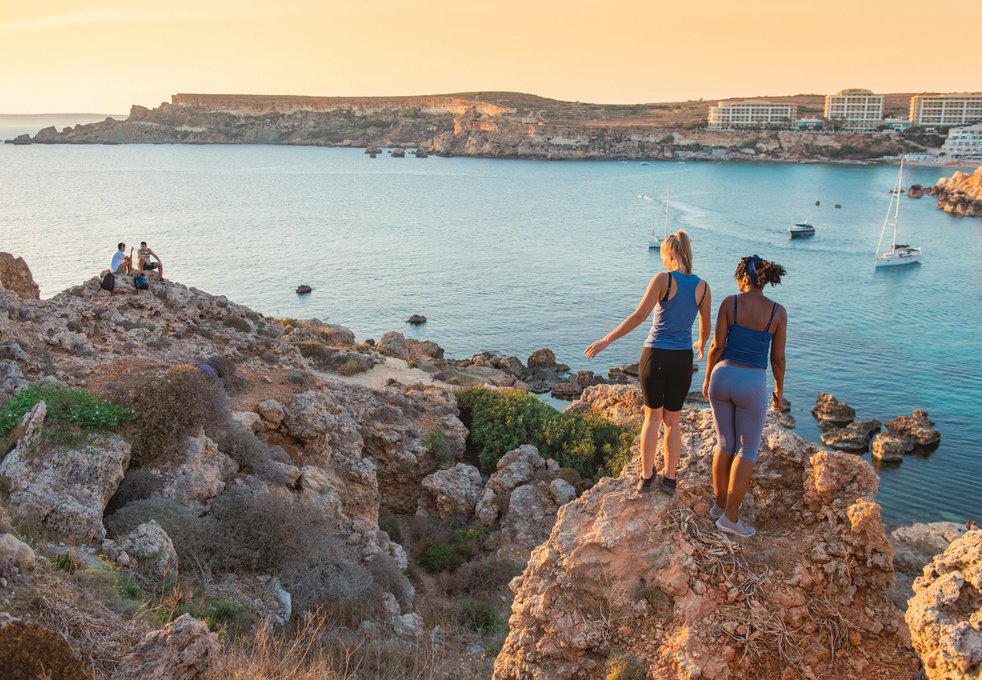
Malta architecture spans more than 5,600 years. A cultural holiday in Malta takes you from the Ġgantija temples on Gozo, among the oldest freestanding buildings in the world, to the fortified capital of Valletta, the medieval city of Mdina and the Three Cities around the Grand Harbour. The dramatic Dingli Cliffs show how the island's landscape has shaped where and how people built.

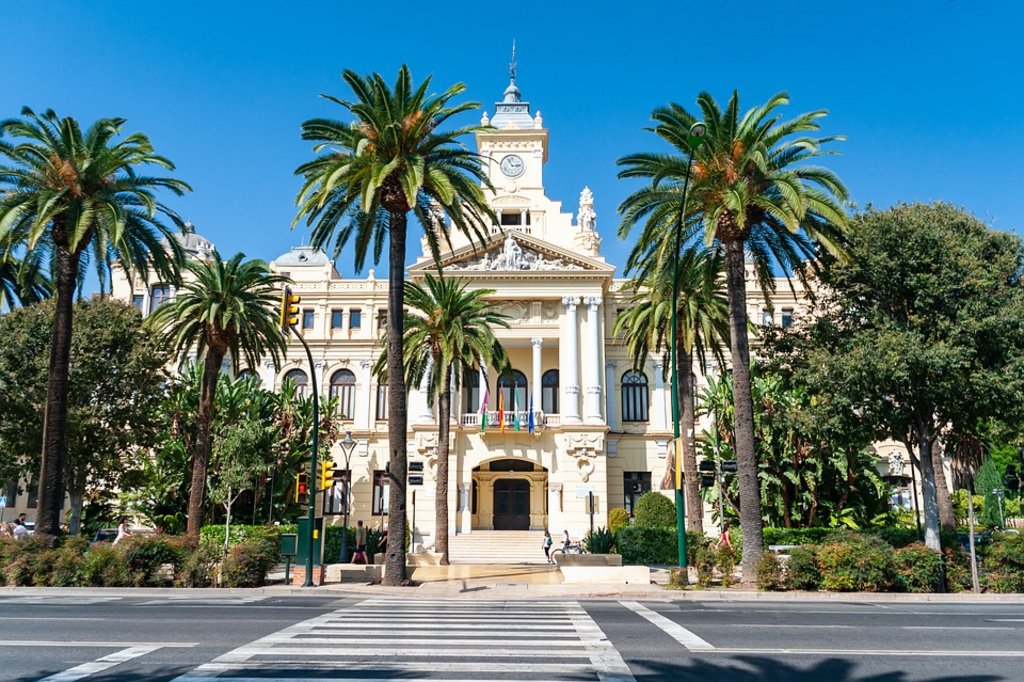
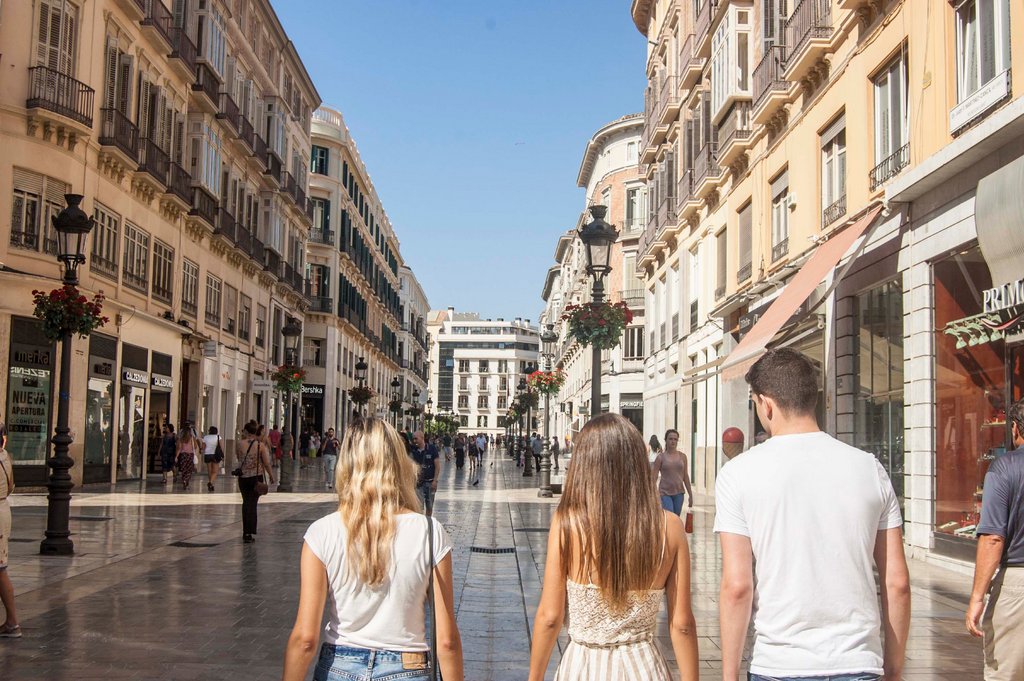
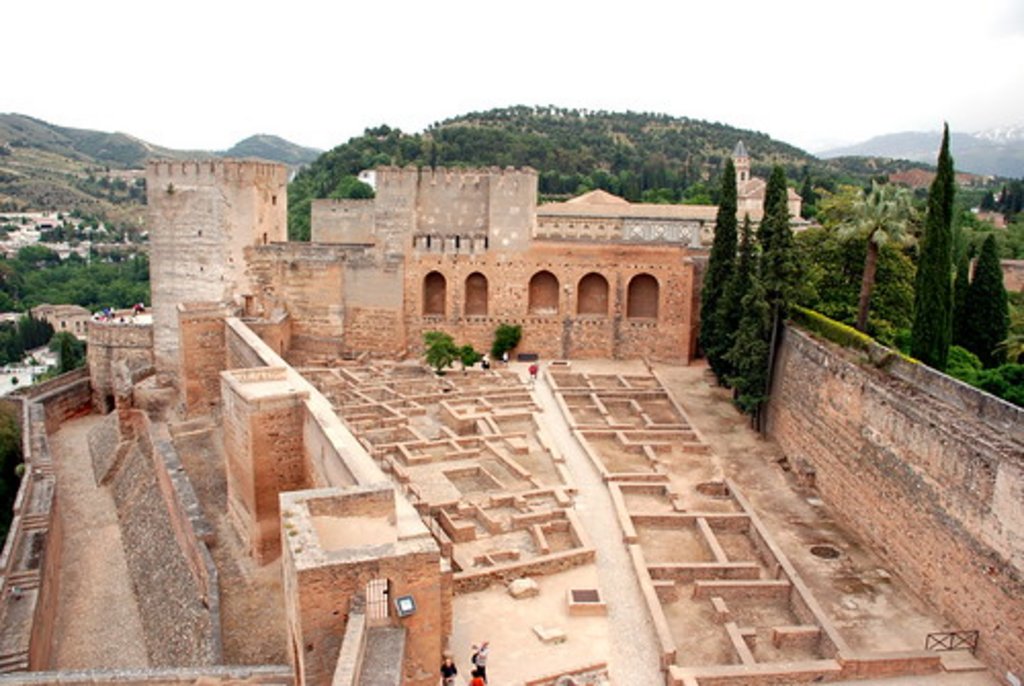
A cultural holiday in Spain brings you to Málaga, where Roman, Moorish, Christian and modern layers sit side by side in one old town. You explore the Alcazaba and the cathedral, follow the coastline to the Guadalhorce estuary and discuss how a historic port city balances heritage, tourism and the effects of a changing climate.

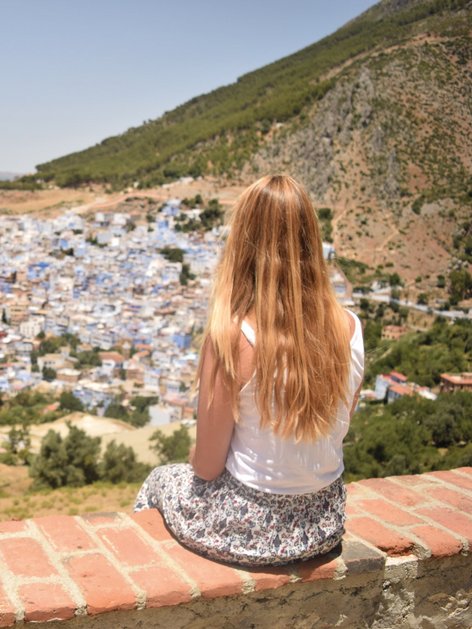
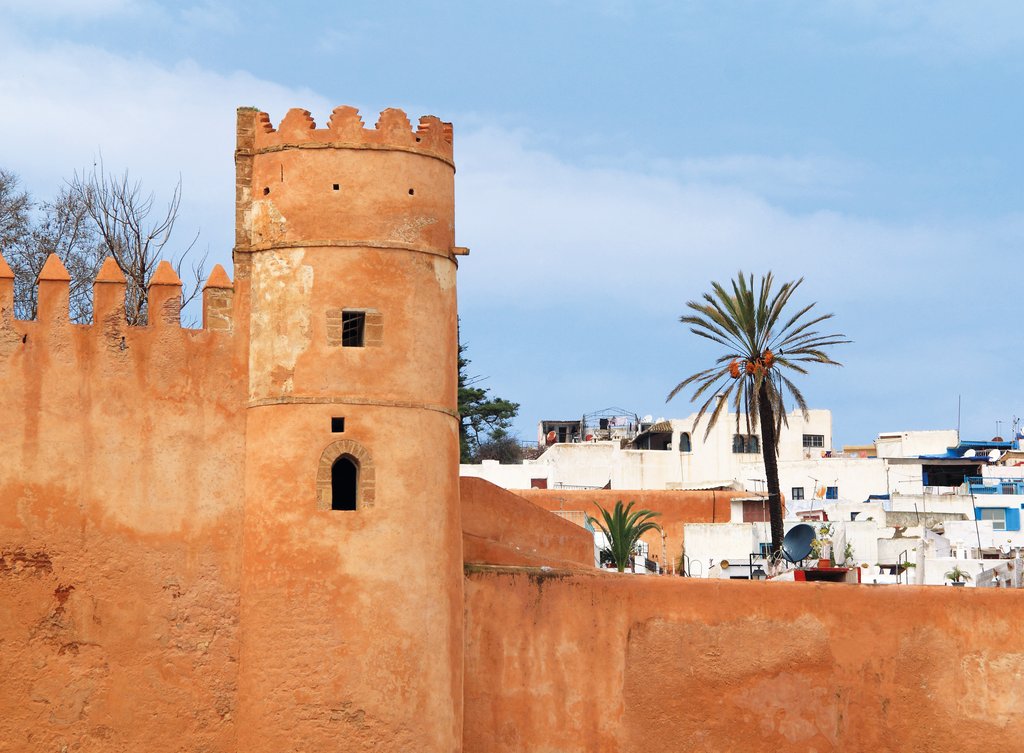
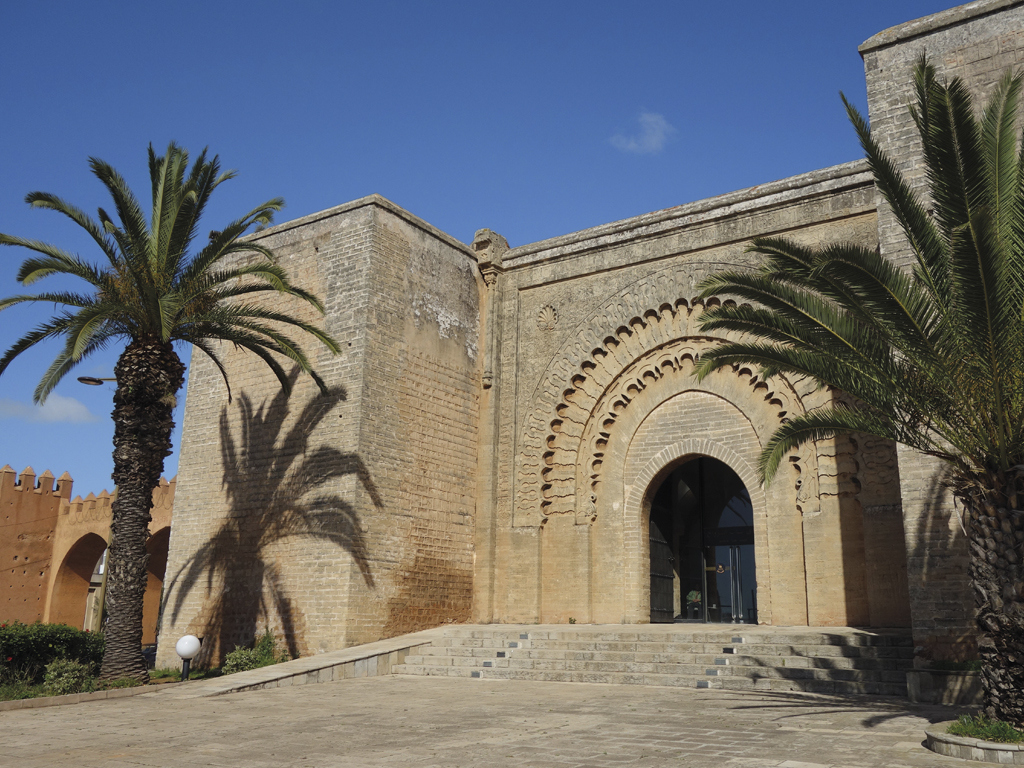
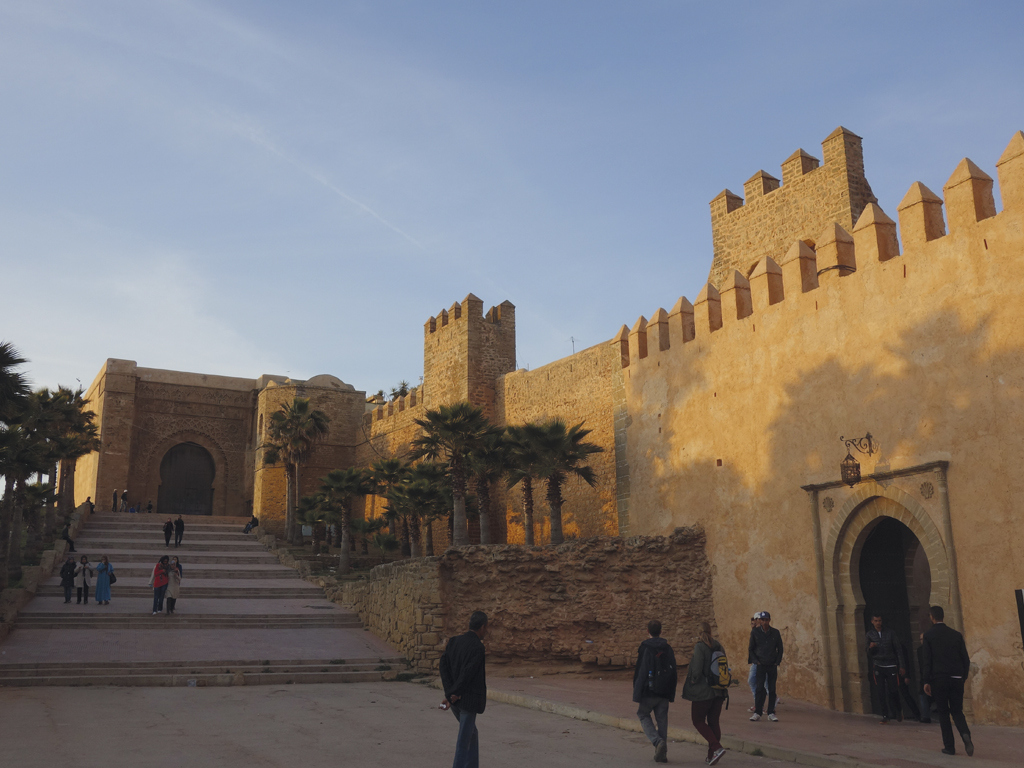
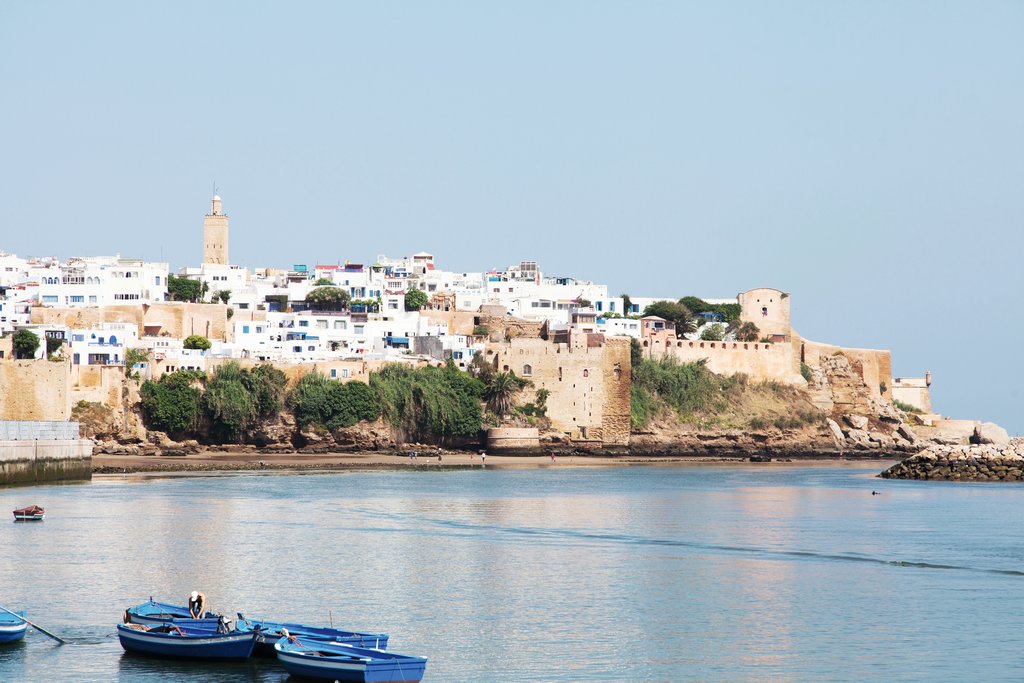
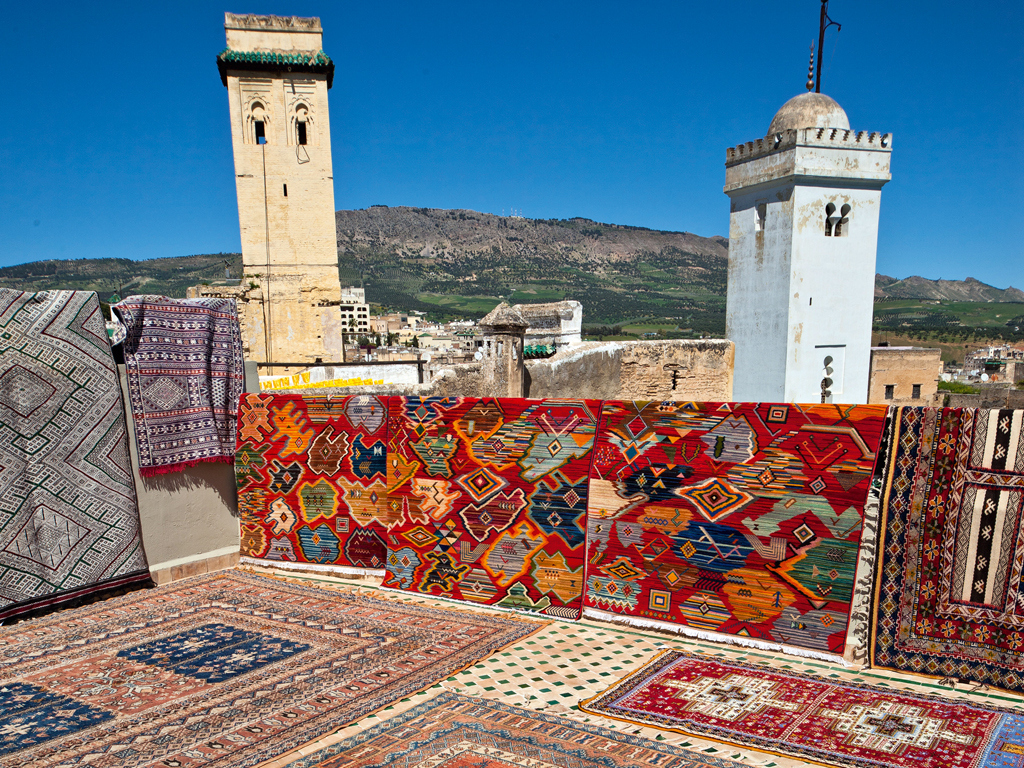
A cultural holiday in Morocco takes you to Rabat, whose old and new towns have been a UNESCO World Heritage Site since 2012. Here, the medina, the Kasbah and the city built during the protectorate era meet the Atlantic coast and the mouth of the Bou Regreg river, showing how Europe and Africa have shaped one city together.

Whichever destination you choose, you'll return with a deeper understanding of how places grow, and a new way of looking at them.

Malta Spain Morocco
Setting Mediterranean island Port city on the Costa del Sol Atlantic coast, capital city
Where you explore Valletta, Mdina, the Three Cities, Gozo Málaga old town and coast Rabat medina, Kasbah and coast
Highlights Ġgantija temples, Dingli Cliffs, UNESCO-listed Valletta Alcazaba, cathedral, Guadalhorce estuary UNESCO World Heritage city, Bou Regreg estuary
Ideal if you love fortresses and ancient history are interested in urban change and tourism want to discover where Europe and Africa meet

Auch als Bildungsurlaub buchbar

Bist du in Deutschland berufstätig?

Unser Programm Natur & Architektur gibt es auch als Bildungsurlaub. Im Vergleich zur Kulturreise hast du dort 30 statt 25 Unterrichtsstunden pro Woche, also jeden Tag eine zusätzliche Einheit in Theorie und Praxis. Als anerkannte Bildungsveranstaltung kannst du dafür bei deinem Arbeitgeber eine bezahlte Freistellung beantragen.

Bildungsurlaub entdecken

Your curiosity, your questions, your week. Choose the destination whose story you want to discover and let SPRACHCAFFE take care of the rest, so all you need to do is arrive and look closer.


Find your Destination

FAQ

Nature and Architecture is a one-week cultural holiday that explores how landscape, history and climate have shaped the way people build. With SPRACHCAFFE, it combines expert introductions with guided excursions to historic cities, fortresses and coastlines, in a group of 5 to 20 participants, held in English in Malta, Spain or Morocco.

No. The programme is designed for curious people from all backgrounds. Solid school English is enough to follow the sessions and take part in the discussions.

You'll be on foot for several hours each day, through old towns, fortresses and coastal landscapes. Normal fitness and sturdy shoes are enough. When you register, we ask about any health restrictions so the excursions can be planned with the group in mind.

Mornings start with an expert introduction to the day's topic. In the afternoons, you visit the related places on a guided excursion and explore them with small observation tasks.

Choose Malta if you're fascinated by fortresses, ancient temples and UNESCO sites, Spain if you're interested in urban change and tourism in Málaga, and Morocco if you want to discover how Europe and Africa have shaped Rabat. The approach and themes are the same at all three destinations.

Accommodation is not included in the programme. You'll find current options for each destination on the destination pages.

Sturdy, comfortable shoes are essential, as you'll walk a lot each day. Bring weather-appropriate layers, sun protection, a reusable water bottle and a small daypack. A notebook or camera helps you capture your observations.