
Malta and Lloret de Mar are two of the Mediterranean’s most popular summer destinations, and both make a great base for a language-and-beach trip. The clearest way to choose between them is by what you want: Malta is an English-speaking island with deep history, while Lloret de Mar sits on Spain’s Costa Brava, within easy reach of Barcelona. This guide compares them on language, beaches, activities and day trips so you can decide which fits your Malta vs Lloret de Mar dilemma.
Malta vs. Lloret de Mar: Best Holiday Choice
At a glance
The quick comparison below sums up the main differences.
| Malta | Lloret de Mar | |
| Location | Island nation in the central Mediterranean | Costa Brava, Catalonia, mainland Spain |
| Language | English and Maltese (ideal for learning English) | Catalan and Spanish (ideal for learning Spanish) |
| Beaches and nature | Golden Bay, Mellieħa Bay, the Blue Lagoon on Comino | Long sandy beaches and hidden coves along the Costa Brava |
| Getting around | Short bus rides; ferries to Gozo and Comino | Coastal town; buses and boat trips along the coast |
| Day trips | Valletta, Mdina, Gozo, Comino | Barcelona and Girona (a Game of Thrones location) |
| Best for | Learning English, history and island-hopping | Learning Spanish, beach life and mainland access |
Malta
Malta is made up of several islands: the main island, plus Gozo, Comino and smaller uninhabited ones. Nowhere is far, so you can reach most sights by bus, and the ferries to Gozo and Comino, famous for their turquoise water, are a highlight. The island is dotted with historic towns only a few kilometres apart, so Valletta, Sliema, St Julian's and the old walled city of Mdina are all easy to combine. For language, Malta is unusual: English and Maltese are both official, so you can learn English in an English-speaking country while enjoying the Mediterranean, which is why it is such a popular language-travel destination. On the beaches, Golden Bay, Mellieħa Bay and the Blue Lagoon offer clear water and watersports from snorkelling to windsurfing.
Lloret de Mar
Lloret de Mar lies on the Costa Brava in Catalonia, one of many towns along this roughly 200-kilometre stretch of coast, and it is known for its large sandy beaches and smaller coves. The local language is Catalan, which is a distinct language rather than a dialect of Spanish, though everyone also understands Spanish and you can get by easily in English with the many international visitors. For a Spanish learner, the surrounding region is the draw: Barcelona and the charming city of Girona are both easy day trips. Beyond the beach, there are boat trips from the port, the Water World water park, coastal hiking trails and a couple of castles to explore.
Which should you choose
Start with your language goal. If you want to improve your English, Malta is the natural pick, and it also offers the richer history and the island-hopping. If you want Spanish, Lloret de Mar and the Costa Brava put you within reach of Barcelona and a big-city, mainland experience. On scenery both are beautiful, Malta leaning historic and island, Lloret leaning long-beach and coastal. Either way you get warm Mediterranean summers and plenty to do.

A note on nightlife
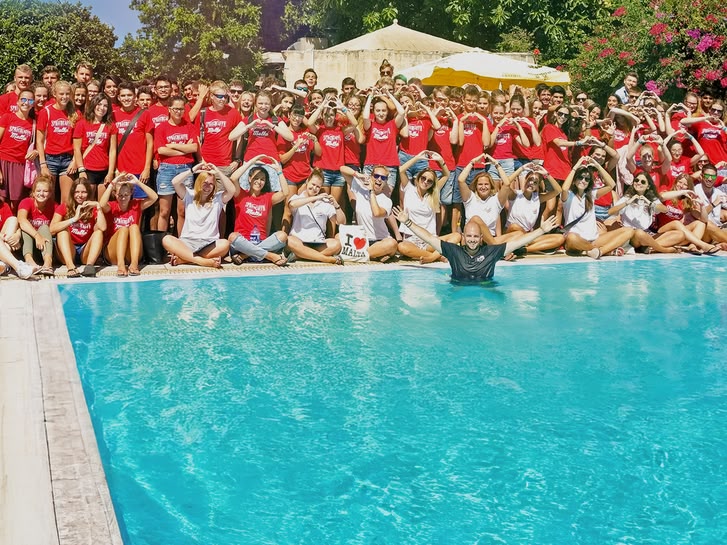
Both towns are known for lively summer nightlife, but that side of things is strictly for over-18s, with photo identification required to enter clubs and bars. Younger students travelling with SPRACHCAFFE follow a separate, supervised programme of daytime activities and age-appropriate evening events with their group leaders, so the focus stays on the beaches, the sports and the language.
Summary
In the Malta vs Lloret de Mar choice, let your language decide first: Malta for English, Lloret de Mar for Spanish. Malta offers an English-speaking island rich in history with easy hops to Gozo and Comino; Lloret offers Costa Brava beaches with Barcelona and Girona on the doorstep. Both promise warm summers and plenty of activities, and with SPRACHCAFFE you can learn English in Malta or Spanish near the Costa Brava.
FAQ
Both are popular, sunny destinations, but they suit different tastes. Malta offers English immersion, rich history and island scenery, while Lloret de Mar on Spain's Costa Brava pairs beaches with a lively resort atmosphere and Spanish.
Malta is an English-speaking country, so it is a natural place to learn English, while Lloret de Mar in Catalonia is ideal for learning Spanish. Your target language is often the deciding factor between them.
Both have good beaches. Lloret de Mar is known for a busier, party-oriented nightlife aimed at young visitors, while Malta offers a mix from the bars of St Julian's and Paceville to quieter historic towns.
Decide on the language first, then the atmosphere: Malta for English, history and island life, Lloret for Spanish, beaches and resort energy. A SPRACHCAFFE course operates in both, so either can combine study with a summer feel.
Related news

Get the latest on travel, languages and culture