
For a small island, Malta has an outsized reputation for going out, and in summer its clubs and beach parties draw visitors from across Europe. This guide to Malta nightlife is written for adult visitors aged 18 and over: it covers the main areas, the kinds of venues you will find, and the island’s big seasonal festivals, so you can plan an evening that suits you. Rather than list individual clubs, which open, close and rebrand from season to season, it focuses on the districts and what each is known for.
Malta Nightlife: The Island After Dark
The main nightlife areas
| Area | Character |
| Paceville (St Julian’s) | The undisputed hub: the highest concentration of clubs and bars, centred on streets like St George’s Road. Busiest, youngest and loudest. |
| St Julian’s (wider) | A broader mix of bars, restaurants and hotels, slightly more relaxed than Paceville itself. |
| Sliema | Quieter and more grown-up, with seafront bars and lounges rather than heavy clubbing. |
| Bugibba and St Paul’s Bay | The northern hub, known for a more laid-back, beach-club feel. Larger open-air venues sit further inland near Rabat, coming into their own during the summer festival season and reachable by public transport. |
The kinds of venue
Malta covers most tastes after dark. Large clubs and superclubs anchor Paceville, playing mainstream, R&B and dance sets across multiple rooms. Beach clubs make the most of the coastline with poolside and sunset events. Rooftop and cocktail bars, some in the island's tallest towers, offer a smarter, calmer evening, often with a dress code. And in summer, large open-air venues host touring DJs under the stars. For something more traditional, the village band clubs during the festa season are a world away from the clubs, and open to all ages.
Festivals and seasonal events
Much of Malta's best nightlife is tied to its calendar of summer events. The Isle of MTV is one of Europe's largest free music festivals, held near Valletta in early summer. The Malta International Fireworks Festival lights up the Grand Harbour in late spring, and the Malta Jazz Festival brings international names to Valletta in July. Wine lovers have the Delicata and Marsovin wine festivals in the capital's gardens, and there is a summer beer festival at Ta' Qali. In autumn, the cultural nights of Notte Bianca in Valletta and Birgu by Candlelight trade clubbing for candlelit streets, music and open museums. Running right through summer, the village festas celebrate each town's patron saint with processions, band marches and fireworks.
Good to know
Malta's clubs are for over-18s, and you will usually need photo identification to enter, so carry a passport or ID card. Smarter rooftop and tower venues often have a dress code, so check before you go. The season matters: many open-air and beach venues run only through the summer, roughly late spring to early autumn. Getting home is easy enough, with night buses on key routes and taxis widely available, especially around Paceville and St Julian's.
Studying in Malta with SPRACHCAFFE
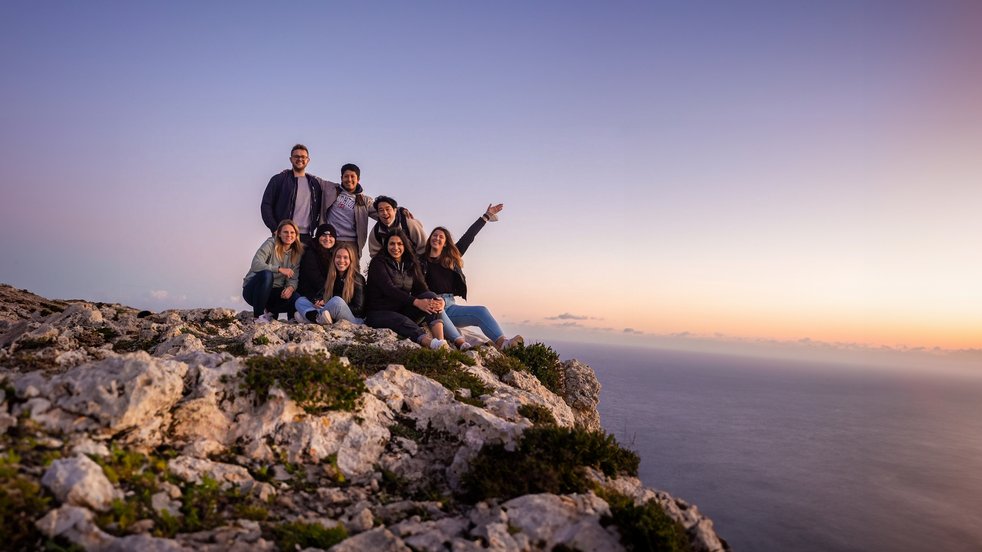
SPRACHCAFFE's school sits in St Julian's, close to the heart of the action. Adult students aged 18 and over are well placed to enjoy the city's bars and clubs in their own free time. The junior programme, for students under 18, is entirely separate: a supervised schedule of daytime activities, beach outings and age-appropriate evening events with the group and its leaders, not the nightclubs. Everyone gets to enjoy Malta safely and at the right level, while learning English in a lively, real-world setting.
Summary
Malta nightlife centres on Paceville and St Julian's for clubbing, Sliema for a quieter seafront evening, and Bugibba in the north for beach clubs, with large open-air venues inland in summer. The island's festival calendar, from the free Isle of MTV to the jazz, wine and village festa events, is as much a part of the scene as the clubs. It is an over-18s scene, so bring ID and check dress codes, and if you are studying with SPRACHCAFFE, the junior programme keeps younger students to supervised, age-appropriate fun.
FAQ
Most of it is concentrated in Paceville, in St Julian's, the island's busiest hub of bars and clubs. Sliema and Valletta offer more relaxed bars and lounges.
Yes. Summer is the peak, with beach parties and open-air events drawing visitors from across Europe, while the winter scene is quieter and centred on indoor venues.
The range runs from lively clubs and beach parties to wine bars, rooftop lounges and traditional pubs, so there is something to suit most tastes and moods.
The club scene is for adults aged 18 and over. Families and younger visitors will find plenty in Malta's restaurants, seaside towns and cultural events instead.
Adult language courses in Malta pair daytime lessons with an international social scene.
Related news
Get the latest on travel, languages and culture