
Italy is a living museum where the Roman Empire, the Renaissance and the 21st-century Dolce Vita meet. From the sun-drenched ruins of Rome to the fashion-forward streets of Milan and the turquoise waters of the Amalfi Coast, it offers a sensory journey through art, history and the world’s most beloved cuisine. Exploring Italy is easy, but understanding its local rhythms, like knowing when to drink your coffee and how to read the regional pride, is what turns a good trip into an unforgettable one.
Italy Travel Guide: Things to Do and Places to Visit
1. A Geographic and Regional Tapestry
Italy is divided into 20 regions, but it is best understood through the contrast between the industrial North and the soulful, sun-baked South.
| Region | Major City | Travel Recommendation |
| The North | Milan / Venice | High fashion, Alpine lakes, and intricate canal networks. |
| Central | Rome / Florence | Renaissance masterpieces, the Vatican, and rolling Tuscan hills. |
| The South | Naples | Authentic pizza, Roman ruins (Pompeii), and coastal cliffs. |
| The Islands | Palermo / Cagliari | Mediterranean beaches, Greek temples, and unique dialects. |
Fun Fact: Italy has more UNESCO World Heritage Sites (59) than any other country in the world. You literally cannot walk a block in most cities without hitting a piece of protected history!
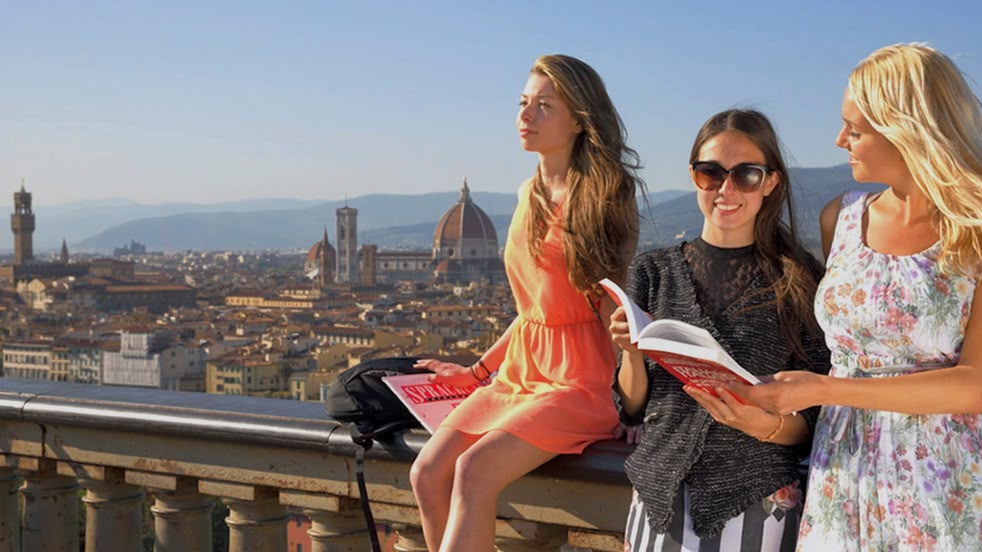
Living the Dolce Vita in Italy
2. Climate: From Alpine Snow to Mediterranean Heat
Because Italy is a long peninsula, the weather changes drastically as you move from the mountains to the sea.
| Season | Timeframe | Conditions | Travel Recommendation |
| Spring | April–June | Bloom | The Sweet Spot. Best for Tuscany or Sicily before the heat kicks in. |
| Summer | July–August | Intense heat and humidity. | Peak Season. Perfect for the Dolomites or beaches, but very crowded. |
| Autumn | Sept–Oct | Golden light; harvest time. | Gourmet Window. Best for wine tasting and truffles in Piedmont. |
| Winter | Nov–March | Cold in North; rainy in South. | Ski & Opera. Great for the Alps or enjoying empty museums in Rome. |
Expert Tip:
The Ferragosto Shutdown. Avoid traveling to major cities in the two weeks around August 15th. While it's a holiday for Italians, many local shops and family-owned restaurants in cities like Rome or Florence close down as the locals head to the beach. You'll find yourself in a "tourist bubble" with record-high temperatures.
3. The Iconic Urban Hubs: Italy’s Big Four
Rome & Florence: The Art Pillars
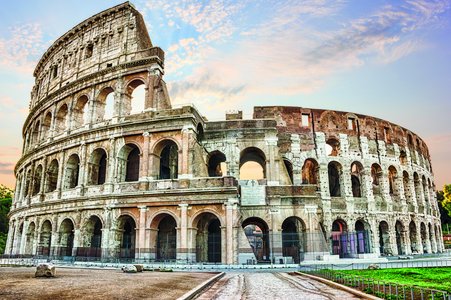
- Rome (The Eternal City): This is the center of Western civilization, with layers of history all around. You can find a 2,000-year-old temple right next to a modern espresso bar. Be sure to see the Colosseum and the Pantheon.
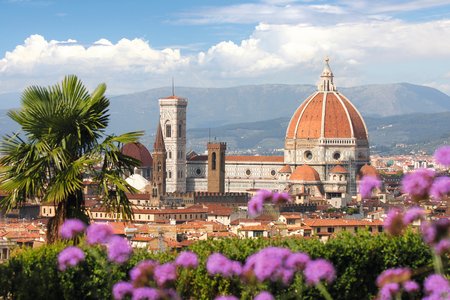
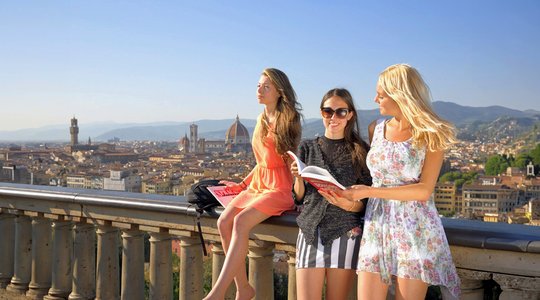
- Florence (The Cradle of the Renaissance): Florence is a city that feels like a beautiful jewelry box. It's home to Michelangelo's famous statue, David, and the iconic Duomo with its terracotta dome.
Milan & Venice: The Northern Stars
- Milan (The Modern Engine): Milan is Italy's financial and fashion capital, known for being sleek and fast-paced. It's home to the stunning Gothic Duomo and Leonardo da Vinci's The Last Supper.
Venice (The Floating Dream): Venice is a unique city built on 118 islands, with no cars - just boats and 400 bridges. The best way to experience it is to get lost in its narrow streets, called "Calli", and enjoy the atmosphere.
Pro-Tip: You can easily travel between these cities on the Frecciarossa high-speed trains. For example, you can get from Florence to Rome in just 90 minutes.
4. Gastronomy: The Art of Simplicity
Italian food is based on the Kilometro Zero (farm-to-table) philosophy: fresh, local, and seasonal. Here are five must-try regional staples:
| Dish | Region | What it is |
|---|---|---|
| Carbonara | Rome | No cream: just Pecorino Romano, eggs, guanciale (cured pork cheek) and black pepper |
| Bistecca alla Fiorentina | Tuscany | A thick-cut T-bone from Chianina cattle, grilled rare and meant for sharing |
| Pizza Napoletana | Naples | A soft, pillowy crust with San Marzano tomatoes and buffalo mozzarella, protected by law |
| Risotto alla Milanese | Milan | A creamy, saffron-gold rice dish, often served with ossobuco |
| Arancini | Sicily | Deep-fried rice balls with ragù, mozzarella or peas, the ultimate street food |
Pro-Tips:
- Coffee Rules: In Italy, milk-based coffees like Cappuccinos are typically only drunk in the morning. If you order one after 11:00 AM, it's a clear sign you're a tourist.
- The Coperto: You might notice a small charge, usually $2 - $4, on your bill called "Coperto." This is a standard fee that covers the bread and table service, and you're not expected to leave a tip.
- Water Standards: There's no need to buy bottled water in Rome. Just look for the "Nasoni" - old public fountains that provide free, ice-cold, and drinkable spring water.
5. The Fairytale Route: Lakes and Coasts
Italy's natural beauty is diverse, ranging from jagged limestone cliffs to glacial lakes.
The Amalfi Coast: The Vertical Landscape
Towns like Positano and Ravello cling to cliffs that drop straight into the Mediterranean. The "Path of the Gods" hike offers views that make you feel like you're walking between the sea and the sky.
The Dolomites: The Pale Mountains
In the far north, these jagged peaks turn pink at sunset (a phenomenon called Enrosadira). It's a paradise for hikers in the summer and skiers in the winter, blending Italian culture with Austrian charm.
Lake Como: The Aristocratic Retreat
Surrounded by snow-capped mountains and elegant 17th-century villas, Como is the height of Italian glamour. Take a public ferry between Bellagio and Varenna for the best views of the lakeside gardens.
Cinque Terre: The Rainbow Villages
Located on the rugged Ligurian coast, these five centuries-old fishing villages are famous for their colorful houses stacked steeply above the sea. Since cars are restricted, the best way to experience them is by hiking the Sentiero Azzurro (Blue Trail) or taking the local train that tunnels through the cliffs. Each village has its own personality, from the tiny harbor of Vernazza to the sunset views in Riomaggiore.
Capri & The Blue Grotto: The Island of Light
Just off the coast of Naples, Capri has been a playground for emperors and stars for millennia. The highlight is the Grotta Azzurra, a sea cave where the sunlight passes through an underwater cavity, creating a neon-blue glow that illuminates the water from below. For the best views, take the single-seat chairlift to the top of Monte Solaro to see the Faraglioni rock formations rising like giants from the sea.
6. Practical Tips for the Modern Traveler
- Validate Your Ticket: If you have a physical train or bus ticket, stamp it in the small green or yellow machines before you board. If you don't, you could get a heavy fine on the spot.
- Dress for the Church: Italian cathedrals, especially the Vatican, have a strict dress code. You need to cover your shoulders and knees, or you won't be let in.
- The Riposo: In smaller towns, many shops close from 1:00 PM to 4:00 PM for a midday break. Use this time to enjoy a long, slow lunch.
- Cash is Still Useful: While cards are widely accepted in cities, it's a good idea to carry some Euro coins for small espresso bars or local markets in the south.
Italy is a country that makes you slow down. It's not just a place to visit, it's a place to experience. Whether you're sipping wine in a Tuscan vineyard or navigating the busy streets of a Neapolitan market, you're taking part in a culture that knows how to live life to the fullest.
Summary
This Italy travel guide covers the essentials: the 20 regions from the industrial North to the sun-baked South, the big four cities (Rome and Florence for art, Milan and Venice in the north), classic regional food from carbonara to arancini, and standout landscapes like the Amalfi Coast, the Dolomites, Lake Como and Cinque Terre. Learn the local rhythms, the coffee timing, the Ferragosto shutdown, validating your ticket, and you will travel like a local. Even better, learn the language too, on an Italian course in Florence with SPRACHCAFFE.
FAQ
Rome, Florence and Venice for art and history, Milan for fashion, the Amalfi Coast and Cinque Terre for scenery, and Sicily for food and ancient sites are the classic highlights.
Spring and autumn bring pleasant weather and thinner crowds. Summer is hot and busy, especially in the cities, while winter suits culture and skiing in the north.
Cappuccino is a morning drink, rarely ordered after lunch, while espresso is taken any time, often standing at the bar. Coffee after a meal is usually a plain espresso.
A fast, well-connected rail network links the main cities, making trains the easiest way to travel. Regional trains, buses and ferries reach smaller towns and the islands.
An Italian course in Italy pairs lessons with daily life, from markets to cafes.
Related news


Get the latest on travel, languages and culture