
Studying abroad is far more than attending a university in another country, it is a life-changing experience. You immerse yourself in a new culture, improve your language skills, and gain international experience that pays off both personally and professionally. Starting life in a foreign country can be daunting, but with the right preparation your time abroad can become an unforgettable success. These are the essential tips for studying abroad, from the paperwork to the mindset.
Studying Abroad: Essential Tips

Important Documents & Visa: Be Well Prepared
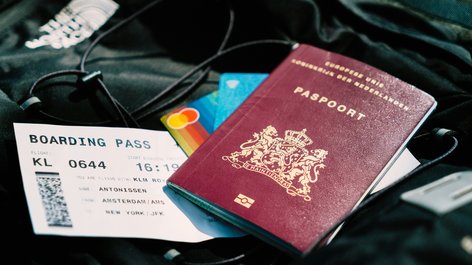
Proper preparation of your documents is essential for a smooth start to your studies abroad. Depending on your destination, you will need a valid passport, visa, university acceptance letter, proof of insurance, and sometimes financial documentation.
Make sure to check visa requirements early, as application processes can take time. It is highly recommended to keep both digital and printed copies of all important documents. This will help you avoid unnecessary stress during entry procedures, administrative processes, or university registration.
Start Your Gap Year Abroad
Build Your Network – Connections Matter
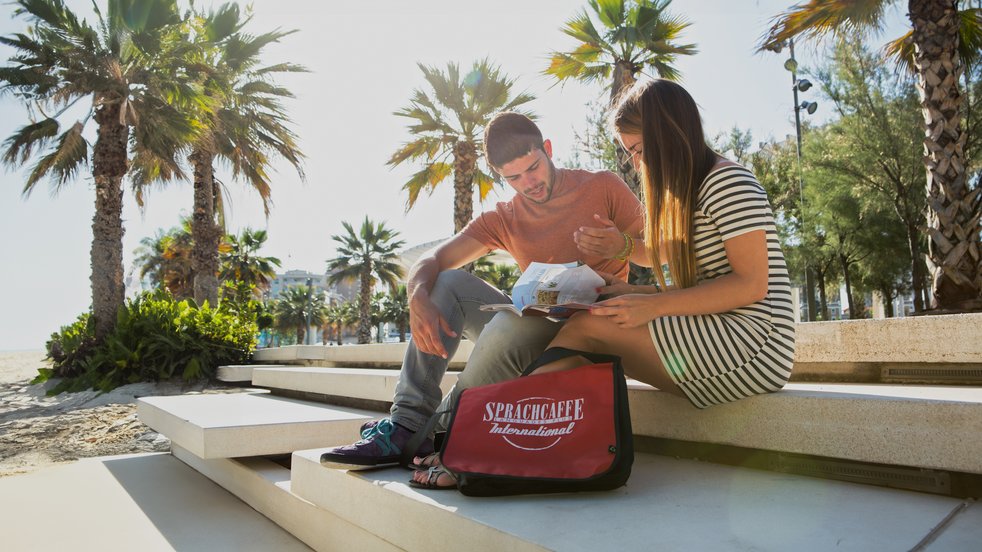
One of the greatest advantages of studying abroad is the opportunity to build an international network. Take every chance to meet new people - whether in language courses, at university, or during social events.
In the beginning, it's especially important to take initiative. Many international students are in the same situation as you, eager to connect and explore. The relationships you build can enrich your experience and even support your future career.
Improve Your Language Skills in Everyday Life

Living and studying abroad is one of the most effective ways to improve your language skills.
Try to use the local language as much as possible - when shopping, in conversations with classmates, or during daily activities.
Even if you make mistakes, you will learn quickly through practice.
Over time, your confidence will grow, your vocabulary will expand, and your communication skills will improve significantly.
Organize Your Daily Life Efficiently
A well-organized routine will help you settle in faster. Familiarize yourself with public transportation, local services, and your university's systems.
Digital tools can make your daily life much easier - from navigation and banking apps to scheduling tools. Being well-prepared allows you to focus on enjoying your new environment rather than dealing with avoidable stress.
Manage Your Finances Wisely
Studying abroad comes with new financial responsibilities. In addition to tuition fees, you'll need to budget for accommodation, food, transportation, and leisure activities.
Creating a realistic budget and keeping track of your expenses will help you stay in control. Take advantage of student discounts and local deals to make the most of your experience without financial pressure.

Immerse Yourself in the Culture
Living abroad gives you the unique opportunity to truly experience a new culture. Explore local traditions, try regional cuisine, and participate in cultural events.
The more you engage with your surroundings, the more meaningful your experience will be. Understanding cultural differences will broaden your perspective and enrich your time abroad.
Stay Flexible and Open-Minded
Things may not always go according to plan - and that's part of the experience. Stay flexible, adapt to changes, and embrace unexpected opportunities.
Some of the best memories come from spontaneous moments: a last-minute trip, a new hobby, or an unexpected friendship. Keeping an open mind will make your journey even more rewarding.
Summary

Studying abroad is one of the most valuable experiences you can give yourself: it builds intercultural skills, independence and language ability in a natural way. Prepare mentally, sort your documents and visa early, build a network, use the language every day, organise your daily life, budget sensibly, immerse yourself in the culture and stay open to the unexpected.
In the end it is not only about academic success, but about the memories, the people and the personal growth, and a language course or gap year with SPRACHCAFFE is a natural first step into it.
FAQ
Typically a valid passport, a student visa where required, university enrolment papers, proof of funds and health insurance. Requirements vary by country, so check your destination's rules early.
Expect it and give yourself time. Homesickness and disorientation are normal in the first weeks. Building a routine, meeting people and staying in light contact with home all help you settle.
Start several months ahead. Visas, accommodation and enrolment can take time, and early planning leaves room for the paperwork and the practical setup once you arrive.
Not fluently, but some basics help enormously with daily life and making friends. Many students improve fastest by taking a language course in the country itself.
A language course abroad builds both the language and the confidence you need.
Related news


Get the latest on travel, languages and culture